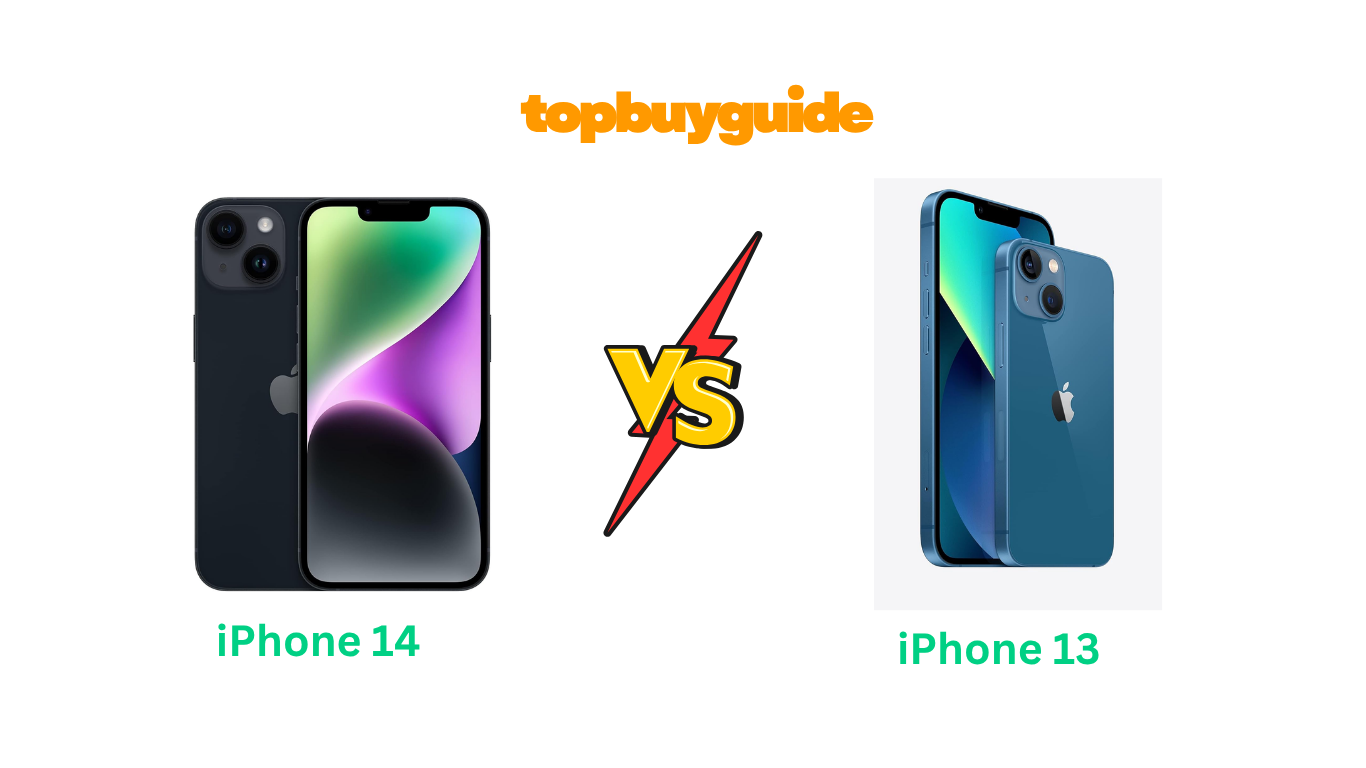
Deciding between iPhone 14 and iPhone 13 requires careful consideration. Both models share many core features and similar designs. However, the iPhone 14 edges ahead with crucial safety innovations. It introduces groundbreaking Emergency SOS via satellite and Crash Detection features. The enhanced camera system captures better low-light photos.
Plus, the upgraded 5-core GPU delivers smoother gaming performance. While the iPhone 13 costs $100 less, the iPhone 14’s life-saving features and improved capabilities make it worth the investment.
Why Do I Recommend The iPhone 14?
The iPhone 14 surpasses the iPhone 13 with several significant enhancements:
• Life-Saving Emergency SOS via Satellite: The iPhone 14 enables messaging with emergency services when cellular and WiFi are unavailable. In contrast, the iPhone 13 lacks this critical feature entirely. This technology can literally save your life in remote locations.
• Advanced Crash Detection Technology: The iPhone 14 features a dual-core accelerometer detecting up to 256Gs and a high dynamic range gyroscope. Meanwhile, the iPhone 13 doesn’t include crash detection capabilities. The iPhone 14 automatically contacts emergency services after severe accidents.
• Superior GPU Performance for Gaming: The iPhone 14 uses the A15 Bionic chip with a 5-core GPU, while the iPhone 13 has a 4-core GPU. This upgrade delivers noticeably better graphics performance. Games run smoother with higher frame rates on the iPhone 14.
• Enhanced Camera System with Photonic Engine: The iPhone 14 introduces the new Photonic Engine technology for improved low-light performance. The iPhone 13 uses older camera processing technology. Low-light photos show up to 49% better quality on the iPhone 14.
• Improved Main Camera Sensor: The iPhone 14’s main sensor features larger 1.9-micron pixels and a faster f/1.5 aperture. Conversely, the iPhone 13 has smaller pixels and an f/1.6 aperture. The iPhone 14 captures more light for better detail and reduced noise.
• Advanced Action Mode Video Stabilization: Apple introduced Action mode on the iPhone 14 for better video stabilization on the go. The iPhone 13 lacks this impressive video feature. Content creators benefit from dramatically smoother handheld video recording.
• Better Front Camera with Autofocus: The iPhone 14’s TrueDepth camera has an f/1.9 aperture and autofocus. In comparison, the iPhone 13 front camera uses an f/2.2 aperture without autofocus. Selfies appear sharper with better low-light performance on the iPhone 14.
• Increased RAM for Better Multitasking: The iPhone 14 includes 6GB of memory compared to the iPhone 13’s 4GB. This additional RAM enables smoother app switching and multitasking. Heavy users will appreciate the improved performance with multiple apps open.
Side By Side Comparison Chart iPhone 14 vs 13
| Feature | iPhone 13 | iPhone 14 |
| Processor | A15 Bionic (4-core GPU) | A15 Bionic (5-core GPU) |
| RAM | 4GB | 6GB |
| Main Camera Aperture | f/1.6 | f/1.5 |
| Main Camera Pixel Size | 1.7 microns | 1.9 microns |
| Front Camera Aperture | f/2.2 | f/1.9 |
| Front Camera Autofocus | No | Yes |
| Photonic Engine | No | Yes |
| Action Mode Video | No | Yes |
| Crash Detection | No | Yes |
| Emergency SOS Satellite | No | Yes |
| Accelerometer | Standard | Dual-core (up to 256Gs) |
| Video Playback Hours | Up to 19 hours | Up to 20 hours |
| SIM Card Tray (US) | Yes | No (eSIM only) |
| Internal Repairability | Complex | Simplified design |
| Back Glass Replacement | ~$600 | ~$150 |
| Launch Price | $799 | $799 |
| Current Price | ~$599 | ~$699 |
What Common iPhone 14 vs 13 Can Do?
Stunning Super Retina XDR OLED Display
Both the iPhone 13 and iPhone 14 feature the same 6.1-inch OLED Super Retina XDR display. This screen delivers exceptional color accuracy and deep blacks. Both displays support HDR10 and Dolby Vision for stunning content. True Tone technology adjusts white balance based on ambient lighting. Peak brightness reaches 800 nits for normal use and 1200 nits for HDR. Ceramic Shield protection guards against drops and scratches effectively.
Powerful A15 Bionic Chip Performance
The iPhone 13 and iPhone 14 both run on Apple’s A15 Bionic processor. This chip handles demanding tasks and apps with ease. Neural Engine processes 15.8 trillion operations per second on both models. Everyday performance feels snappy and responsive across both phones. Both devices support advanced computational photography features. The A15 ensures smooth iOS performance for years to come.
Dual 12MP Camera System
Both models feature dual 12MP rear camera systems with similar configurations. The ultra-wide camera maintains f/2.4 aperture on both phones. Sensor-shift optical image stabilization works on both iPhone 13 and 14. Night mode captures impressive low-light photos on both devices. Portrait mode creates beautiful depth effects with natural bokeh. Smart HDR technology balances exposure across challenging lighting conditions.
Professional 4K Video Recording
Video capabilities remain strong on both iPhone models. The iPhone 13 and iPhone 14 record stunning 4K video at 60fps. Cinematic mode creates shallow depth-of-field effects automatically. Both phones support Dolby Vision HDR video recording. Time-lapse and slow-motion modes work identically on both models. Stereo audio recording captures clear, balanced sound during video capture.
5G Connectivity and Wi-Fi 6
Both iPhone models support fast 5G cellular networks nationwide. Gigabit LTE provides excellent speeds where 5G isn’t available. Wi-Fi 6 ensures rapid wireless internet connectivity at home. Both phones include Bluetooth 5.3 for accessory connections. Ultra Wideband technology enables precise spatial awareness for both models. Download speeds reach impressive rates on both devices.
MagSafe Magnetic Charging Ecosystem
The iPhone 13 and iPhone 14 both support MagSafe technology. Magnetic alignment ensures perfect wireless charging placement every time. MagSafe charges at up to 15W on both models. Both phones work with MagSafe wallets, cases, and accessories. Qi wireless charging provides backward compatibility with older chargers. Fast wired charging reaches 50% in approximately 30 minutes.
Face ID Security System
Facial recognition works identically on both iPhone models. TrueDepth camera enables secure Face ID authentication on both phones. Both devices unlock instantly when you look at them. Apple Pay transactions authenticate securely through Face ID. The technology adapts to appearance changes like glasses or hats. Your facial data remains encrypted and never leaves the device.
IP68 Water and Dust Resistance
Both iPhones carry IP68 water resistance ratings for protection. They can withstand submersion in up to 6 meters of water. Both phones survive 30 minutes underwater at maximum depth. Dust and dirt resistance keeps internals protected during outdoor use. Accidental spills and rain won’t damage either phone. This protection provides peace of mind during daily use.
Common Features of iPhone 14 vs 13
| Feature | iPhone 13 | iPhone 14 |
| Display Size | 6.1 inches | 6.1 inches |
| Display Type | Super Retina XDR OLED | Super Retina XDR OLED |
| Display Resolution | 2532 x 1170 pixels | 2532 x 1170 pixels |
| Refresh Rate | 60Hz | 60Hz |
| Peak Brightness | 1200 nits (HDR) | 1200 nits (HDR) |
| Processor | A15 Bionic | A15 Bionic |
| Ultra Wide Camera | 12MP, f/2.4 | 12MP, f/2.4 |
| Optical Image Stabilization | Yes (sensor-shift) | Yes (sensor-shift) |
| Night Mode | Yes | Yes |
| Cinematic Mode | Yes | Yes |
| 4K Video Recording | Up to 60fps | Up to 60fps |
| Dolby Vision HDR | Yes | Yes |
| Face ID | Yes | Yes |
| 5G Support | Yes | Yes |
| Wi-Fi | Wi-Fi 6 | Wi-Fi 6 |
| Bluetooth | 5.3 | 5.3 |
| MagSafe | Yes (15W) | Yes (15W) |
| Fast Charging | Yes (20W+) | Yes (20W+) |
| Water Resistance | IP68 (6m, 30min) | IP68 (6m, 30min) |
| Ceramic Shield | Yes | Yes |
| Storage Options | 128GB, 256GB, 512GB | 128GB, 256GB, 512GB |
A Detailed Comparison Of the iPhone 14 vs 13
Processor and Graphics Performance
Both phones use the A15 Bionic chipset, but the iPhone 14 features a 5-core GPU while the iPhone 13 has a quad-core GPU. The CPU performance remains identical between both models. Both handle everyday tasks like browsing and email effortlessly. Apps launch quickly without noticeable lag on either device.
The graphics upgrade makes a real difference for gaming enthusiasts. The extra GPU core in the iPhone 14 boosts frame rates noticeably. Demanding games run smoother with better visual effects enabled. The iPhone 14 handles intensive 3D graphics more efficiently. Battery efficiency also improves slightly with the enhanced GPU architecture.
Main Camera Sensor and Image Quality
The iPhone 14’s main sensor is much larger with 1.9-micron pixels and a faster f/1.5 aperture. This hardware upgrade captures significantly more light in challenging conditions. Sensor-shift stabilization works on both phones for steadier shots. The iPhone 13 uses an f/1.6 aperture with 1.7-micron pixels.
Photo quality differences are slight in good lighting, but more noticeable in low light. The iPhone 14 produces better detail and more accurate colors. Night mode exposures complete twice as fast on the iPhone 14. Both cameras capture excellent photos, but the iPhone 14 has the edge. Professional photographers will appreciate the iPhone 14’s improved dynamic range.
Photonic Engine and Low-Light Photography
Apple introduced the new Photonic Engine technology in the iPhone 14 series. This computational photography feature improves low-light performance across all cameras. The Photonic Engine processes images at an earlier stage for better detail. Up to 49% improvement in low-light photo quality results from this technology.
The iPhone 13 uses the earlier Deep Fusion processing system. While Deep Fusion works well, it can’t match the Photonic Engine’s capabilities. Indoor and evening photos show more visible improvement on the iPhone 14. Texture and detail appear sharper with less noise in dim lighting. The difference becomes particularly apparent when shooting inside restaurants or at night.
Front-Facing Camera Improvements
The iPhone 14’s TrueDepth camera has an f/1.9 aperture that helps in low light. Additionally, autofocus debuts on an iPhone front camera for the first time. Selfies maintain sharp focus even at varying distances from the phone. Group selfies benefit from the improved depth of field.
In contrast, the iPhone 13 makes do with an f/2.2 aperture without autofocus. The smaller aperture lets in less light for selfies. Fixed focus means sharpness depends entirely on your distance from the camera. Video calls and selfies appear noticeably better on the iPhone 14. Low-light selfies show dramatic improvement with the wider aperture.
Action Mode Video Stabilization
Apple introduced Action mode that adds better stabilization to videos taken on the go. This feature uses advanced software and sensor cropping for smooth footage. Walking, running, or biking videos look incredibly steady without a gimbal. The stabilization adapts to different motion types automatically.
The iPhone 13 offers standard video stabilization that works reasonably well. However, it can’t match Action mode’s sophisticated stabilization algorithms. Handheld video shows noticeable shake on the iPhone 13 during movement. Content creators filming active scenes will love Action mode’s results. The difference in stabilization quality is impressive and immediately noticeable.
Emergency SOS via Satellite Technology
The iPhone 14 lets users contact emergency services via text when outside cellular and Wi-Fi coverage. Custom components connect directly to satellites orbiting overhead. The phone shows exactly where to point for satellite connection. With clear sky view, messages send in less than 15 seconds.
The iPhone 13 completely lacks any satellite communication capability. If you’re outside cellular coverage, you cannot contact anyone for help. Real-world rescues demonstrate this feature’s life-saving potential. Hikers, campers, and rural travelers gain critical safety protection. Two years of free service comes included with iPhone 14 purchase.
Crash Detection Safety Feature
The iPhone 14 includes a dual-core accelerometer detecting g-forces up to 256Gs. A high dynamic range gyroscope works alongside the accelerometer. The barometer detects cabin pressure changes during severe impacts. GPS tracks sudden speed changes while microphones listen for crash sounds.
The iPhone 13 lacks dedicated crash detection hardware and software. It cannot automatically detect accidents or contact emergency services. Apple trained motion algorithms with over a million hours of crash data. The iPhone 14 automatically dials emergency services when you’re unresponsive. This feature can save lives when drivers are unconscious or trapped.
Memory and Multitasking Capability
The iPhone 14 includes 6GB of memory while the iPhone 13 has 4GB. This 50% RAM increase enables better multitasking performance overall. More apps can remain active in memory simultaneously. Background app refreshes happen more frequently on the iPhone 14.
Heavy multitaskers notice smoother performance with many apps open. The iPhone 13’s 4GB RAM proves adequate for most casual users. However, power users benefit from the iPhone 14’s additional memory. Safari tabs reload less frequently on the iPhone 14. Gaming while streaming music performs better with more available RAM.
Battery Life and Power Efficiency
Both phones offer excellent all-day battery life for typical usage. Apple claims an additional hour of video playback on the iPhone 14. The iPhone 14 reaches up to 20 hours of video playback. The iPhone 13 delivers up to 19 hours of video playback.
Real-world battery life feels similar between both models. The iPhone 14’s 5-core GPU uses power more efficiently. Both phones easily last through full days of moderate use. Heavy users might drain either phone before bedtime. Fast charging and MagSafe charging work identically on both phones.
Design and Repairability Changes
The iPhone 13 and iPhone 14 share the same design, though subtle differences exist. The iPhone 14 has no SIM card tray in the U.S., using eSIM technology exclusively. Color options differ slightly between the two models. Both phones measure 5.78 inches tall and 2.82 inches wide.
The iPhone 14 features a completely rearranged internal design that’s far easier to repair. Back glass replacement costs approximately $150 versus $600 on the iPhone 13. Battery and screen replacements also become simpler and cheaper. This improved repairability saves money over the phone’s lifespan. The internal redesign represents a significant but invisible improvement.
Conclusion
The iPhone 14 stands as the smarter investment for most buyers. Emergency SOS via satellite and Crash Detection provide potentially life-saving safety features. The enhanced camera system with Photonic Engine delivers noticeably better low-light photos. The 5-core GPU provides 25% better graphics performance for gaming. Action mode stabilization creates professional-quality handheld videos effortlessly. While the iPhone 13 saves you $100 initially, the iPhone 14’s safety innovations alone justify the price difference. Don’t compromise on features that could save your life.
FAQs
Q: Is the iPhone 14 camera significantly better than iPhone 13?
The iPhone 14 features a larger main sensor with 1.9-micron pixels and f/1.5 aperture compared to the iPhone 13’s f/1.6. The Photonic Engine improves low-light performance by up to 49%. Front camera gains autofocus for sharper selfies. Action mode delivers dramatically better video stabilization. Photo quality shows noticeable improvement in challenging lighting conditions.
Q: Does iPhone 14 have better battery life than iPhone 13?
Battery life is very similar between both models overall. The iPhone 14 provides up to 20 hours of video playback. The iPhone 13 reaches up to 19 hours of video playback. Real-world usage shows minimal difference for most users. The improved GPU efficiency helps the iPhone 14 maintain all-day performance. Both phones support identical fast charging and MagSafe speeds.
Q: Can iPhone 13 users access Emergency SOS via satellite?
No, Emergency SOS via satellite works exclusively on iPhone 14 and newer models. The iPhone 13 lacks the necessary satellite connectivity hardware. This feature requires custom components integrated throughout the iPhone 14. iPhone 13 users cannot upgrade to gain satellite capability through software. Only iPhone 14 and later models support this life-saving technology.
Q: Is Crash Detection available on iPhone 13?
Crash Detection is exclusive to iPhone 14 and later models. The iPhone 13 lacks the specialized sensors required for crash detection. iPhone 14 features a dual-core accelerometer and high-range gyroscope specifically for detecting crashes. The feature also uses barometer, GPS, and microphone data. iPhone 13 owners cannot add this safety feature through updates.
Q: How much faster is iPhone 14 GPU than iPhone 13?
The iPhone 14 has a 5-core GPU while the iPhone 13 uses a 4-core GPU. This translates to approximately 20-25% better graphics performance. Gaming frame rates improve noticeably on the iPhone 14. Graphics-intensive apps and games run smoother with better visual effects. The GPU upgrade makes the most difference for mobile gamers.
Q: Are iPhone 13 and iPhone 14 the same size?
Yes, both phones have identical external dimensions at 5.78 x 2.82 inches. They both feature 6.1-inch displays with the same resolution. Weight differs only slightly between the two models. The design language remains virtually unchanged between both phones. However, iPhone 14 cases won’t fit iPhone 13 perfectly due to minor variations.
Q: Is iPhone 14 easier to repair than iPhone 13?
The iPhone 14 features a completely rearranged internal design that makes repairs far easier. Back glass replacement costs approximately $150 versus $600 on iPhone 13. Battery and screen replacements also become simpler and more affordable. The improved repairability significantly reduces long-term ownership costs. This internal redesign represents a major practical improvement.
Q: Should I buy iPhone 13 to save $100 or get iPhone 14?
The iPhone 14’s upgrades over iPhone 13 include 6GB memory, Crash Detection, and Emergency SOS via satellite. These safety features alone could justify the $100 difference. Better camera performance and improved GPU also add value. If you prioritize safety and longevity, choose the iPhone 14. Budget-conscious users comfortable without safety features can choose iPhone 13.

Alex Turner is a dedicated product researcher and reviewer at TopBuyGuide.com, known for his clear, honest, and data-driven insights. He spends countless hours testing, comparing, and analyzing products to help readers make confident and informed buying decisions.