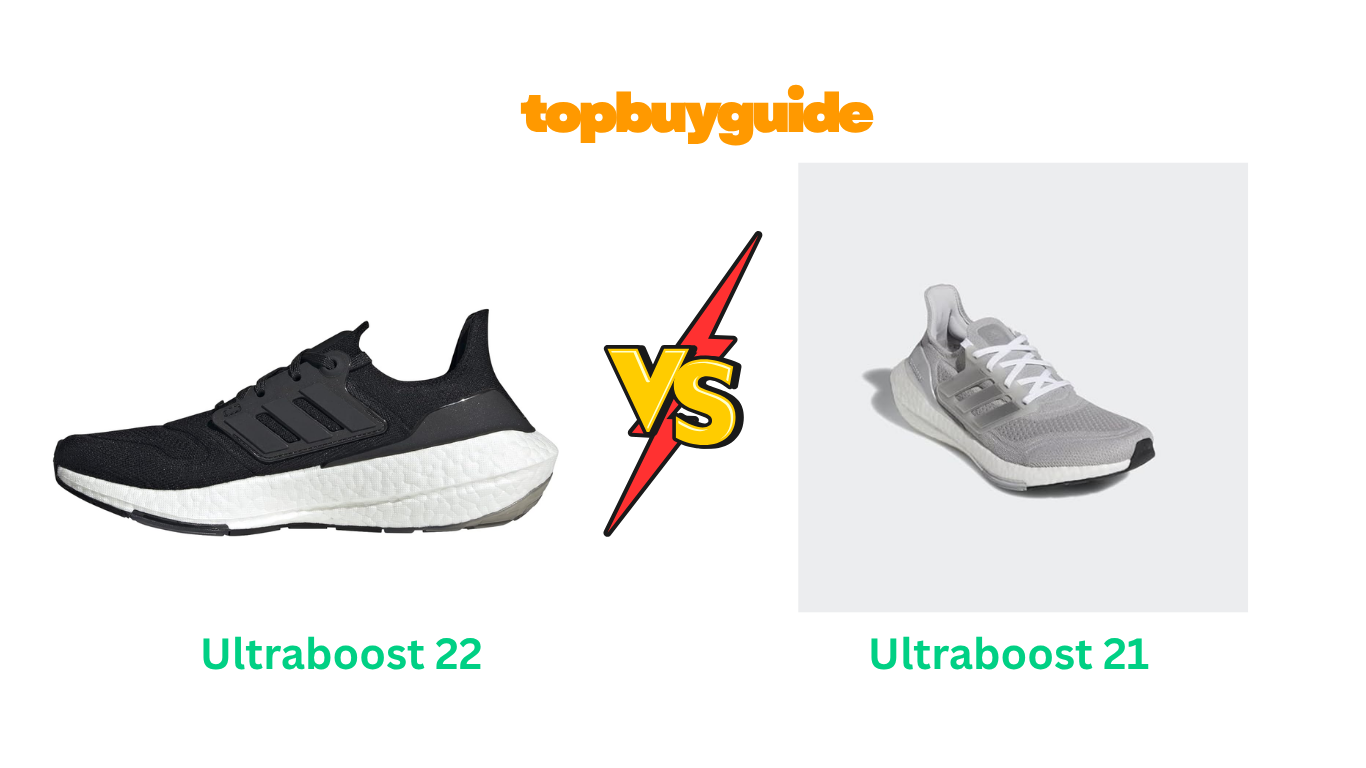
Choosing between the Ultraboost 22 and 21 can feel overwhelming. Both offer Adidas’ signature Boost cushioning and premium comfort. However, I recommend the Ultraboost 22 for most runners. It delivers a softer, more comfortable ride with better heel lockdown. The 22 also weighs less than the 21, making longer runs more enjoyable without sacrificing the stability you need.
Why Do I Recommend The Ultraboost 22?
The Ultraboost 22 outshines its predecessor in several crucial ways that matter for your daily training runs:
• Softer and More Comfortable Cushioning: While both shoes share the same midsole and outsole, the 22 features a redesigned strobel lining with large oval cutouts in the heel and forefoot. This allows the Boost foam to expand more, creating a plusher feel underfoot. In contrast, the 21 has a thick lattice lasting that makes the ride noticeably firmer and less forgiving.
• Lighter Weight for Better Performance: The Ultraboost 22 weighs 333g for men’s size 9, which is 7g lighter than the 21’s 340g. The women’s version shows even more improvement, shedding almost a full ounce. This weight reduction makes the 22 feel less sluggish during longer runs compared to the 21.
• Improved Heel Lockdown: The 22 addresses one of the biggest complaints about the 21—heel slippage. With a more secure heel fit, your foot stays planted during runs. The 21’s loose heel limited it to straight-line running only.
• Better Upper Comfort: The Ultraboost 22’s Primeknit+ upper doesn’t feel as tight or constrictive as the 21. It provides support without creating pressure points. The redesigned lacing system also prevents the uncomfortable tightness runners experienced with the 21.
• Enhanced Female-Specific Design: The women’s Ultraboost 22 was designed by an all-female team using scans from 1.2 million women’s feet. It features a narrower heel, lower instep, and S-curve heel for better Achilles movement. The 21 used a unisex design that didn’t account for these differences.
• More Energy Efficient: Adidas claims the 22 is 4% more efficient underfoot than the 21 for female runners. This comes from the improved fit and upper design working together with the midsole.
• Redesigned Midfoot Cage: The 22’s plastic midfoot cage is less intrusive and more comfortable. The bottom laces attach through smaller material loops, preventing the uncomfortable top-of-foot tightness many experienced with the 21.
• Better Value for Recovery Runs: While both are expensive, the 22’s softer ride makes it more suitable as a max-cushioned recovery trainer. The 21’s firmness made it feel less like the plush recovery shoe runners expected from the Ultraboost line.
Side By Side Comparison Chart: Ultraboost 22 vs 21
| Feature | Ultraboost 22 | Ultraboost 21 |
| Weight (Men’s US 9) | 333g (11.8 oz) | 340g (12 oz) |
| Weight (Women’s US 8) | 286g (10.1 oz) | 297g (10.5 oz) |
| Cushioning Feel | Softer, more plush | Firmer, less squishy |
| Strobel Lining | Thin with large oval cutouts | Thick lattice with small cutouts |
| Heel Lockdown | Improved, more secure | Loose, prone to slippage |
| Upper Design | Less constrictive, breathable | Tight, can feel restrictive |
| Women’s Specific Design | Yes, designed by female team | No, unisex design |
| Midfoot Cage | Redesigned, more comfortable | Standard plastic cage |
| Extra Outsole Support (Women’s) | Yes, medial side lugs | No extra lugs |
| Price | $190 | $180 |
| Best For | Recovery runs, easy days | Easy runs, straight-line running |
| Ride Character | Soft and comfortable | Firm and stable |
What Common Features Can Ultraboost 22 vs 21 Shoes Do?
Boost Midsole Technology
Both the Ultraboost 22 and 21 utilize Adidas’ signature Boost midsole foam. This thermoplastic polyurethane (TPU) foam consists of thousands of energy capsules. The material provides excellent energy return and maintains cushioning consistency regardless of temperature. Unlike traditional EVA foam, Boost doesn’t become hard in cold weather or overly soft in heat. Both shoes feature approximately 6% more Boost than previous versions. This creates a high-stack, maximum cushioned platform perfect for absorbing impact on long runs.
Linear Energy Push (LEP) System
The LEP torsion system appears in both models, running from the midfoot through the heel. This tuning fork-shaped plastic insert adds 15% more torsional rigidity to the forefoot. The system prevents excessive midsole compression during toe-off, creating a snappier feel. Both shoes benefit from this technology, making transitions smoother. The LEP helps center your weight and produces more efficient forward propulsion compared to earlier Ultraboost models without this feature.
Continental Rubber Outsole
Adidas equipped both the 22 and 21 with Continental rubber on the outsole. This is the same rubber used in car tires, providing exceptional durability and grip. The outsole features crystal rubber sections that are heavier but more durable. Both models include Stretchweb technology that flexes naturally with your foot. The traction performs excellently on wet and dry surfaces. Runners report confident footing even on slippery pavements and leaf-covered paths.
10mm Heel-to-Toe Drop
Both shoes maintain a 10mm drop with similar stack heights. The Ultraboost 22 has a 33mm heel and 23mm forefoot stack. The 21 features a 30.5mm heel and 20.5mm forefoot configuration. This drop height works well for heel strikers and midfoot strikers alike. The elevated heel and pronounced rocker geometry help create smooth heel-to-toe transitions. Both models feel natural for runners accustomed to traditional drop heights.
Sock-Like Knit Upper
The Ultraboost 22 and 21 both feature stretchy Primeknit uppers that wrap around your foot. These bootie-construction uppers create a secure, sock-like fit. Both use recycled materials, with the 21 incorporating 75% Primeblue yarn from ocean plastic. The 22 continues this sustainability focus with 50% recycled polyester in certain zones. The knit construction molds to various foot shapes. However, neither offers wide-width options for runners needing extra room.
Plastic Lace Cage System
Both models include a plastic cage that integrates with the lacing system. This cage provides lateral support and midfoot stability without adding excessive weight. The cage connects to the “three stripes” branding on the sides. While it helps lock down the fit, some runners find the limited eyelet options restrictive. Neither shoe allows for customized lacing patterns like runner’s loop or alternative techniques.
Maximum Cushioning Platform
The 22 and 21 are both positioned as maximum cushioned daily trainers. They’re designed for easy runs, recovery sessions, and long slow distances. Neither shoe excels at fast-paced workouts due to their substantial weight. Both provide excellent impact protection for heavier runners or those recovering from injury. The thick cushioning reduces stress on joints, knees, and ankles during extended training sessions.
Stability Features
Both models offer surprising stability despite their high stack heights. The wide midsole base creates a stable platform that resists excessive lean. The heel design cups your foot with raised sidewalls that prevent rolling. Both shoes include a beveled heel that creates smooth ground contact. The LEP system adds midfoot rigidity that enhances stability during transitions. Runners report feeling secure even on uneven surfaces.
Common Features of Ultraboost 22 vs 21
| Feature | Ultraboost 22 | Ultraboost 21 |
| Midsole Foam | Boost TPU | Boost TPU |
| LEP Torsion System | Yes | Yes |
| Outsole Material | Continental Rubber | Continental Rubber |
| Heel-to-Toe Drop | 10mm | 10mm |
| Stack Height (Heel) | 33mm | 30.5mm |
| Stack Height (Forefoot) | 23mm | 20.5mm |
| Upper Construction | Primeknit Bootie | Primeknit Bootie |
| Recycled Materials | 50% in upper | 75% Primeblue |
| Lace Cage | Plastic cage system | Plastic cage system |
| Width Options | Standard only | Standard only |
| Cushioning Level | Maximum | Maximum |
| Stability Features | High | High |
| Best Use | Easy/recovery runs | Easy/recovery runs |
A Detailed Comparison Of the Ultraboost 22 vs 21
Ride Quality and Cushioning Feel
The Ultraboost 22 delivers a noticeably softer and more cushioned ride than the 21. This difference comes from the redesigned strobel lasting underneath the insole. The 22 uses a thin lasting with large oval cutouts in the heel and forefoot areas. These cutouts allow the Boost foam to expand more freely under your weight, creating that plush, squishy feeling runners love.
The Ultraboost 21, in contrast, features a thick lattice lasting with small rectangular cutouts throughout. This design restricts how much the Boost can compress, resulting in a firmer, less forgiving ride. Many reviewers noted that the 21 felt surprisingly firm for a maximum cushioned shoe. The firmness improved stability but sacrificed the comfort that made earlier Ultraboost versions popular.
Weight and Running Performance
Weight represents one of the most significant differences between these models. The Ultraboost 22 weighs 333g for men’s size 9, making it 7g lighter than the 21’s 340g. While 7 grams might seem minimal, runners consistently reported feeling the difference during longer runs. The women’s version shows an even more dramatic improvement, with the 22 nearly a full ounce lighter.
The Ultraboost 21’s weight drew heavy criticism from reviewers who called it one of the heaviest road shoes available. At over 12 ounces, many runners found it felt sluggish and tiring on runs exceeding 10 miles. The weight creates unwanted inertia that makes picking up pace difficult. The 22’s lighter construction makes it more enjoyable for extended training sessions, though it still remains heavier than most competing max-cushioned trainers.
Heel Fit and Lockdown
The Ultraboost 22 significantly improves heel lockdown compared to the 21’s notorious slippage issues. Runners complained that the 21’s heel never felt secure, even when laced tightly. This loose fit limited the shoe to straight-line running at relaxed paces. Any direction changes or pace increases caused noticeable heel movement.
The 22 addresses this problem with a more structured heel counter and improved fit around the Achilles. The women’s version specifically features a narrower heel cup and lower instep height based on female foot scans. While not perfect, the 22’s heel stays more planted during runs. This improved lockdown expands the shoe’s versatility and makes it suitable for varied terrain and pace changes.
Upper Comfort and Breathability
The Ultraboost 22’s upper represents a major comfort upgrade over the 21. The Primeknit+ material provides support without the constrictive tightness runners experienced with the 21. Many runners reported that the 21 felt uncomfortably tight across the top of the foot, especially when standing still. This tightness made the shoe less suitable for casual wear.
The 22’s upper breathes better and allows more natural foot movement during runs. The redesigned lacing system attaches through smaller material loops at the bottom eyelets. This prevents excessive pressure on the foot’s top. The 22 maintains the sock-like feel without sacrificing comfort. Runners can wear these shoes comfortably at the gym, walking the dog, or during casual activities.
Women’s-Specific Design Features
The Ultraboost 22 stands out as the first in the series designed specifically for women. Adidas assembled an all-female design team and analyzed scans from 1.2 million women’s feet. This research led to several key changes: a narrower heel, lower instep height, and S-curve heel shape that accommodates the Achilles tendon better.
The Ultraboost 21 used a unisex design that simply scaled down for women’s sizes. This approach doesn’t account for the anatomical differences between male and female feet. Women often have relatively narrower heels and different arch shapes. The 22’s women-specific construction reduces heel slippage and blisters. The women’s 22 also includes extra medial-side lugs on the outsole for added stability, addressing the fact that women typically pronate more than men.
Midfoot Cage Design
The Ultraboost 22 features a redesigned midfoot cage that’s less intrusive and more comfortable. The plastic cage still provides lateral support but integrates better with the upper. The lacing system attaches through two smaller material loops at the bottom, allowing better lace movement as your foot flexes.
The 21’s midfoot cage received complaints for creating discomfort and restricting customization. The standard cage design from the 21 doesn’t accommodate different lacing techniques well. Both shoes only offer four eyelets, limiting adjustability. However, the 22’s larger top eyelet gives laces more freedom to move, reducing pressure points during foot flexion.
Toe Box Fit and Volume
Both shoes feature relatively low-volume toe boxes, but the 22 handles this better. The 22’s stretchier Primeknit+ accommodates toe splay more effectively during the gait cycle. Some runners still find the toe box shallow, especially those with wider forefeet or bunions.
The 21’s toe box feels even more restrictive and shallow. Several reviewers noted being able to see their big toe pressing through the top of the upper. The 21’s material doesn’t stretch as generously, creating hot spots where seams meet socks. Neither shoe comes in wide widths, limiting options for runners with broader feet.
Durability and Longevity
Both models showcase impressive durability that justifies their premium pricing. The Boost midsole maintains cushioning properties far longer than traditional EVA foams. Runners have reported logging over 3,300 kilometers on Ultraboost models while the midsole remains intact. The foam resists compression and doesn’t deteriorate with age.
The Continental rubber outsole on both provides exceptional wear resistance. The crystal rubber sections handle high-mileage training without showing significant wear. The 21 has slightly more crystal rubber coverage, making it marginally more durable. However, both shoes easily last 500+ miles when used primarily for easy and recovery runs. The durable construction makes them worthwhile investments despite the high initial cost.
Energy Return and Responsiveness
The Ultraboost 22 claims 4% more energy return than the 21 for female runners. This improvement comes from the optimized fit and reduced energy loss during foot strike. The softer Boost core in the 22 compresses more naturally under load, storing and releasing energy more efficiently.
The 21’s firmer Boost feels less responsive and more dead underfoot. While Adidas marketed the firmer foam as “20% more responsive,” most runners disagreed. The firmness makes the shoe feel sluggish and energy-sapping on longer runs. Neither shoe matches the snappy responsiveness of modern PEBA-based foams like Nike ZoomX or Adidas Lightstrike Pro. However, the 22 feels livelier than the 21 for daily training use.
Price and Value Proposition
The Ultraboost 22 costs $190, which is $10 more than the 21’s $180 price tag. This premium pricing positions both shoes at the top of the daily trainer market. Many runners question whether the performance justifies the cost, especially when lighter, more versatile options cost significantly less.
The 22 delivers better value despite the higher price. The improved ride quality, lighter weight, and better fit make it more enjoyable for daily use. The 21’s limitations—firm ride, loose heel, heavy weight—make it harder to recommend at $180. For the extra $10, the 22 provides meaningful upgrades that enhance the training experience. Both shoes’ exceptional durability helps offset the high initial investment over their long lifespan.
Conclusion
The Ultraboost 22 emerges as the clear winner for most runners seeking a maximum-cushioned daily trainer. Its softer ride, improved heel lockdown, and lighter weight make it more enjoyable for recovery runs and easy-day miles. The women-specific design shows Adidas listening to female runners’ needs. While the $190 price is steep, the 22’s comfort and durability justify the investment. The Ultraboost 21 remains a viable option if you find it discounted, but the 22’s upgrades are worth the extra cost for serious training.
FAQs
Q: Is the Ultraboost 22 worth the extra $10 over the 21?
Yes, the Ultraboost 22 justifies the additional cost. You get a softer, more comfortable ride with better heel lockdown and reduced weight. The improved upper doesn’t feel as tight or restrictive. The women’s version benefits from female-specific design features. These meaningful upgrades enhance your daily training experience compared to the 21.
Q: Which shoe is better for long-distance running?
The Ultraboost 22 performs better for long distances. Its softer cushioning and lighter weight reduce fatigue during extended runs. The improved heel fit prevents blisters on 15+ mile efforts. The 22 feels more like a true max-cushioned trainer. The 21’s firmness and extra weight become noticeable liabilities after 10 miles of running.
Q: Can I use these shoes for speed workouts or racing?
Neither shoe excels at faster paces due to their weight. Both work best for easy runs at 9-10 minute mile pace or slower. The 22 handles moderate tempo efforts better than the 21. However, you’ll want a lighter, more responsive shoe for interval workouts or race day. Consider these recovery and easy-day trainers only.
Q: Do these shoes run true to size?
Both models fit true to size for most runners. However, the low-volume toe box may feel snug if you have wider feet or high-volume toes. Some runners size up half a size for better comfort. The stretchy Primeknit accommodates various foot shapes. Try them on if possible, as neither offers wide-width options.
Q: How does the cushioning compare to Nike or Hoka shoes?
The Boost cushioning feels firmer than Nike ZoomX in the Invincible Run or Hoka’s soft foams. The 22 is softer than the 21 but still not pillowy soft. Boost excels at durability and temperature consistency. If you want maximum softness, consider Nike Invincible or Hoka Bondi instead. Choose Ultraboost for stable, durable cushioning.
Q: Are these good for heavier runners or beginners?
Yes, both shoes work well for heavier runners and beginners. The maximum cushioning protects joints from impact stress. The stable platform prevents excessive rolling. The durable construction withstands high-mileage training. The 22’s softer ride makes it more comfortable for longer sessions. Both provide excellent protection for runners returning from injury.
Q: How long do these shoes typically last?
Ultraboost shoes are exceptionally durable. Many runners report 500-800 miles before needing replacement. Some have exceeded 2,000 miles with the midsole still intact. The Continental rubber outsole resists wear excellently. The Boost foam doesn’t compress or deteriorate like traditional EVA. Expect these shoes to outlast most daily trainers significantly.
Q: Can I wear these casually or just for running?
Both shoes work great as lifestyle sneakers. The Ultraboost line has strong street credibility and looks good with jeans or athleisure wear. The 22’s more comfortable upper makes it better for all-day casual wear. The 21’s tight fit limits comfort when standing still. Both offer versatility as gym shoes, walking shoes, or everyday comfortable footwear.

Alex Turner is a dedicated product researcher and reviewer at TopBuyGuide.com, known for his clear, honest, and data-driven insights. He spends countless hours testing, comparing, and analyzing products to help readers make confident and informed buying decisions.