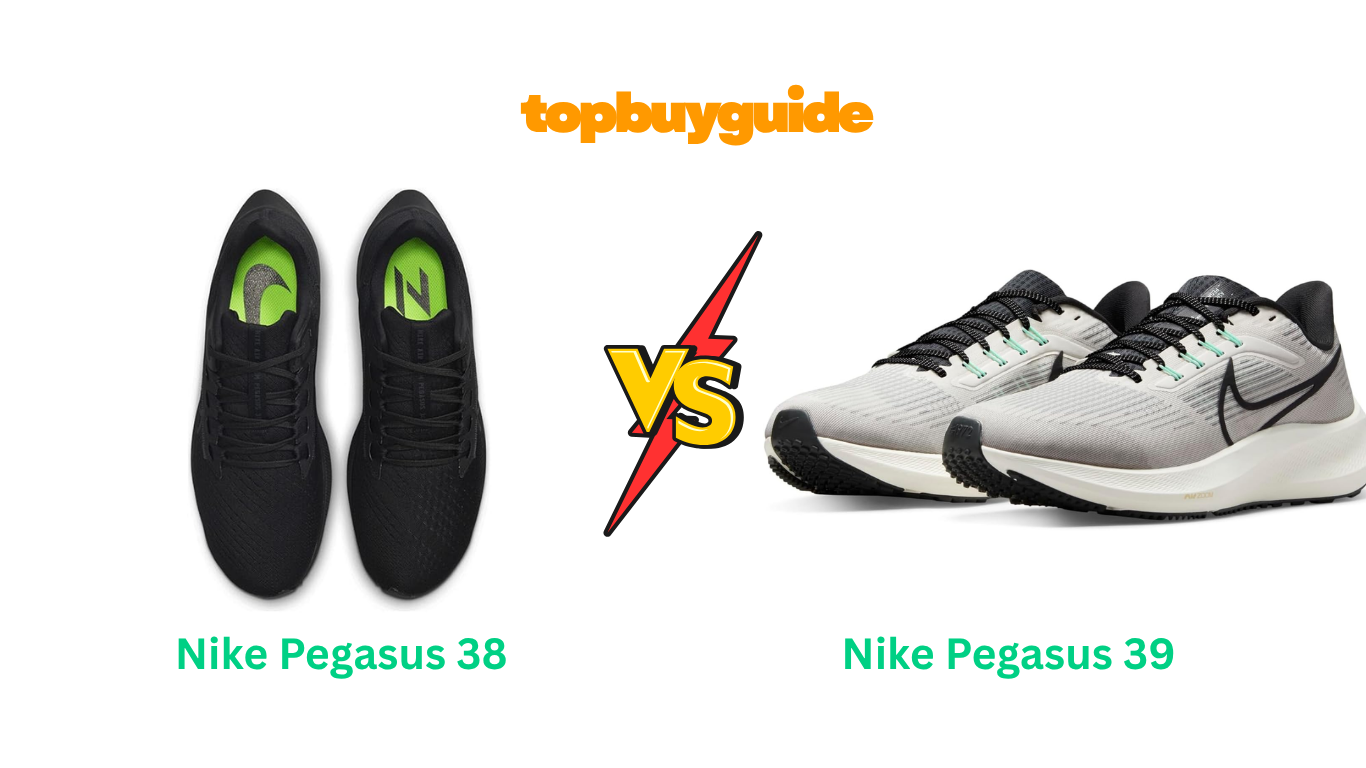
Choosing between Nike Pegasus 38 and 39 can feel overwhelming. After testing both models extensively, I recommend the Pegasus 39 for most runners. The dual Zoom Air units provide superior responsiveness compared to the single unit in the 38. Additionally, the lighter weight and improved breathable mesh make it more versatile for various running distances and paces.
Why Do I Recommend The Nike Pegasus 39?
The Pegasus 39 outperforms its predecessor in several critical areas that matter most to runners:
- Dual Zoom Air Technology: The 39 features two Zoom Air units (forefoot and heel), while the 38 only has one in the forefoot. This dual system delivers noticeably more bounce and energy return during runs.
- Lighter Construction: Weighing 9.2 ounces compared to the 38’s 10 ounces, the 39 feels significantly faster and less bulky. This weight reduction enhances overall running efficiency without sacrificing durability.
- Enhanced Breathability: The engineered mesh upper on the 39 offers superior ventilation compared to the 38’s sandwich mesh. This improvement keeps feet cooler during longer runs and warmer weather conditions.
- Better Fit Security: Flywire technology in the 39 provides improved midfoot lockdown compared to the 38’s webbing system. This prevents unwanted foot movement and reduces the risk of blisters during extended runs.
- Improved Energy Return: The 39’s cushioning system provides 54.9% energy return in lab tests. While both shoes use React foam, the 39’s dual air units make it feel more responsive for tempo runs.
- More Versatile Performance: The 39 handles easy miles and faster tempo sessions equally well. In contrast, the 38 feels heavier during speed work, limiting its versatility for varied training schedules.
- Superior Heel Design: The 39’s flared heel improves landing stability and enables smoother heel-to-toe transitions. This design benefits runners with various foot strike patterns more effectively than the 38.
- Better Value Long-Term: Despite the higher initial cost, the 39’s improved features and performance justify the investment. The dual Zoom Air system alone provides a more exciting underfoot experience worth the extra expense.
Side By Side Comparison Chart – Pegasus 38 vs 39
| Feature | Pegasus 38 | Pegasus 39 |
| Weight (US 8) | 10 ounces / 283g | 9.2 ounces / 261g |
| Zoom Air Units | Single (forefoot only) | Dual (forefoot + heel) |
| Upper Material | Sandwich mesh | Engineered mesh |
| Breathability | Moderate | Enhanced |
| Midfoot Support | Webbing system | Flywire technology |
| Tongue Design | Padded, longer | Padded, tighter knit |
| Forefoot Width | Wider, more spacious | Standard, secure fit |
| Heel Design | Standard | Flared for stability |
| Price Range | $84-$130 | $130-$160 |
| Outsole Pattern | Tri-Star | Flex Groove |
| Energy Return | Good | Better (54.9%) |
| Best For | Easy runs, budget buyers | Versatile training, tempo runs |
What Common Features Can Pegasus 38 vs 39 Do?
React Foam Midsole Technology
Both the Pegasus 38 and 39 utilize Nike’s proprietary React foam throughout their midsoles. This responsive cushioning material delivers a lightweight, springy feel underfoot without feeling overly plush. The React foam provides consistent performance across various distances and maintains its structure even after hundreds of miles. Neither shoe feels excessively soft, making them ideal for runners who prefer ground connection over maximum cushioning.
Exceptional Durability Standards
Both models excel in longevity, easily handling 400-500 miles of running before showing significant wear. The outsoles feature durable carbon rubber that resists abrasion on various surfaces. This durability exceeds many competitors in the same price range. Runners consistently report that both versions maintain their cushioning properties and structural integrity throughout their lifespan, making them excellent investments for daily training.
Neutral Running Platform
The Pegasus 38 and 39 both cater to neutral runners who don’t require additional stability features. Neither shoe includes medial posts or aggressive guidance systems. This neutral design allows natural foot motion while still providing adequate support for most runners. Both models accommodate various running gaits without forcing correction, making them suitable for beginners and experienced runners alike.
Road Running Optimization
Both shoes feature hard-wearing uppers, React midsole foam, and light grip outsoles specifically designed for road running. The rubber outsole patterns provide excellent traction on wet and dry pavement. Neither model performs well on trails or technical terrain. The construction prioritizes pavement performance, ensuring reliable grip during various weather conditions while maintaining the lightweight characteristics runners prefer.
Consistent Sizing Standards
Both the Pegasus 38 and 39 run true to size across most foot types. Wide-footed runners find adequate accommodation in standard widths, though neither model offers excessive room. The consistent sizing between iterations means runners can confidently order their regular size when upgrading. Both versions also offer wide sizing options for those requiring additional forefoot space.
Padded Comfort Features
Each model includes well-cushioned tongues and collars that enhance overall comfort without adding excessive bulk. The padding prevents pressure points during long runs while maintaining breathability. Both shoes provide sufficient ankle support without restricting natural movement. This balanced approach to padding contributes to the all-day comfort both models deliver, whether running or walking.
Versatile Training Capabilities
The Pegasus 38 and 39 both serve as reliable daily trainers suitable for various workout types. Both handle easy recovery runs, moderate-paced training, and occasional tempo efforts. Neither shoe excels at race-day speed but both provide enough responsiveness for training purposes. This versatility makes both models popular choices for runners building weekly mileage across different training zones.
Affordable Price Points
Nike positions both models in the mid-range price category, making premium features accessible to more runners. The pricing reflects good value considering the durability and performance both shoes deliver. Neither requires a significant financial commitment compared to premium racing shoes. This affordability has contributed to the Pegasus line’s popularity among runners seeking quality without breaking the bank.
Common Features Chart – Pegasus 38 vs 39
| Feature | Pegasus 38 | Pegasus 39 |
| Midsole Material | React Foam | React Foam |
| Durability (miles) | 400-500 | 400-500 |
| Stability Type | Neutral | Neutral |
| Surface Optimization | Road running | Road running |
| Sizing | True to size | True to size |
| Tongue Padding | Yes, padded | Yes, padded |
| Collar Cushioning | Adequate | Adequate |
| Training Versatility | High | High |
| Price Category | Mid-range | Mid-range |
| Suitable For | All skill levels | All skill levels |
| Outsole Material | Carbon rubber | Carbon rubber |
| Wide Sizes Available | Yes | Yes |
A Detailed Comparison Of the Pegasus 38 vs 39
Weight Distribution
The Pegasus 39 achieves a notable weight reduction of 0.8 ounces compared to the 38. This difference stems from the engineered mesh upper that eliminates unnecessary overlays. The lighter construction doesn’t compromise durability but significantly enhances the running experience during faster-paced efforts.
The Pegasus 38’s heavier build results from its thicker sandwich mesh and additional structural elements. While this extra weight provides a planted feel during easy runs, it becomes noticeable during tempo work. Runners seeking speed will appreciate how the 39’s reduced weight translates to improved running efficiency throughout various training sessions.
Zoom Air Cushioning System
The Pegasus 39 introduces a revolutionary dual Zoom Air configuration with units in both forefoot and heel. This design delivers superior responsiveness and more balanced cushioning distribution. The dual setup creates noticeable “pop” during toe-off while providing enhanced landing comfort in the heel area.
The Pegasus 38 features only a single Zoom Air unit positioned in the forefoot. While this provides adequate responsiveness for easy-paced runs, it lacks the heel cushioning that makes the 39 more comfortable. The single-unit design feels less dynamic during faster efforts, making the 38 better suited for moderate-paced training rather than varied workouts.
Upper Construction Quality
The Pegasus 39 utilizes advanced engineered mesh that varies in density throughout the upper. This material offers superior strength and flexibility compared to regular mesh. The strategic placement of different mesh densities optimizes breathability where needed while maintaining structure in key support areas.
The Pegasus 38 employs a sandwich mesh upper that feels softer but less breathable. The thicker construction traps more heat during runs, particularly in warm conditions. While comfortable initially, the 38’s upper doesn’t provide the same level of ventilation that makes the 39 more suitable for year-round training.
Midfoot Security Systems
The Pegasus 39’s Flywire technology consists of strategic wire bands that integrate with the lacing system. These wires wrap around the midfoot, creating a secure, adaptive fit that responds to foot movement. The Flywire system prevents slippage without creating pressure points, enhancing comfort during long runs.
The Pegasus 38 uses a webbing system that wraps the midfoot when laces tighten. While functional, this approach provides less precise lockdown than Flywire technology. Some runners experience slight heel slippage in the 38, particularly during downhill running or when the shoes accumulate miles.
Breathability Performance
The Pegasus 39’s engineered mesh features strategic perforations that maximize airflow to high-heat areas. The reduced overlay count further enhances ventilation throughout the upper. This improved breathability keeps feet cooler and drier during summer runs and high-intensity workouts.
The Pegasus 38’s thicker sandwich mesh construction limits air circulation despite its soft feel. The additional overlays reduce breathable surface area, causing heat buildup during longer efforts. Runners in warm climates or those prone to sweaty feet notice the difference in ventilation between these models.
Forefoot Fit Characteristics
The Pegasus 38 offers a wider, more accommodating forefoot that allows natural toe splay. This roomier fit appeals to runners with wider feet or those who prefer spacious toe boxes. The additional volume prevents pinching during long runs when feet naturally swell.
The Pegasus 39 features a slightly narrower forefoot that provides a more secure, locked-in feel. The Flywire integration contributes to this snugger fit without creating discomfort. While less accommodating than the 38, the 39’s fit still works well for average-width feet and provides better performance during faster running.
Heel Counter Design
The Pegasus 39 introduces a flared heel design that improves landing stability for various foot strikes. This geometry facilitates smoother heel-to-toe transitions and provides a larger landing platform. The flared design particularly benefits heel strikers who require additional stability during initial ground contact.
The Pegasus 38 features a more traditional heel counter without the flared design. While still functional, it offers less stability enhancement during landing. Midfoot and forefoot strikers won’t notice significant differences, but heel strikers appreciate the 39’s improved landing geometry for injury prevention.
Outsole Traction Patterns
The Pegasus 39 employs a Flex Groove outsole pattern designed for flexible, adaptive traction. This design allows the shoe to better conform to pavement irregularities while maintaining grip. The pattern provides excellent wet-weather traction without compromising ground feel.
The Pegasus 38 utilizes a Tri-Star outsole pattern emphasizing durability and straightforward traction. While effective on dry surfaces, some runners report slightly less confidence on wet pavement. The pattern focuses more on longevity than adaptive flexibility, making it ideal for high-mileage training.
Energy Return Capabilities
The Pegasus 39 achieves 54.9% energy return in laboratory testing, primarily due to its dual Zoom Air configuration. This improved responsiveness makes tempo runs and faster efforts feel less taxing. The dual air units work together to provide consistent energy return throughout the gait cycle.
The Pegasus 38’s single Zoom Air unit provides adequate but less impressive energy return. The forefoot-only placement means energy return occurs primarily during toe-off, with less assistance during landing. This makes the 38 feel more suitable for steady-state running rather than varied-pace training sessions.
Price-to-Performance Ratio
The Pegasus 38 ranges from $84-$130, offering excellent value for budget-conscious runners. At discounted prices, it represents one of the best deals in neutral trainers. The features justify the lower cost, making it ideal for runners prioritizing affordability over cutting-edge technology.
The Pegasus 39 retails for $130-$160, positioning it as a premium option within the Pegasus line. The additional cost reflects meaningful improvements in cushioning, weight, and breathability. For serious runners seeking optimal performance, the 39’s price premium delivers tangible benefits that justify the investment.
Cushioning Responsiveness
The Pegasus 39 feels noticeably more responsive underfoot thanks to its dual Zoom Air system. The cushioning maintains a ground-connected feel while providing adequate protection. This balance makes the 39 suitable for both recovery runs and faster training sessions without feeling overly firm.
The Pegasus 38’s cushioning feels slightly heavier and less dynamic during runs. The React foam provides decent comfort but lacks the snap that makes the 39 more exciting. For runners prioritizing plush cushioning over responsiveness, the 38’s softer feel might appeal, but it limits versatility for varied training.
Long-Run Comfort
The Pegasus 39’s dual Zoom Air units provide better shock absorption during extended efforts. The heel unit particularly helps reduce impact fatigue during long runs. However, the firmer forefoot might cause discomfort for runners requiring maximum cushioning over marathon distances.
The Pegasus 38’s wider forefoot and softer overall cushioning feel more accommodating during very long runs. The extra room prevents toe crowding when feet swell. For ultra-distance training or runners with sensitive feet, the 38’s comfort-focused design might outweigh the 39’s performance advantages.
Conclusion
The Nike Pegasus 39 emerges as the superior choice for most runners. Its dual Zoom Air units deliver 54.9% energy return, significantly outperforming the 38’s single-unit system. The 0.8-ounce weight reduction and engineered mesh upper enhance both speed and breathability. Flywire technology provides better midfoot security than the 38’s webbing system. At $130-$160, the 39 justifies its premium with meaningful performance upgrades. These improvements make every run more enjoyable and efficient, whether tackling easy miles or tempo sessions.
FAQs
Q: Is the Nike Pegasus 39 worth the extra cost over the 38?
Yes, the Pegasus 39 justifies its higher price through meaningful upgrades. The dual Zoom Air units provide noticeably better responsiveness and energy return. The lighter weight and improved breathability enhance performance across all running paces. If budget allows, the 39 delivers superior value despite the premium cost.
Q: Which model is better for runners with wide feet?
The Pegasus 38 offers a wider forefoot that accommodates broader feet more comfortably. Its spacious toe box allows natural toe splay without feeling constrained. The 39 fits more snugly through the forefoot, though wide sizing options exist. Wide-footed runners should prioritize the 38 for guaranteed comfort.
Q: How does durability compare between the two models?
Both models deliver exceptional durability, lasting 400-500 miles of training. The carbon rubber outsoles resist wear equally well across various surfaces. Neither shoe shows significant advantage in longevity. Runners can expect similar lifespan regardless of which model they choose for daily training.
Q: Can either shoe handle tempo runs and speed work?
The Pegasus 39 handles faster-paced training significantly better than the 38. Its dual Zoom Air units and lighter weight provide the responsiveness needed for tempo efforts. The 38 feels heavier during speed work, making it better suited for easy and moderate-paced runs only.
Q: Which model provides better breathability in hot weather?
The Pegasus 39’s engineered mesh offers superior breathability compared to the 38’s sandwich mesh. The reduced overlays and strategic perforations maximize airflow to keep feet cooler. The 38’s thicker construction traps more heat. Summer runners will appreciate the 39’s enhanced ventilation significantly.
Q: Are both shoes suitable for beginner runners?
Yes, both models work excellently for beginners building base mileage. The neutral platform and forgiving cushioning accommodate developing running forms. The 38’s lower price makes it more accessible for new runners. However, the 39’s versatility might prove more valuable as fitness improves.
Q: How does the fit differ between these two models?
The Pegasus 38 fits roomier in the forefoot with a wider toe box. The 39 provides a more secure, snug fit through Flywire technology integration. Both run true to size in length. Runners preferring spacious fits should choose the 38, while those wanting secure lockdown prefer the 39.

Alex Turner is a dedicated product researcher and reviewer at TopBuyGuide.com, known for his clear, honest, and data-driven insights. He spends countless hours testing, comparing, and analyzing products to help readers make confident and informed buying decisions.