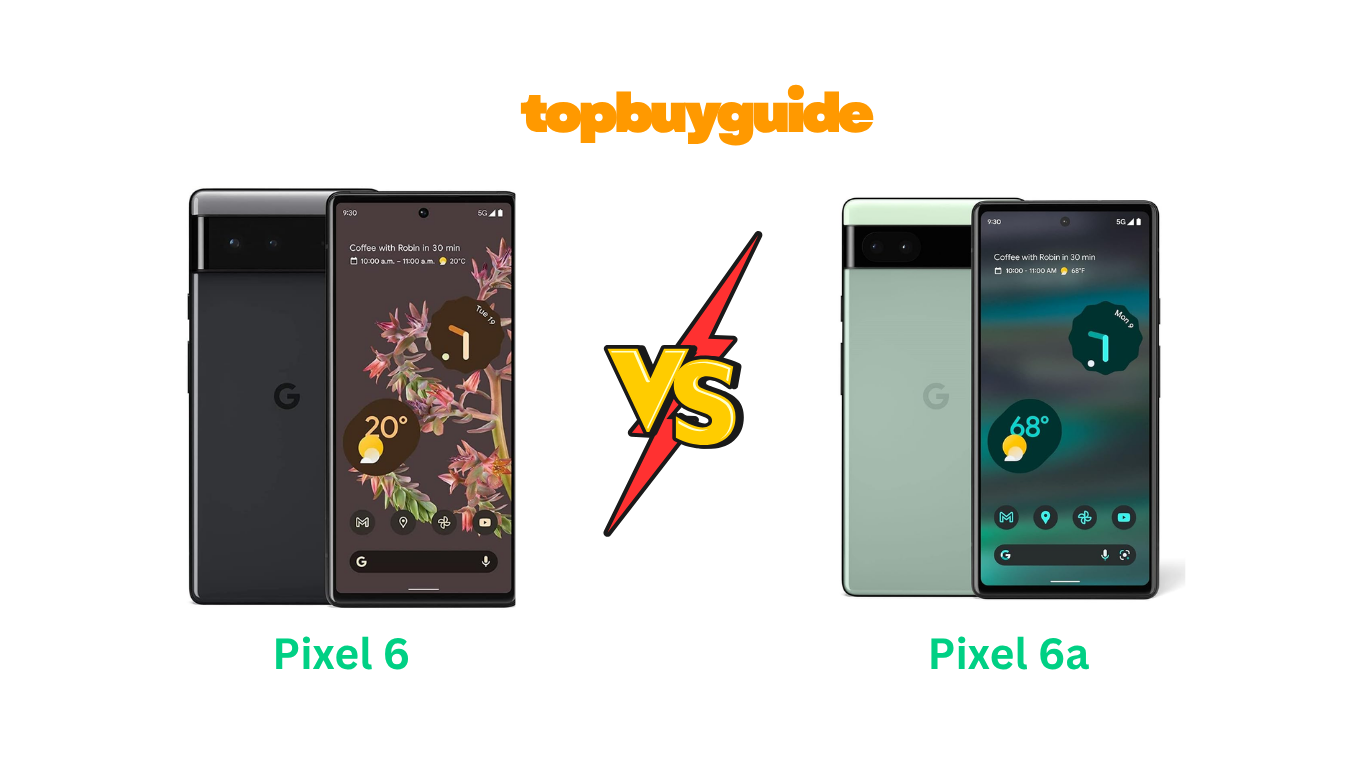
Choosing between the Google Pixel 6 and Pixel 6a can be tough. Both are fantastic phones, but after detailed testing, I recommend the Pixel 6. Its superior camera system and smoother high-refresh-rate display provide a more premium experience that justifies the small price difference. If you want the best possible photos and a more fluid feel for daily use, the Pixel 6 is the clear winner. Let’s dive into why.
Why Do I Recommend The Pixel 6?
While both phones are powered by the excellent Google Tensor chip, the Pixel 6 pulls ahead in key areas that significantly enhance the daily user experience. Here are the main reasons I suggest choosing the Pixel 6 over its more budget-friendly sibling, the 6a.
- Superior Main Camera: The Pixel 6 features a powerful 50MP main camera sensor. In contrast, the Pixel 6a uses a 12.2MP sensor. This larger sensor on the Pixel 6 captures significantly more light and detail, resulting in sharper, more vibrant photos, especially in challenging low-light conditions.
- Smoother Display: The Pixel 6 boasts a 6.4-inch display with a 90Hz refresh rate. This provides a noticeably smoother and more fluid experience when scrolling through apps, browsing websites, or playing games compared to the standard 60Hz display on the smaller 6.1-inch Pixel 6a.
- More RAM for Multitasking: With 8GB of RAM, the Pixel 6 is better equipped for heavy multitasking. While the Pixel 6a’s 6GB of RAM is adequate for daily tasks, the extra memory in the Pixel 6 ensures that switching between numerous open apps is faster and more seamless, with less chance of apps needing to reload.
- Faster Charging Speeds: The Pixel 6 supports faster charging, which is a significant convenience. Although it has a slightly larger battery, its ability to recharge more quickly means you spend less time tethered to an outlet compared to the Pixel 6a.
- Premium Build Quality: The Pixel 6 feels more premium in hand thanks to its Gorilla Glass Victus front and back. On the other hand, the Pixel 6a uses older Gorilla Glass 3 on the front and a plastic back, making the Pixel 6 more durable and scratch-resistant.
- Wireless Charging: A key feature missing from the Pixel 6a is wireless charging. The Pixel 6 offers this convenience, allowing you to simply place your phone on a compatible charging pad without fumbling for cables.
Side By Side Comparison Chart (pixel 6 vs 6a)
| Feature | Pixel 6 | Pixel 6a |
| Main Camera | 50 MP, f/1.9 | 12.2 MP, f/1.7 |
| RAM | 8 GB | 6 GB |
| Display Size | 6.4 inches | 6.1 inches |
| Refresh Rate | 90Hz | 60Hz |
| Battery | 4614 mAh | 4410 mAh |
| Screen Protection | Corning Gorilla Glass Victus | Corning Gorilla Glass 3 |
| Back Material | Gorilla Glass Victus | Plastic |
| Wireless Charging | Yes | No |
What Common (pixel 6 vs 6a) Can Do?
Despite their differences, the Pixel 6 and Pixel 6a share a core set of features that make them distinctly “Pixel” phones. This shared DNA ensures a consistent and intelligent user experience across both devices.
At the heart of both phones is the Google Tensor chip. This is Google’s first custom-built processor, designed specifically for Pixel. It’s not just about raw speed; the Tensor chip excels at machine learning and AI tasks. This allows for incredible features like Live Translate, which can translate conversations and text in real-time, and the Magic Eraser tool in Google Photos, which can remove unwanted objects from your pictures with a simple tap. The chip ensures that both the Pixel 6 and 6a feel fast, responsive, and smart in everyday use.
Both devices also share an excellent 12MP ultrawide camera. This allows you to capture expansive landscape shots or fit more people into a group photo without having to step back. The image processing powered by the Tensor chip ensures that photos from the ultrawide lens are sharp, well-exposed, and have that signature Pixel look with great dynamic range and color accuracy.
Security is another shared strength. Both the Pixel 6 and 6a are equipped with the Titan M2 security chip. This dedicated security coprocessor works alongside the Tensor chip to protect your most sensitive data, such as passwords and transaction information. It makes the Pixel lineup one of the most secure on the market, giving you peace of mind that your personal information is safe from threats.
Finally, both phones offer a clean, stock Android experience with the promise of timely software and security updates directly from Google. This means you get the latest features, bug fixes, and security patches as soon as they are available, without the bloatware often found on other Android devices. You’ll enjoy the pure, user-friendly interface that Google intended.
Common Features of (pixel 6 vs 6a)
| Feature | Pixel 6 | Pixel 6a |
| Processor | Google Tensor (5 nm) | Google Tensor (5 nm) |
| Security Chip | Titan M2 | Titan M2 |
| Ultrawide Camera | 12 MP, f/2.2 | 12 MP, f/2.2 |
| Front Camera | 8 MP, f/2.0 | 8 MP, f/2.0 |
| Operating System | Android 12 | Android 12 |
| Storage | 128 GB | 128 GB |
| 5G Connectivity | Yes | Yes |
| Fingerprint Sensor | Under-display, optical | Under-display, optical |
A Detailed Comparison Of the (pixel 6 vs 6a)
Camera System
The camera is where the biggest hardware difference lies. The Pixel 6 is equipped with a 50MP main sensor that captures an incredible amount of light and detail. This results in photos that are noticeably sharper and cleaner, particularly when you zoom in or when shooting in low light. The larger sensor provides a natural depth of field, making your subjects pop.
In contrast, the Pixel 6a uses a 12.2MP main sensor, which is the same reliable sensor Google has used in previous Pixel generations. While it still produces fantastic photos thanks to Google’s computational photography magic, it simply can’t compete with the raw hardware of the Pixel 6. Photos from the 6a are great for social media, but those from the Pixel 6 offer more flexibility for editing and cropping.
Display Quality
The display is another key differentiator. The Pixel 6 features a 6.4-inch AMOLED display with a 90Hz refresh rate. This higher refresh rate makes everything from scrolling through your social feeds to playing games feel incredibly smooth and responsive. It’s a premium feature that, once you experience it, is hard to go back from.
The Pixel 6a has a slightly smaller 6.1-inch OLED display, but it’s limited to a standard 60Hz refresh rate. While the display is still sharp and vibrant with excellent colors and deep blacks, the user experience isn’t as fluid as on the Pixel 6. If you value a super-smooth interface, the Pixel 6 has a clear advantage.
Performance and RAM
Both phones are powered by Google’s Tensor chip, so day-to-day performance is snappy on both devices. However, the Pixel 6 includes 8GB of RAM, providing an edge in multitasking. This means you can keep more apps running in the background without them needing to reload when you switch back to them.
The Pixel 6a comes with 6GB of RAM. For most users, this is perfectly sufficient for browsing, social media, and light gaming. But if you’re a power user who frequently juggles multiple demanding applications, you may notice the Pixel 6 offers a more consistently smooth experience thanks to that extra memory.
Battery Life and Charging
The Pixel 6 houses a 4614mAh battery, which provides solid all-day battery life for most users. A significant advantage is its support for wireless charging, a convenience feature that adds to its premium feel. It can be placed on any Qi-compatible pad for easy, cable-free power.
The Pixel 6a has a slightly smaller 4410mAh battery. Thanks to its smaller screen and 60Hz refresh rate, its battery life is very comparable to the Pixel 6, easily lasting a full day. However, it lacks wireless charging, meaning you’ll always need to plug it in with a USB-C cable to recharge.
Conclusion
After a thorough comparison, the Pixel 6 is my top recommendation. It delivers a more premium, feature-rich experience for a relatively small increase in price. With its superior 50MP camera, smoother 90Hz display, and the convenience of wireless charging, you are getting a significant upgrade in the areas that matter most for daily use. If you want the best photography and a more fluid, high-end feel, the Pixel 6 is unquestionably the better buy and offers superior long-term value.
FAQs
1. Is the Pixel 6 camera that much better than the 6a?
Yes, the Pixel 6’s 50MP main sensor captures significantly more detail and performs much better in low light than the 12.2MP sensor in the 6a. If photography is a priority for you, the difference is noticeable and worth the upgrade.
2. Does the 90Hz display on the Pixel 6 really make a difference?
Absolutely. The 90Hz refresh rate on the Pixel 6 makes scrolling and animations feel much smoother and more fluid compared to the 60Hz display on the 6a. It enhances the overall feeling of speed and responsiveness in daily use.
3. Is the Pixel 6a more durable than the Pixel 6?
No, the Pixel 6 is more durable. It uses stronger Gorilla Glass Victus on both the front and back. The Pixel 6a uses the older Gorilla Glass 3 on the front and has a plastic back, making it more susceptible to scratches and damage.
4. Do both phones get the same software updates?
Yes, both the Pixel 6 and Pixel 6a receive software and security updates directly from Google at the same time. You’ll get the latest Android features and security patches on either device as soon as they are released.
5. How is the battery life on the Pixel 6 vs 6a?
Battery life is very similar on both phones, with each comfortably lasting a full day for most users. The Pixel 6 has a slightly larger battery, but the 6a’s smaller, 60Hz screen is more power-efficient, balancing things out.
6. Is it worth saving money and getting the Pixel 6a?
If you are on a strict budget, the Pixel 6a is still a fantastic phone that offers the core Pixel experience. However, for a small additional cost, the Pixel 6 provides significant upgrades in camera, display, and build quality that offer better long-term value.
7. Does either phone have a headphone jack?
No, neither the Pixel 6 nor the Pixel 6a has a 3.5mm headphone jack. You will need to use USB-C headphones or Bluetooth headphones for audio.
8. Can I expand the storage on either phone?
No, neither the Pixel 6 nor the Pixel 6a has a microSD card slot for expandable storage. Both come with a fixed 128GB of internal storage, so you’ll need to manage your space or rely on cloud storage.

Alex Turner is a dedicated product researcher and reviewer at TopBuyGuide.com, known for his clear, honest, and data-driven insights. He spends countless hours testing, comparing, and analyzing products to help readers make confident and informed buying decisions.