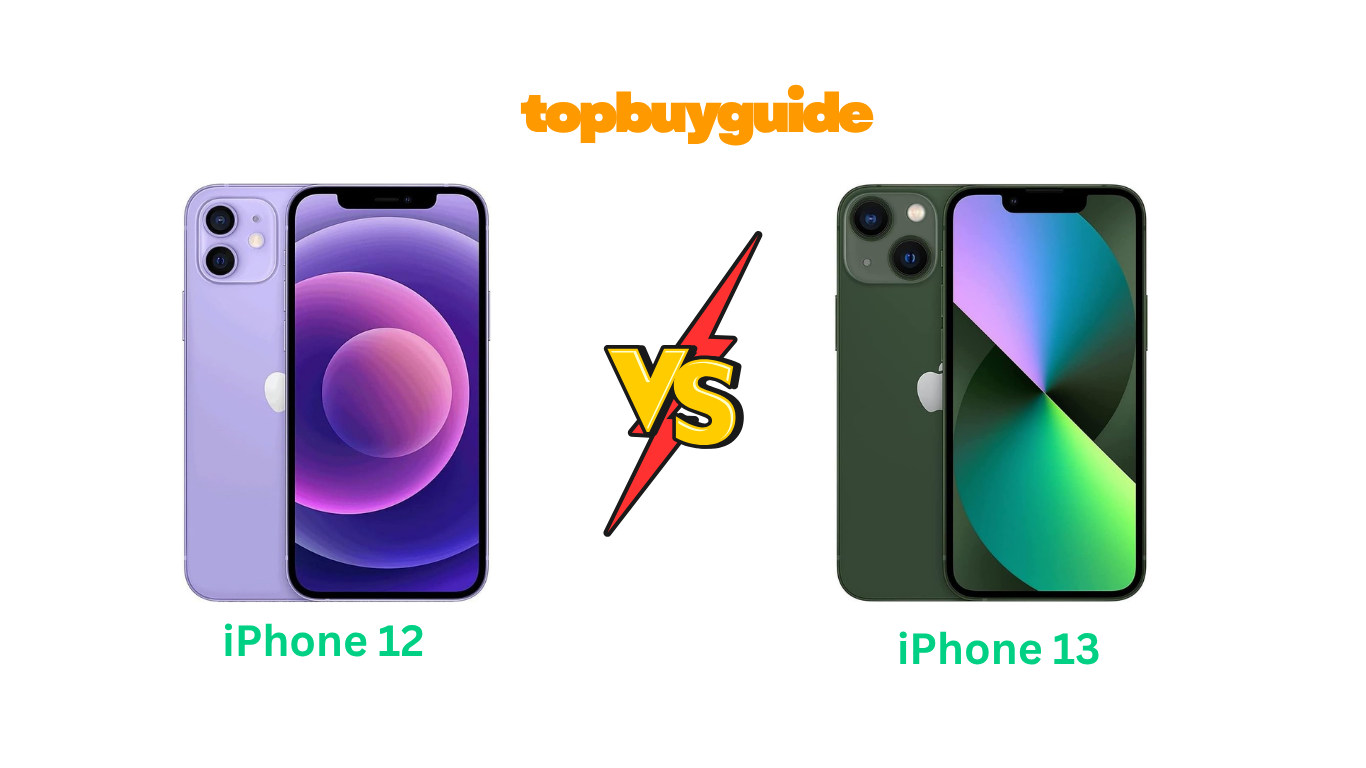
Choosing between the iPhone 12 and iPhone 13 can feel overwhelming. Both devices offer Apple’s signature quality, but the iPhone 13 stands out with its superior battery life and enhanced camera performance. The iPhone 13 delivers up to 9 hours more battery life and excels in low-light photography, making it the smarter investment for users who prioritize longevity and camera capabilities.
While the iPhone 12 remains excellent for everyday tasks, the modest price difference makes the iPhone 13 worth the upgrade for most buyers.
Why Do I Recommend The iPhone 13?
The iPhone 13 emerges as the winner for several compelling reasons. Here’s why this model deserves your attention:
• Extended Battery Performance: The iPhone 13 provides approximately 9 hours of additional usage compared to the iPhone 12, ensuring your phone lasts throughout demanding days. In contrast, the iPhone 12’s 2,815mAh battery often requires midday charging.
• Superior A15 Bionic Chip: The A15 Bionic processor offers significant performance improvements and better energy efficiency, making multitasking smoother. Meanwhile, the iPhone 12’s A14 chip, though powerful, can’t match this efficiency.
• Enhanced Low-Light Photography: The iPhone 13 boasts superior camera performance, especially for low-light photography and action shots. The iPhone 12’s camera system performs well but lacks the advanced sensor improvements.
• Increased Base Storage: The iPhone 13 starts at 128GB storage, double the iPhone 12’s 64GB base option, eliminating storage anxiety for most users. This means fewer compromises on apps and media.
• Brighter Display Technology: The iPhone 13 offers slightly higher peak brightness, enhancing visibility in bright outdoor conditions. The iPhone 12’s display, while excellent, dims comparably in direct sunlight.
• Reduced Notch Design: The iPhone 13 features a 20% smaller front camera notch, providing more immersive screen real estate. This subtle improvement enhances the overall viewing experience.
• Better Thermal Management: The iPhone 13’s enhanced thermal management ensures the device stays cooler during intensive use. The iPhone 12 can warm up more noticeably during gaming sessions.
• Longer Software Support: With its newer release date, the iPhone 13 will receive iOS updates for additional years, extending your device’s functional lifespan beyond the iPhone 12.
Side By Side Comparison Chart: iPhone 12 vs 13
| Feature | iPhone 12 | iPhone 13 |
| Processor | A14 Bionic | A15 Bionic |
| Base Storage | 64GB | 128GB |
| Maximum Storage | 256GB | 512GB |
| Battery Capacity | 2,815mAh | 3,227mAh |
| Video Playback | Up to 17 hours | Up to 19 hours |
| Weight | 164g (5.78 oz) | 174g (6.14 oz) |
| Thickness | 7.4mm | 7.65mm |
| Peak Brightness | 625 nits | 800 nits |
| Front Notch | Standard size | 20% smaller |
| Camera Sensor | Standard | 47% more light capture |
| Cinematic Mode | No | Yes |
| Launch Price | $799 | $799 |
Features
iPhone 12
The iPhone 12 features a 6.1-inch Super Retina XDR OLED display with Ceramic Shield protection offering four times better drop performance. It delivers incredible low-light photography with Night mode on all cameras. Powered by the A14 Bionic chip with 4GB RAM, this device handles demanding applications smoothly. The dual 12MP camera system captures cinema-grade Dolby Vision HDR video.
5G connectivity and Face ID come standard, along with True Tone support for ambient white balance adjustment. The device weighs just 164 grams and measures 7.4mm thin. MagSafe technology enables easy accessory attachment and wireless charging. Available in multiple colors, it supports both physical SIM and eSIM configurations.
iPhone 13
The iPhone 13 showcases a 6.1-inch Super Retina XDR OLED display at 2532×1170 pixels with approximately 460 PPI and 60Hz refresh rate. Its dual-camera system consists of 12MP F1.6 wide-angle and 12MP F2.4 ultra-wide cameras with larger sensors for improved light sensitivity. The A15 Bionic chip features a new 6-core CPU with 2 performance and 4 efficiency cores, plus a 4-core GPU and 16-core Neural Engine.
Cinematic mode enables 1080p video at 30fps, while Dolby Vision HDR recording reaches 4K at 60fps. The front-facing camera delivers 12MP resolution. Face ID, Ceramic Shield front, and aerospace-grade aluminum construction ensure durability. Available in six colors including Midnight, Starlight, Product Red, Blue, Pink, and Green, it supports multiple eSIMs.
What Common iPhone 12 vs 13 Features Can Do?
Both iPhone models share numerous capabilities that define the Apple smartphone experience. Understanding these commonalities helps you appreciate what you’re getting regardless of your choice.
5G Connectivity: Both the iPhone 12 and iPhone 13 support new 5G connections, enabling blazing-fast download speeds and improved streaming quality. This technology future-proofs your investment as 5G networks expand globally. Whether you’re downloading large files or video calling, both devices handle network connectivity exceptionally well.
Super Retina XDR Display: Both models feature a 6.1-inch Super Retina XDR OLED display with the same resolution and pixel density. The OLED technology delivers vibrant colors, deep blacks, and high contrast ratios. Both screens provide excellent viewing experiences for media consumption, gaming, and everyday use. The identical resolution ensures crisp text and sharp images across both models.
Dual Camera System: Both the iPhone 13 and iPhone 12 feature two cameras without a dedicated zoom lens, reserved for Pro models. Each has a 12MP wide camera with 26mm focal length and f/1.6 aperture, plus a 12MP ultra-wide camera at 0.5X or 13mm with f/2.4 aperture. Both deliver exceptional photo quality in most lighting conditions. The dual-camera setup enables creative photography with ultrawide perspectives.
MagSafe Technology: Both the iPhone 12 and iPhone 13 incorporate Apple’s MagSafe design for easy accessory connection. This magnetic system enables quick wireless charging and seamless attachment of compatible accessories. From wallets to car mounts, MagSafe enhances your iPhone experience. Both models support the same MagSafe ecosystem of products.
Ceramic Shield Protection: Both devices feature Ceramic Shield glass on the front, providing superior drop protection compared to previous iPhone generations. This technology significantly reduces the likelihood of screen cracks from accidental drops. The durability enhancement gives peace of mind for everyday use.
iOS Operating System: Both phones run the latest iOS version, providing access to Apple’s extensive app ecosystem. You’ll enjoy regular security updates, new features, and seamless integration with other Apple devices. The software experience remains consistent across both models.
Face ID Technology: Both models use advanced Face ID for secure authentication and Apple Pay transactions. The facial recognition system works reliably even in low light. This biometric security ensures your personal data stays protected.
Water Resistance: Both iPhones carry IP68 water resistance ratings, protecting against accidental spills and splashes. You can confidently use either device in light rain or near water without worry.
Common Features of iPhone 12 vs 13
| Feature | iPhone 12 | iPhone 13 |
| Display Size | 6.1-inch | 6.1-inch |
| Display Type | Super Retina XDR OLED | Super Retina XDR OLED |
| Resolution | 2532 x 1170 pixels | 2532 x 1170 pixels |
| 5G Support | Yes | Yes |
| Face ID | Yes | Yes |
| Ceramic Shield | Yes | Yes |
| MagSafe | Yes | Yes |
| Water Resistance | IP68 | IP68 |
| Wireless Charging | Yes | Yes |
| Dolby Vision HDR | Yes | Yes |
| Night Mode | Yes | Yes |
| Front Camera | 12MP | 12MP |
| Wide Camera | 12MP, f/1.6 | 12MP, f/1.6 |
| Ultra-Wide Camera | 12MP, f/2.4 | 12MP, f/2.4 |
A Detailed Comparison Of the iPhone 12 vs 13
Processor Performance
The iPhone 12 features the A14 Bionic chip, while the iPhone 13 utilizes the newer A15 Bionic chip. Some estimates suggest the iPhone 13’s A15 chip has about a 10% performance edge over the iPhone 12’s A14. The A14 remains powerful for everyday tasks, handling apps and multitasking smoothly. However, the A15’s efficiency improvements become noticeable during intensive operations like video editing or gaming.
The A15 Bionic offers significant performance improvements and better energy efficiency, making the iPhone 13 faster and more capable. For casual users, the performance gap may feel negligible during typical activities like browsing, social media, and messaging. Power users running demanding applications will appreciate the iPhone 13’s enhanced capabilities and thermal management, which sustains performance longer under heavy loads.
Battery Life
The iPhone 13 contains a 3,227mAh battery cell versus 2,815mAh in the iPhone 12, representing nearly a 15% capacity increase. The iPhone 13 delivers approximately 9 hours of additional use compared to the iPhone 12. This translates to significantly longer screen-on time throughout your day. Apple confirms the iPhone 13 provides 1.5 hours longer battery life on average.
Battery life tests show the iPhone 13 achieving between 10.5 and 16 hours depending on settings and mobile network. The iPhone 12, while adequate for moderate use, often requires charging before bedtime for heavy users. The battery difference becomes most apparent during travel, gaming sessions, or days with heavy camera use when the iPhone 13’s endurance truly shines.
Camera Quality
The iPhone 13’s main camera can capture 47% more light for better night shots compared to the iPhone 12. Both devices have 12MP rear cameras, 12MP ultrawide lenses, and 12MP front cameras, but the iPhone 13 features slightly changed lens and sensor designs. Daylight photos from both phones show minimal differences, with the iPhone 13 producing slightly more balanced exposures in high-contrast scenes.
The difference in camera quality from one iPhone generation to the next isn’t as dramatic as it once was, but the iPhone 13 performs noticeably better in low-light conditions. The iPhone 13 introduces Cinematic mode for video, adding professional depth-of-field effects during recording. For photography enthusiasts, the iPhone 13’s sensor improvements justify the upgrade, while casual photographers will find both cameras excellent for everyday shooting.
Display Brightness
Both models feature 6.1-inch OLED displays, but the iPhone 13 offers slightly higher peak brightness. The iPhone 13 delivers brighter displays as noted in specification guides, reaching approximately 800 nits compared to the iPhone 12’s 625 nits. This enhancement proves particularly valuable when using your phone outdoors in direct sunlight, where screen visibility becomes crucial.
The iPhone 12’s display remains vibrant and sharp for indoor use and most outdoor conditions. However, during bright summer days or while taking photos in sunlight, the iPhone 13’s additional brightness makes screen content more legible. Both displays support HDR content beautifully, delivering rich colors and deep blacks that make media consumption enjoyable.
Storage Options
The iPhone 13 starts at 128GB storage, double the miserly 64GB base option of the iPhone 12. The iPhone 13 also introduces a new 512GB tier, while the iPhone 12 maxed out at 256GB. This storage expansion addresses a common complaint about the iPhone 12’s entry-level capacity. For users who download many apps, shoot videos, or store music offline, the extra storage proves invaluable.
The iPhone 12’s 64GB base model fills quickly with photos, videos, and apps, often requiring users to manage storage actively or rely on iCloud. The iPhone 13’s doubled base storage provides breathing room for most users without constant deletion of content. Power users who create lots of 4K video content will appreciate the 512GB option available only on the iPhone 13.
Design and Build
The iPhone 13 and iPhone 12 have basically the same dimensions and feel similar in hand. The iPhone 13 weighs about 10 grams more at 174g compared to 164g and measures 0.25mm thicker. The only visible design difference is the 20% smaller front camera notch on the iPhone 13. Both phones feature flat edges with aerospace-grade aluminum frames and Ceramic Shield front covers.
The weight difference remains subtle but noticeable when holding both devices. The iPhone 13’s additional heft comes from its larger battery. Both models offer similar color options, though the iPhone 13 introduced new shades like Pink and later Green. The reduced notch on the iPhone 13 provides marginally more screen space, enhancing the immersive viewing experience slightly.
eSIM Capabilities
Both the iPhone 12 and iPhone 13 support eSIM or embedded SIM card design instead of traditional removable SIM cards. However, the iPhone 13 adds the ability to support multiple eSIMs, making it more versatile for international travelers or users who need separate work and personal numbers. The iPhone 12 supports one physical SIM and one eSIM, which suffices for most users.
The multiple eSIM support on the iPhone 13 eliminates the need to swap physical SIM cards when traveling internationally. You can maintain multiple carrier profiles and switch between them in settings. This feature benefits frequent travelers and business users who juggle multiple phone numbers regularly.
Cinematic Mode
The iPhone 13 introduces Cinematic mode in 1080p at 30fps, enabling professional-style focus transitions. This feature automatically shifts focus between subjects while adding background blur, creating film-like depth effects. The iPhone 12 lacks this capability entirely, limiting creative video options. Cinematic mode appeals to content creators and anyone wanting to elevate their video quality.
While both phones record excellent 4K video with Dolby Vision HDR, Cinematic mode sets the iPhone 13 apart for videography. The feature tracks subjects intelligently and creates smooth focus transitions that typically require expensive equipment. For vloggers, parents documenting family moments, or anyone serious about video quality, this capability alone justifies choosing the iPhone 13.
Conclusion
The iPhone 13 represents the better investment for most buyers. Its superior battery life, lasting up to 9 hours longer than the iPhone 12, eliminates daily charging anxiety. The doubled base storage of 128GB versus 64GB provides essential space for apps and media. The A15 Bionic processor delivers better efficiency, ensuring smoother performance for years. While both phones excel, the iPhone 13’s enhanced camera sensors, brighter display, and Cinematic mode make it worth the modest price difference. Choose the iPhone 13 for longevity and premium features that enhance your daily experience.
FAQs
Is the iPhone 13 battery really better than the iPhone 12?
Yes, significantly. The iPhone 13 has a 3,227mAh battery compared to the iPhone 12’s 2,815mAh, a nearly 15% increase. This translates to approximately 9 hours of additional usage time, meaning you’ll comfortably make it through full days without charging. For heavy users, this battery improvement proves transformative.
Will the iPhone 12 still receive iOS updates?
Yes, both devices continue receiving iOS updates. Apple typically supports iPhones for 5-6 years after release. The iPhone 12 launched in 2020, while the iPhone 13 arrived in 2021. This means the iPhone 13 will likely receive updates for approximately one additional year beyond the iPhone 12, extending its useful lifespan.
Is the camera difference noticeable between iPhone 12 and 13?
Moderately. The difference in camera quality isn’t as dramatic as previous generations, but the iPhone 13 performs noticeably better in low-light photography and action shots. The iPhone 13 captures 47% more light, producing clearer night photos. Daylight photos appear nearly identical. The addition of Cinematic mode provides creative video options unavailable on iPhone 12.
Which phone offers better value for money in 2025?
The iPhone 13 provides superior value despite its higher price. While the iPhone 12 has dropped below $250 and the iPhone 13 remains above $300, the modest price gap justifies the significant improvements in battery life, storage capacity, and performance. The iPhone 13’s extended software support timeline further enhances its long-term value proposition for buyers.
Can I use the same cases and accessories for both phones?
Generally, yes. Both phones have basically the same dimensions, with the iPhone 13 only 0.25mm thicker. Most cases designed for iPhone 12 fit the iPhone 13, though you should verify compatibility. MagSafe accessories work identically across both models. The camera module placement differs slightly, so some camera-specific accessories may not be fully compatible.
Does the iPhone 13’s heavier weight feel uncomfortable?
The weight difference remains minimal. The iPhone 13 weighs 174 grams versus the iPhone 12’s 164 grams—just 10 grams more. Most users don’t notice this slight difference during daily use. The added weight comes from the larger battery, which provides the extended usage time that outweighs any minor comfort considerations for most people.
Is the iPhone 13’s smaller notch a significant improvement?
Aesthetically, somewhat. The iPhone 13 features a 20% smaller front camera notch, providing marginally more screen space. This reduction creates a slightly more immersive viewing experience, particularly when watching videos in landscape orientation. While not revolutionary, the smaller notch represents a welcome refinement that modernizes the design without requiring adjustment.
Which phone is better for gaming?
The iPhone 13 edges ahead for serious gamers. The A15 Bionic chip offers significant performance improvements and better energy efficiency. The iPhone 13 has more thermal allowance to run intense games longer without throttling. The improved battery life also means longer gaming sessions. Both phones handle most games excellently, but the iPhone 13’s sustained performance during extended play gives it the advantage.

Alex Turner is a dedicated product researcher and reviewer at TopBuyGuide.com, known for his clear, honest, and data-driven insights. He spends countless hours testing, comparing, and analyzing products to help readers make confident and informed buying decisions.