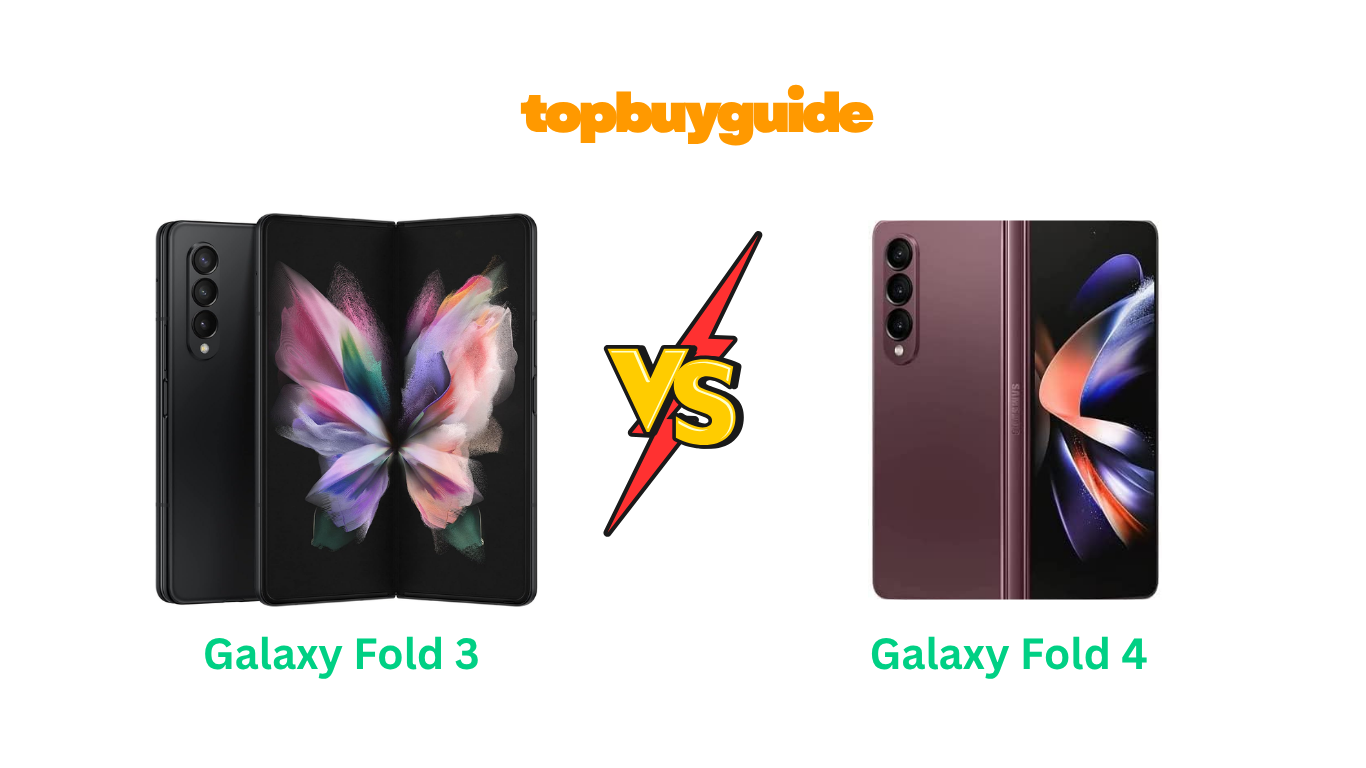
Choosing between two groundbreaking foldables requires careful consideration. The Galaxy Fold 3 and Fold 4 both deliver premium experiences. After thorough analysis, I recommend the Galaxy Fold 4 for its enhanced 50MP camera and refined wider design. The Fold 4’s improved processor delivers smoother performance.
While the Fold 3 offers excellent value at reduced pricing, the Fold 4’s upgrades justify the investment for those seeking the latest technology.
Why Do I Recommend The Galaxy Fold 4?
The Galaxy Fold 4 stands out as my top choice with meaningful improvements over its predecessor:
- Superior 50MP Main Camera: The Fold 4 features a substantial camera upgrade with a 50MP primary sensor. This captures significantly more detail than the Fold 3’s 12MP camera. The Fold 3 produces good photos but lacks the resolution and clarity advantage.
- Enhanced 3x Optical Zoom: Samsung upgraded the telephoto lens to provide 3x optical zoom capability. In contrast, the Fold 3 offers only 2x optical zoom for distant subjects. The Fold 4 delivers superior zoom versatility for photography enthusiasts.
- Powerful Snapdragon 8+ Gen 1: The latest processor provides 40% faster performance than Fold 3’s Snapdragon 888. Battery efficiency improves dramatically with the newer chip. The Fold 3 performs well but can’t match this processing power.
- Wider, More Usable Design: The Fold 4 features a shorter, wider form factor with better aspect ratio. The cover screen feels more natural for typing and app usage. Meanwhile, the Fold 3’s narrower design makes one-handed use more challenging.
- Improved Under-Display Camera: The Fold 4’s under-display camera blends better with twice the pixel coverage. Image quality from this camera surpasses the Fold 3’s implementation. The Fold 3’s under-display camera appears more visible and produces inferior results.
- Better Thermal Management: The Snapdragon 8+ Gen 1 runs cooler during intensive gaming and multitasking. Heat dissipation improves significantly over the Fold 3’s chipset. The older model tends to warm up faster during extended use.
- Gorilla Glass Victus Plus: Samsung upgraded to more durable glass protection on the Fold 4. The enhanced scratch resistance exceeds the Fold 3’s Gorilla Glass Victus. This provides better long-term durability for daily wear.
- Refined Hinge Design: The Fold 4’s hinge measures noticeably slimmer and weighs 8 grams lighter. The improved mechanism feels more premium and compact. The Fold 3’s hinge works well but feels bulkier by comparison.
Side By Side Comparison Chart Fold 3 vs Fold 4
| Features | Galaxy Fold 3 | Galaxy Fold 4 |
| Main Camera | 12MP | 50MP |
| Telephoto Zoom | 2x optical | 3x optical |
| Processor | Snapdragon 888 | Snapdragon 8+ Gen 1 |
| Cover Screen Width | 67.1mm | 67.1mm (larger usable area) |
| Aspect Ratio | 25:9 | 23.1:9 |
| Weight | 271g | 263g |
| Closed Thickness | 14.4-16mm | 14.2-15.8mm |
| Glass Protection | Gorilla Glass Victus | Gorilla Glass Victus Plus |
| Display Brightness | 1,200 nits | 1,300 nits |
| Refresh Rate | 10-120Hz adaptive | 1-120Hz adaptive |
| Launch Price (256GB) | $1,799 | $1,799 |
| Current Price (256GB) | ~$1,199 | $1,799 |
| Storage Options | 256GB, 512GB | 256GB, 512GB, 1TB |
| Android Version (Launch) | Android 11 | Android 12L |
What Common Fold 3 vs Fold 4 Features Can Do?
Both foldables share exceptional capabilities that define premium smartphone experiences. Understanding these commonalities helps appreciate their shared excellence.
Identical 4,400mAh Battery Capacity: Both phones pack the same dual-cell battery configuration for power. The capacity ensures full-day usage with moderate to heavy use. Neither phone compromises on battery size despite compact engineering. However, the Fold 4’s efficient processor extends practical battery life significantly.
IPX8 Water Resistance Rating: Samsung maintains water protection up to 1.5 meters for 30 minutes. Both devices survive accidental water exposure like rain or spills. No dust resistance rating exists on either model unfortunately. This waterproofing represents a significant achievement for foldable technology.
25W Fast Charging Support: Both foldables charge at identical 25W wired speeds. You can reach 50% battery in approximately 30 minutes with proper charger. Neither includes a charger in the box anymore. Wireless charging works at 10W on the Fold 3 and 15W on Fold 4.
Dual 120Hz Display Technology: Both phones feature adaptive refresh rate on inner and outer screens. The smooth scrolling enhances user experience significantly across all apps. The technology conserves battery by lowering refresh rate for static content. This premium feature improves daily usability dramatically.
S Pen Stylus Support: Both foldables work with Samsung’s specially designed S Pen Fold Edition. The stylus enables precise note-taking, drawing, and document signing. Neither phone includes built-in storage for the stylus unfortunately. You must purchase the S Pen separately for both models.
12GB RAM Configuration: Both devices come with identical 12GB LPDDR5 memory. This ensures exceptional multitasking performance for power users. App switching remains instant even with numerous programs running. The generous RAM allocation future-proofs both devices effectively.
One UI Software Experience: Both phones run Samsung’s feature-rich One UI interface optimizations. Flex mode, split-screen, and taskbar enhance productivity on both devices. Software updates bring identical features to both models currently. The foldable-specific optimizations work excellently on both phones.
Fingerprint Side Button Scanner: Both foldables use identical capacitive fingerprint sensors on the power button. The authentication method works quickly and reliably for unlocking. No face recognition exists on the cover screen for either model. The placement feels natural and accessible during use.
Common Features of Fold 3 vs Fold 4
| Features | Galaxy Fold 3 | Galaxy Fold 4 |
| Battery Capacity | 4,400mAh | 4,400mAh |
| Water Resistance | IPX8 | IPX8 |
| Wired Charging | 25W | 25W |
| Main Display Size | 7.6 inches | 7.6 inches |
| Main Display Refresh Rate | 120Hz adaptive | 120Hz adaptive |
| Cover Display Size | 6.2 inches | 6.2 inches |
| RAM | 12GB | 12GB |
| S Pen Support | Yes (Fold Edition) | Yes (Fold Edition) |
| 5G Support | Sub-6, mmWave | Sub-6, mmWave |
| Ultrawide Camera | 12MP | 12MP |
| Cover Selfie Camera | 10MP | 10MP |
| Under-Display Camera | 4MP | 4MP |
| Stereo Speakers | Yes | Yes |
| Wireless Charging | 10W | 15W |
A Detailed Comparison Of Fold 3 vs Fold 4
Camera System and Photography
The Galaxy Fold 3 features a triple 12MP camera setup that performs admirably. The main sensor captures sharp, colorful images in good lighting conditions. However, low-light performance falls behind flagship standards from the same year. The 2x telephoto lens provides basic zoom functionality for distant subjects.
The Galaxy Fold 4 receives significant camera upgrades with a 50MP main sensor. The increased resolution allows extensive cropping while maintaining detail and sharpness. The 3x optical telephoto lens provides more practical zoom range. Samsung borrowed these cameras from the Galaxy S22 series successfully.
Processing Power and Performance
The Fold 3 runs on Snapdragon 888 5G processor from 2021. The chip handles multitasking and gaming with impressive capability overall. Performance remains smooth for everyday tasks and demanding applications. However, thermal management becomes noticeable during extended intensive use sessions.
The Fold 4 upgrades to Snapdragon 8+ Gen 1 with substantial improvements. The processor delivers 40% faster performance with better efficiency simultaneously. Gaming performance particularly benefits from enhanced GPU power and thermal design. The chip stays cooler during heavy use compared to predecessor.
Design and Form Factor
The Galaxy Fold 3 measures 271 grams and feels substantial in hand. The 25:9 aspect ratio creates a narrow cover screen that challenges typing. Bezel size remains noticeable around both displays on the device. The hinge design works reliably but adds considerable bulk when closed.
The Galaxy Fold 4 weighs 8 grams lighter at 263 grams total. Samsung refined the aspect ratio to 23.1:9 for improved usability significantly. The hinge shrinks noticeably, creating more screen area with smaller bezels. The shorter, wider build feels more natural for everyday phone use.
Display Quality and Brightness
The Fold 3 features 7.6-inch main display with vibrant Dynamic AMOLED 2X technology. Peak brightness reaches 1,200 nits for adequate outdoor visibility in sunlight. The 10-120Hz adaptive refresh rate conserves battery during static content. The crease remains visible but becomes less noticeable with use.
The Fold 4 improves brightness to 1,300 nits for better outdoor performance. The adaptive refresh rate drops to 1Hz minimum instead of 10Hz. This enhancement saves additional battery during always-on display and reading. The crease visibility reduces slightly with improved manufacturing techniques.
Under-Display Camera Technology
The Galaxy Fold 3 introduced Samsung’s first under-display camera with 4MP resolution. The camera blends reasonably well but remains visible upon close inspection. Image quality from this sensor disappoints for video calls and selfies. The technology represents an important first step for Samsung.
The Galaxy Fold 4 refines the under-display camera with better integration. Samsung doubled the pixel density covering the camera area significantly. Image quality improves noticeably over the Fold 3’s implementation. The camera blends more seamlessly with surrounding display content now.
Build Quality and Durability
The Fold 3 uses Gorilla Glass Victus on outer display and back. The Armor Aluminum frame provides 10% stronger protection than predecessors. IPX8 water resistance marks a significant achievement for foldable phones. However, no dust protection exists, requiring careful environmental consideration.
The Fold 4 upgrades to Gorilla Glass Victus Plus for enhanced durability. The glass offers improved scratch resistance for long-term daily wear. Samsung maintains IPX8 water resistance without dust rating still. The overall build quality feels marginally more refined and premium.
Battery Life and Efficiency
The Galaxy Fold 3’s 4,400mAh battery struggles with demanding usage patterns. Power users often need charging before day’s end with heavy use. The Snapdragon 888 processor shows decent efficiency but not exceptional. Wireless charging maxes out at 10W for slower cable-free charging.
The Galaxy Fold 4 maintains identical 4,400mAh capacity but performs better. The Snapdragon 8+ Gen 1’s efficiency improvements extend practical battery life. Users consistently report full-day usage even with intensive tasks. Wireless charging improves to 15W for faster cable-free power top-ups.
Storage Options and Configurations
The Fold 3 offers 256GB and 512GB storage configurations only. Both options come with 12GB RAM for consistent performance. UFS 3.1 storage provides fast read and write speeds. No microSD expansion exists on either storage variant unfortunately.
The Fold 4 adds a 1TB storage option for users needing maximum capacity. The base 256GB and mid-tier 512GB options return identically. All configurations include 12GB RAM without higher memory options. UFS 3.1 storage remains the same as Fold 3 specification.
Software and Update Policy
The Galaxy Fold 3 launched with Android 11 and One UI 3.1. Samsung promises four years of major Android updates through 2025. Security patches continue through 2026 for extended support longevity. Both phones currently run One UI 5.1 with identical features.
The Galaxy Fold 4 debuted with Android 12L optimized for large screens. The update policy provides four Android versions through Android 16. Security patches extend through 2027 for one additional year. The software experience remains virtually identical between both foldables currently.
Price and Value Proposition
The Fold 3 originally cost $1,799 at launch in 2021. Current pricing dropped to approximately $1,199 for the 256GB model. This represents excellent value for foldable technology and capabilities. The reduced price makes premium foldables more accessible to buyers.
The Fold 4 maintains $1,799 starting price for 256GB storage. The 512GB variant costs $1,919 while 1TB reaches $2,159 total. Trade-in deals and promotions frequently reduce the effective price significantly. The premium pricing reflects the latest technology and improvements included.
Conclusion
The Galaxy Fold 4 emerges as the superior choice with meaningful upgrades throughout. The 50MP camera and 3x telephoto lens dramatically improve photography capabilities. Snapdragon 8+ Gen 1 delivers 40% faster performance with better thermal management. The refined design feels more usable with improved aspect ratio and weight. However, the Fold 3 offers exceptional value at $600 less currently. For buyers wanting cutting-edge foldable technology, the Fold 4 justifies its premium pricing convincingly.
FAQs
Is the camera improvement worth upgrading from Fold 3 to Fold 4? Yes, the 50MP main camera provides substantially better image quality and detail. The 3x optical zoom offers more versatility than Fold 3’s 2x zoom. Photography enthusiasts will appreciate the meaningful camera system upgrade. However, casual shooters might find Fold 3’s cameras adequate.
How much faster is the Fold 4 compared to Fold 3? The Snapdragon 8+ Gen 1 delivers approximately 40% performance improvement overall. Gaming and multitasking benefit from enhanced GPU and efficiency gains. The Fold 4 stays cooler during intensive use with better thermals. Real-world performance differences appear noticeable in demanding applications.
Does the Fold 4 have better battery life than Fold 3? Yes, despite identical 4,400mAh capacity, the Fold 4 lasts noticeably longer. The Snapdragon 8+ Gen 1’s efficiency improvements extend practical usage time. Users consistently report full-day battery life with moderate to heavy use. The Fold 3 often requires charging before evening with similar usage.
Is the design difference noticeable between Fold 3 and Fold 4? The Fold 4’s wider aspect ratio makes the cover screen more usable. The 8-gram weight reduction and slimmer hinge improve handling noticeably. Reduced bezels create more immersive display experience on both screens. However, the overall form factor remains similar at quick glance.
Should Fold 3 owners upgrade to the Fold 4? Generally no, unless you prioritize camera improvements and maximum performance. The upgrade cost doesn’t justify incremental refinements for most users. Fold 3 remains highly capable for several more years easily. Wait for Fold 5 or later for more substantial changes.
Which phone offers better value for money? The Fold 3 provides exceptional value at approximately $1,199 currently. You sacrifice camera quality and some performance but save $600 significantly. The Fold 4 justifies its $1,799 price for those wanting latest technology. Budget-conscious buyers should strongly consider the discounted Fold 3.
Do both phones support the S Pen stylus? Yes, both work with Samsung’s S Pen Fold Edition exclusively. Regular S Pens can damage the screen and aren’t compatible. Neither phone includes built-in storage for the stylus unfortunately. The S Pen must be purchased separately for both models.
How long will each phone receive software updates? The Fold 3 receives updates through Android 15 and security patches until 2026. The Fold 4 gets updates through Android 16 with patches until 2027. Both phones currently run identical One UI 5.1 software experience. The one-year difference matters for long-term ownership planning.

Alex Turner is a dedicated product researcher and reviewer at TopBuyGuide.com, known for his clear, honest, and data-driven insights. He spends countless hours testing, comparing, and analyzing products to help readers make confident and informed buying decisions.