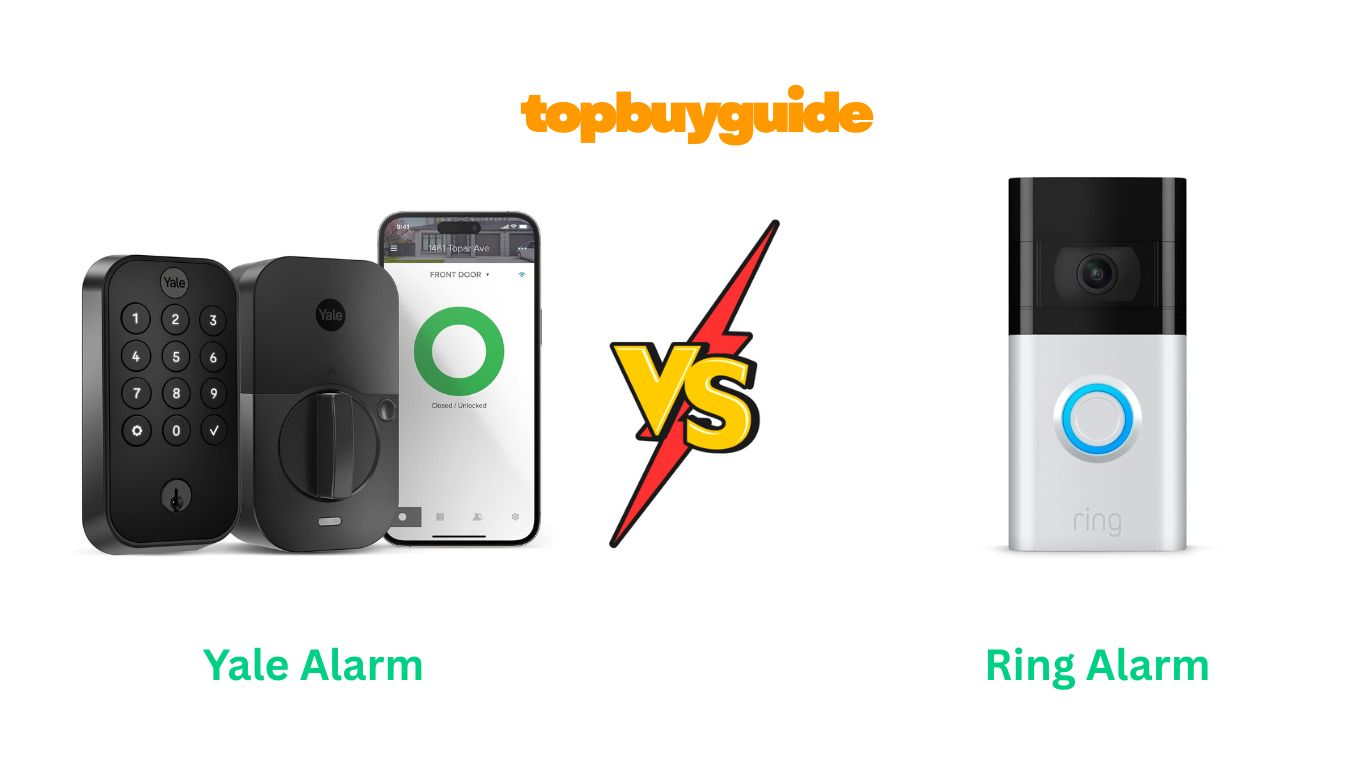
Securing your home shouldn’t break the bank or require a security degree. After extensive research and testing, I recommend the Ring Alarm system for most homeowners seeking affordable, reliable protection. Ring offers professional monitoring at just $20 monthly with seamless Amazon Alexa integration. Its DIY installation takes under an hour, and equipment costs start at $199 for comprehensive coverage. While Yale provides excellent customization and no mandatory subscriptions, Ring’s ecosystem integration and value make it the smarter choice for modern homes.
Why Do I Recommend The Ring Alarm System?
After comparing both security systems thoroughly, Ring Alarm delivers superior value:
- More Affordable Equipment Pricing – Ring’s 5-piece starter kit costs $199 compared to Yale’s starter kit at £399.98 (approximately $500). You save over $300 on initial setup while getting comparable coverage for typical homes.
- Industry-Leading Professional Monitoring – Ring provides 24/7 professional monitoring for just $20 monthly with cellular backup included. Yale charges £5 ($6.25) for 4G backup alone without professional monitoring services currently available.
- Superior Smart Home Integration – Ring integrates seamlessly with Amazon Alexa, allowing voice control and automated routines across your entire smart home. Yale supports Alexa and Google Assistant but with less robust integration capabilities.
- Simpler Installation Process – Ring’s app-guided setup takes 30-60 minutes with pre-synced components. Yale’s outdoor siren requires drilling and mounting expertise, making installation more challenging for DIY enthusiasts.
- Better Camera Ecosystem – Ring offers extensive camera options including doorbells, indoor, outdoor, floodlight, and spotlight cameras. Yale’s camera selection is limited to three models with separate app management required.
- Longer Cloud Storage – Ring provides 180 days of video storage with subscriptions starting at $4.99 monthly. Yale offers limited cloud storage with camera-specific subscriptions at £3.50 monthly per camera.
- More Equipment Options – Ring offers environmental sensors for smoke, CO, flooding, and freeze detection. Yale provides similar sensors but with fewer options for specialized monitoring needs.
- Stronger Community Features – Ring’s Neighbors app connects you with local community members sharing security alerts. Yale lacks community-based features for neighborhood crime awareness and prevention.
Side By Side Comparison Chart: Yale vs Ring Alarm Systems
| Feature | Yale Smart Alarm | Ring Alarm (2nd Gen) |
| Starting Price | £399.98 (~$500) | $199 (5-piece kit) |
| Professional Monitoring | Coming soon | $20/month |
| Self-Monitoring | Free (included) | Free (limited) |
| 4G/Cellular Backup | £5/month ($6.25) | Included with monitoring |
| Battery Backup | 12 hours | 24 hours |
| Wireless Range | 200 meters (656 ft) | 76 meters (250 ft) |
| Max Sensors | 100 devices | Unlimited |
| Outdoor Siren | Included | $49.99 (sold separately) |
| Smart Home Support | Alexa, Google Assistant | Primarily Alexa |
| Installation Difficulty | Moderate (siren complex) | Easy (30-60 min) |
| Security Zones | 4 independent zones | 3 modes (Away/Home/Disarm) |
| Camera Integration | Limited (separate app) | Extensive (same app) |
| Cloud Storage | £3.50/camera/month | $4.99-$20/month (all devices) |
| Contract Required | No | No |
| Entry/Exit Delays | Fully customizable | Standard delays |
| Pet-Friendly Sensors | Yes (included in kits) | Yes (add-on) |
| Glass Break Sensor | No | No |
| Panic Buttons | Yes | Yes (keypad) |
| Smart Lock Integration | Yale locks (seamless) | Multiple brands (Z-Wave) |
What Common Features Can Yale vs Ring Alarm Systems Offer?
Wireless Connectivity and Setup
Both Yale and Ring alarm systems operate entirely wireless for easy installation. They eliminate complicated wiring requirements that traditional alarm systems demand. The wireless sensors communicate with central hubs through encrypted protocols. Battery-powered components ensure continued operation during power outages effectively. Both systems allow DIY installation without professional technician fees. You can expand your system anytime by adding sensors wherever needed.
Mobile App Control and Monitoring
Real-time control through smartphone apps is standard for both platforms. Yale and Ring provide iOS and Android apps for universal compatibility. You can arm, disarm, and monitor your system from anywhere worldwide. Push notifications alert you immediately when sensors detect activity or issues. The apps display sensor status, battery levels, and system health continuously. Both enable multiple users to access and control the system simultaneously.
Customizable Motion Detection
Advanced motion sensors form the foundation of both security systems. Yale and Ring offer adjustable sensitivity settings to reduce false alarms. Pet-friendly motion detectors ignore animals below specific height and weight thresholds. You can position sensors strategically to monitor vulnerable entry points effectively. Both systems allow you to customize which sensors trigger alarms. Motion detection works 24/7 regardless of system arming status when configured.
Door and Window Sensors
Contact sensors protect all potential entry points in your home. Both companies provide compact sensors that mount easily on frames. The sensors detect when doors or windows open unexpectedly. You receive instant alerts when protected entry points are breached. Battery life typically lasts 1-3 years depending on activity levels. Both systems support unlimited sensor additions for comprehensive coverage.
Keypad Control Options
Physical keypads provide convenient local system control without smartphones. Both Yale and Ring include illuminated keypads with their starter kits. You can create unique PIN codes for family members and guests. The keypads display system status and allow mode changes quickly. Emergency panic buttons enable immediate alerts during crisis situations. Both keypads work even when internet connectivity fails temporarily.
Alarm Siren Systems
Loud sirens deter intruders and alert neighbors to security breaches. Yale includes outdoor sirens in starter kits for visual deterrence. Ring’s base station includes built-in sirens at 104 decibels volume. Both systems sound alarms immediately when sensors detect unauthorized entry. You can customize siren duration and behavior through app settings. The sirens continue operating during internet or power outages.
Battery Backup Protection
Integrated battery backup ensures security during power failures reliably. Yale’s system operates up to 12 hours on backup power. Ring provides 24 hours of battery backup for extended protection. Both systems automatically switch to battery power when needed. Battery status monitoring alerts you before power depletion occurs. This critical feature prevents security vulnerabilities during electrical disruptions.
Voice Assistant Compatibility
Integration with popular voice assistants enhances convenience and automation. Both systems work with Amazon Alexa for voice commands and routines. You can check system status and control modes through voice requests. Yale additionally supports Google Assistant for broader ecosystem compatibility. Voice integration enables complex automation scenarios with other smart devices. Both companies continue expanding voice control capabilities through updates.
Common Features of Yale vs Ring Alarm Systems
| Feature | Yale Smart Alarm | Ring Alarm |
| DIY Installation | Yes | Yes |
| Wireless Operation | Yes | Yes |
| Mobile App Control | iOS/Android | iOS/Android |
| Push Notifications | Yes | Yes |
| Multiple User Access | Yes | Yes |
| Contact Sensors | Yes | Yes |
| Motion Detectors | Yes | Yes |
| Pet-Friendly Sensors | Yes | Yes |
| Keypad Control | Yes | Yes |
| Panic Buttons | Yes | Yes (keypad) |
| Siren System | Yes (104 dB) | Yes (104 dB) |
| Battery Backup | Yes (12 hours) | Yes (24 hours) |
| Voice Control | Alexa, Google | Primarily Alexa |
| Smart Lock Integration | Yes | Yes (Z-Wave) |
| Environmental Sensors | Smoke, CO, Flood | Smoke, CO, Flood, Freeze |
| No Contracts | No contracts | No contracts |
| System Expandable | Up to 100 devices | Unlimited |
| Entry/Exit Delays | Customizable | Standard |
A Detailed Comparison Of the Yale vs Ring Alarm Systems
Pricing and Value Proposition
Yale Smart Alarm starter kits begin at £399.98 ($500) in the UK market. The premium kit costs £499.99 with additional sensors and dummy sirens. These prices position Yale in the mid-to-premium range for DIY systems. The higher upfront cost includes outdoor sirens that competitors sell separately. Yale requires no monthly fees for basic self-monitoring functionality permanently.
Ring Alarm offers significantly lower entry prices starting at $199 for 5-piece kits. The equipment costs remain consistently affordable across all package sizes. Ring frequently runs promotions with up to 50% discounts during events. Individual sensors cost $20-$40, below industry average pricing standards. However, full functionality requires monthly subscriptions ranging from $4.99 to $20.
Professional Monitoring Services
Yale currently lacks professional monitoring options but promises future availability. The company focuses exclusively on self-monitoring through smartphone notifications currently. Users must personally respond to all security alerts and emergencies. This limitation makes Yale less suitable for extended vacations abroad. The £5 monthly 4G backup ensures connectivity during internet outages.
Ring revolutionized the industry with $20 monthly professional monitoring services. The Ring Protect Pro plan includes 24/7 monitoring center support immediately. Trained professionals contact emergency services when alarms trigger without response. The monitoring includes police, fire, and medical emergency dispatch capabilities. Ring previously offered $10 monitoring but doubled prices in 2024.
Installation and Setup Experience
Yale’s installation complexity varies depending on component selection and placement. The indoor hub and sensors install quickly within 15-20 minutes. The outdoor siren requires drilling, mounting, and weatherproofing expertise properly. Users sometimes struggle with optimal sensor placement for 200-meter range. Yale provides detailed app-based instructions with video tutorials included.
Ring prioritizes simplicity with components pre-synced to base stations directly. The entire 5-piece system installs in 30-60 minutes typically. Step-by-step app guidance with short videos simplifies every process. The battery-powered design eliminates drilling requirements for most components. Users praise Ring’s installation as among the easiest available.
Wireless Range and Coverage
Yale boasts impressive 200-meter (656-foot) wireless communication range specifications. This extended range suits large properties, detached garages, and outbuildings. The system supports up to 100 connected devices simultaneously. Users report reliable connectivity even through multiple walls and floors. The robust range reduces needs for additional range extenders significantly.
Ring’s 76-meter (250-foot) range proves adequate for typical residential properties. Larger homes may require the included range extender strategically positioned. The system supports unlimited device connections for comprehensive coverage theoretically. Some users experience connectivity issues in homes with metal construction. Ring’s base station placement critically impacts overall system reliability.
Smart Home Ecosystem Integration
Yale integrates with Amazon Alexa and Google Assistant voice platforms. The system works with Philips Hue for automated lighting responses. Yale’s own smart locks connect seamlessly for unified access control. However, camera integration requires separate app management which frustrates users. The smart home capabilities feel less cohesive than competitors.
Ring dominates smart home integration as an Amazon-owned company naturally. Alexa integration feels native with rich voice commands and routines. Ring cameras, doorbells, and alarms operate through one unified app. The system supports Z-Wave devices for extensive third-party compatibility. Ring Alarm Pro includes eero Wi-Fi router functionality additionally.
Camera and Video Capabilities
Yale offers three camera models including an impressive all-in-one spotlight camera. The cameras require separate £3.50 monthly subscriptions per device unfortunately. Video management happens through different apps from alarm control. This fragmented approach complicates unified security monitoring significantly. Yale cameras deliver decent quality but lack advanced features.
Ring’s extensive camera lineup includes 15+ models covering every need. Options range from basic indoor cameras to sophisticated floodlight systems. All cameras integrate perfectly with Ring Alarm through one app. Ring Home plans ($4.99-$20 monthly) cover unlimited devices at locations. The 180-day cloud storage significantly exceeds competitor offerings substantially.
Customization and Advanced Features
Yale provides exceptional customization with four independent security zones configurable. Each sensor’s behavior changes per mode with entry delays customizable. The system supports burglar mode, home omit mode, and home access. Users control exactly how each device operates in different scenarios. This granular control appeals to power users seeking maximum flexibility.
Ring offers three standard modes: Away, Home, and Disarmed exclusively. The customization options feel limited compared to Yale’s advanced settings. Ring focuses on simplicity over complexity for mainstream appeal clearly. Mode scheduling and automation work well but lack Yale’s depth. Most users find Ring’s approach perfectly adequate for typical needs.
Environmental Monitoring Options
Yale provides smoke detectors, carbon monoxide sensors, and flood detectors. These environmental sensors integrate through the main alarm hub. The multi-sensor device combines multiple detection types efficiently. Users appreciate consolidated environmental protection through one system. Yale’s environmental offerings match competitor capabilities adequately without excelling.
Ring offers smoke/CO listeners, flood sensors, and unique freeze sensors. The environmental monitoring requires Ring Protect Pro subscription for alerts. Ring added 24/7 professional smoke and CO monitoring recently. Emergency responders deploy automatically when environmental hazards trigger alarms. Ring’s environmental protection feels more comprehensive with professional monitoring.
Battery Life and Power Management
Yale’s hub includes 12-hour battery backup for extended outages. Individual sensors last 1-3 years on standard batteries typically. The system monitors battery levels and alerts before depletion. Users report replacing motion sensor batteries most frequently annually. Pet-friendly sensors consume slightly more power reducing longevity modestly.
Ring’s base station provides 24-hour battery backup doubling Yale’s duration. Contact sensors last 3-5 years while motion detectors require annual replacement. The keypad operates 6 months per charge with normal usage. Battery status displays clearly in the app for proactive management. Ring’s battery performance exceeds industry standards consistently across components.
Security and Privacy Considerations
Yale emphasizes local processing and minimal cloud dependency for privacy. The system operates effectively without constant internet connectivity required. Encryption protocols protect wireless communications between hub and sensors. Yale’s European headquarters means GDPR compliance for privacy protections. Some security experts question Yale’s jamming resistance compared to competitors.
Ring faced past security breaches affecting user trust and reputation. Amazon ownership raises privacy concerns for data usage and storage. The company implemented two-factor authentication and improved security substantially. Ring’s cloud-dependent architecture requires internet for full functionality. Users concerned about Amazon data practices may prefer alternatives.
Customer Support and Reliability
Yale provides email and phone support with knowledgeable technical staff. Response times vary but generally resolve issues within 24-48 hours. The company’s long lock-making heritage lends credibility and trust. Some users report frustrating app bugs requiring frequent logins periodically. Yale receives positive Trustpilot reviews averaging 4 stars consistently.
Ring offers 24/7 customer support through phone and online chat. The extensive community forums provide peer support and troubleshooting help. Ring’s massive user base means abundant online resources exist. Users praise quick response times and helpful support representatives. Ring’s reputation improved significantly after initial growing pains early on.
Conclusion
After extensive comparison, Ring Alarm emerges as the superior choice for most homeowners in 2025. At $199 starting price with $20 monthly monitoring, it delivers unbeatable value. The seamless Amazon ecosystem integration, extensive camera options, and 24-hour battery backup provide comprehensive protection. Yale excels with longer range and advanced customization but costs significantly more upfront. For budget-conscious buyers wanting professional monitoring and easy installation, Ring is unmatched. Click above to secure your Ring Alarm today and enjoy industry-leading affordable security immediately.
FAQs
Q: Can I use Yale or Ring Alarm without monthly subscriptions?
Yes, both systems function without subscriptions for basic self-monitoring. Yale provides completely free self-monitoring with push notifications indefinitely. Ring requires subscriptions ($4.99-$20 monthly) for features like remote arming, video storage, and professional monitoring. Yale never requires subscriptions while Ring’s best features need paid plans.
Q: Which system offers better range for large properties?
Yale Smart Alarm provides superior 200-meter (656-foot) wireless range compared to Ring’s 76-meter (250-foot) range. This makes Yale ideal for large homes, detached garages, and outbuildings. Ring includes range extenders but may require multiple units for comprehensive coverage. Yale’s extended range reduces equipment needs significantly.
Q: Does Ring Alarm work with Google Home devices?
Ring primarily integrates with Amazon Alexa and lacks native Google Home support. You can achieve limited Google Home functionality through third-party services like IFTTT. Yale supports both Alexa and Google Assistant natively for broader compatibility. Ring’s Amazon ownership prioritizes Alexa integration exclusively.
Q: Which system has better camera integration?
Ring significantly outperforms Yale with 15+ camera models in one unified app. All Ring cameras, doorbells, and alarms operate seamlessly together with shared subscriptions. Yale’s three cameras require separate apps and individual subscriptions per device. Ring’s cohesive ecosystem provides superior video monitoring experiences.
Q: How difficult is installation for each system?
Ring offers easier installation taking 30-60 minutes with pre-synced components and app guidance. Yale’s installation complexity increases with outdoor siren requiring drilling and mounting expertise. Both systems qualify as DIY-friendly but Ring’s simplicity suits beginners better. Professional installation costs $100-$200 if needed.
Q: Which alarm system works better during power outages?
Ring provides 24-hour battery backup compared to Yale’s 12-hour backup duration. Both systems continue operating on battery power during electrical failures. Ring’s longer backup suits extended outages better for reliable protection. Both alert you when switching to battery power automatically.
Q: Can I take my alarm system when moving houses?
Yes, both Yale and Ring systems are completely portable when relocating. The wireless design allows easy removal and reinstallation at new properties. You’ll need to update your address in the respective apps. Ring monitoring requires new location setup while Yale needs no changes. Both companies support multi-location management.
Q: Which brand offers better professional monitoring value?
Ring’s $20 monthly professional monitoring represents the industry’s best value currently. This includes 24/7 monitoring, emergency dispatch, and cellular backup included. Yale doesn’t currently offer professional monitoring services yet. Ring previously charged $10 monthly but doubled prices in 2024. Despite increases, Ring remains extremely competitive pricing-wise.

Alex Turner is a dedicated product researcher and reviewer at TopBuyGuide.com, known for his clear, honest, and data-driven insights. He spends countless hours testing, comparing, and analyzing products to help readers make confident and informed buying decisions.