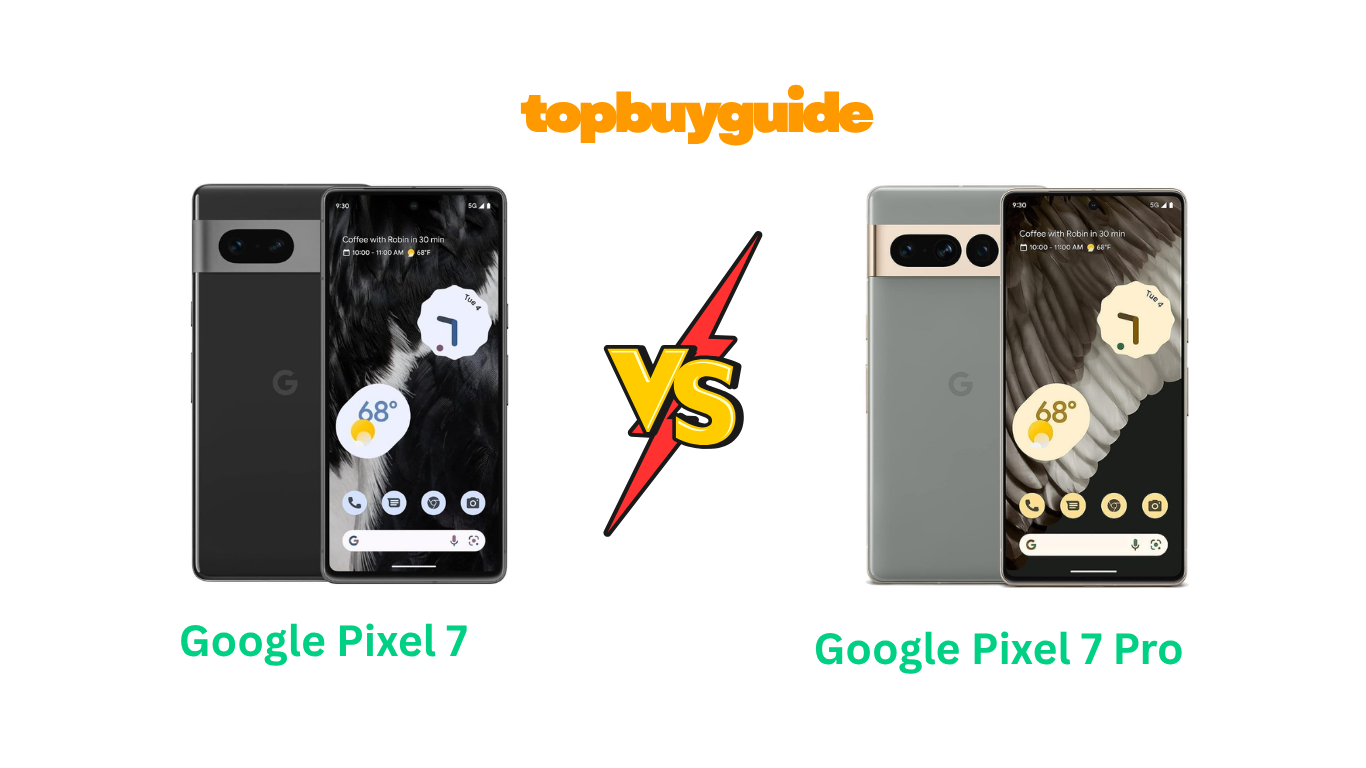
Choosing between Google’s Pixel 7 and Pixel 7 Pro can be challenging. Both phones pack impressive features powered by the Tensor G2 chip. However, the Pixel 7 Pro stands out with its superior camera system and larger display. The telephoto lens with 5x optical zoom and 30x Super Res Zoom makes it ideal for photography enthusiasts.
Additionally, the 6.7-inch QHD+ display with 120Hz refresh rate delivers smoother scrolling. If professional-grade photography and premium screen quality matter to you, the Pro justifies its higher price. These features create a noticeable experience upgrade over the standard Pixel 7.
Why Do I Recommend The Pixel 7 Pro?
The Pixel 7 Pro delivers exceptional value for users seeking flagship performance. Here’s why it outshines the standard Pixel 7:
- Superior Telephoto Camera: The Pro includes a 48MP telephoto lens with 5x optical zoom. In contrast, the Pixel 7 lacks this lens entirely. This means better portrait shots and distant subject capture.
- Larger, Sharper Display: The 6.7-inch QHD+ screen (1440×3120) surpasses the Pixel 7’s 6.3-inch FHD+ display (1080×2400). You’ll notice crisper text and more vivid colors.
- Smoother Refresh Rate: The 120Hz adaptive display feels more responsive than the Pixel 7’s 90Hz screen. Scrolling through apps becomes noticeably fluid and seamless.
- Enhanced Battery Capacity: With 5,000mAh versus 4,355mAh, the Pro lasts longer throughout busy days. Meanwhile, the Pixel 7 requires more frequent charging sessions.
- Macro Focus Capability: The upgraded ultrawide lens enables stunning close-up photography. Conversely, the standard Pixel 7 cannot capture macro shots with similar detail.
- More RAM: The Pro’s 12GB RAM handles multitasking better than the Pixel 7’s 8GB. Apps stay in memory longer, reducing reload times significantly.
- Brighter Display: Peak brightness reaches 1,500 nits compared to 1,400 nits on the Pixel 7. Outdoor visibility improves in direct sunlight conditions.
- Faster Wireless Charging: The Pro supports 23W wireless charging versus 20W on the standard model. This translates to quicker battery top-ups throughout the day.
Side By Side Comparison Chart: Pixel 7 vs Pixel 7 Pro
| Feature | Pixel 7 | Pixel 7 Pro |
| Display Size | 6.3 inches | 6.7 inches |
| Display Resolution | FHD+ (1080 x 2400) | QHD+ (1440 x 3120) |
| Refresh Rate | 90Hz | 120Hz (adaptive) |
| Rear Camera Setup | Dual (50MP + 12MP) | Triple (50MP + 12MP + 48MP) |
| Telephoto Lens | None | 48MP, 5x optical zoom |
| Super Res Zoom | Up to 8x | Up to 30x |
| Macro Focus | No | Yes |
| RAM | 8GB | 12GB |
| Battery Capacity | 4,355mAh | 5,000mAh |
| Peak Brightness | 1,400 nits | 1,500 nits |
| Wired Charging | 20W | 23W |
| Wireless Charging | 20W | 23W |
| Storage Options | 128GB, 256GB | 128GB, 256GB, 512GB |
| Dimensions | 155.6 x 73.2 x 8.7mm | 162.9 x 76.6 x 8.9mm |
| Weight | 197g | 212g |
| Camera Bar Finish | Matte aluminum | Polished aluminum |
| Exclusive Colors | Hazel | Lemongrass |
Features
Pixel 7
- Google Tensor G2 Processor: Delivers fast, efficient performance for daily tasks
- 50MP Main Camera: Captures stunning photos with Real Tone technology
- 12MP Ultrawide Camera: 114-degree field of view for landscapes
- 10.8MP Front Camera: High-quality selfies with Fixed Focus
- 6.3-inch FHD+ OLED Display: Vibrant colors and sharp details
- 90Hz Refresh Rate: Smooth scrolling and responsive touch
- 8GB RAM: Handles multitasking and app switching efficiently
- 128GB/256GB Storage: Ample space for photos and apps
- 4,355mAh Battery: All-day battery life with Adaptive Battery
- 20W Wired Charging: Quick power-ups when needed
- IP68 Rating: Water and dust resistance for durability
- Gorilla Glass Victus: Scratch-resistant front and back glass
- Titan M2 Security Chip: Enhanced device security
- Android 13: Clean software experience with guaranteed updates
- Stereo Speakers: Immersive audio quality
- 5G Connectivity: Fast mobile data speeds
Pixel 7 Pro
- Google Tensor G2 Processor: Same powerful chip as Pixel 7
- 50MP Main Camera: Identical sensor with Real Tone
- 12MP Ultrawide Camera: Wider 125.8-degree field of view
- 48MP Telephoto Camera: 5x optical zoom capability
- 10.8MP Front Camera: Same quality as Pixel 7
- 6.7-inch QHD+ OLED Display: Higher resolution for sharper visuals
- 120Hz Adaptive Refresh Rate: Ultra-smooth scrolling experience
- 12GB RAM: More memory for power users
- 128GB/256GB/512GB Storage: Extended storage options available
- 5,000mAh Battery: Larger capacity for extended use
- 23W Wired Charging: Slightly faster charging speed
- 30x Super Res Zoom: Extreme digital zoom capability
- Macro Focus: Close-up photography for tiny subjects
- IP68 Rating: Same water and dust protection
- Gorilla Glass Victus: Identical protection level
- Titan M2 Security Chip: Same security features
- Android 13: Identical software experience
- Stereo Speakers: Same audio quality
- 5G Connectivity: Identical network support
What Common Pixel 7 vs Pixel 7 Pro Features Can Do?
Google Tensor G2 Processor Performance
Both phones utilize Google’s second-generation Tensor G2 chip for exceptional performance. This processor excels at machine learning tasks and AI-powered features. Daily activities like browsing, messaging, and social media feel smooth and responsive. Gaming performance handles most titles without issues, though it trails Qualcomm’s latest chips. The Tensor G2 prioritizes user experience and computational photography over raw benchmark scores. Battery efficiency improves compared to the original Tensor chip from Pixel 6 series. Both devices maintain consistent performance without significant slowdowns during extended use.
Real Tone Photography Technology
Real Tone represents a breakthrough in smartphone photography for diverse skin tones. Google developed this technology to accurately capture all complexions without washing out darker tones. Both Pixel 7 models use identical algorithms to process photos with authentic colors. The feature works across all camera modes including portraits and night shots. Skin tones appear natural without artificial smoothing or unrealistic color correction. This makes both phones excellent choices for users who value accurate representation. Professional photographers and casual users alike appreciate the authentic results Real Tone delivers.
Cinematic Blur Video Recording
Cinematic Blur adds depth and professional quality to video recordings on both models. The feature automatically keeps subjects in focus while artistically blurring backgrounds. It mimics the shallow depth of field effect seen in movies and premium cameras. Both phones use the Tensor G2 chip to process this effect in real-time. Videos appear more dramatic and visually engaging with this capability enabled. The technology works in various lighting conditions, from bright outdoor scenes to indoor environments. Users can toggle the effect on or off during recording for creative flexibility.
IP68 Water and Dust Resistance
Both Pixel 7 models carry IP68 certification for environmental protection. This rating means they can survive submersion in 1.5 meters of water for 30 minutes. Dust cannot penetrate the devices under any circumstances with this rating level. The protection gives users peace of mind during rainy weather or near water bodies. However, water damage isn’t covered under warranty despite this certification rating. Both phones feature the same sealing technology and build quality for protection. Daily splashes, spills, and dusty environments pose no threat to either device.
Gorilla Glass Victus Protection
Corning’s Gorilla Glass Victus shields both phones from scratches and drops. This glass generation offers improved drop protection compared to previous versions. The material covers both the front display and rear panel on each model. It resists scratches from keys, coins, and other everyday items in pockets. However, the polished camera bar on the Pro shows scratches more easily than the matte finish on standard Pixel 7. Both phones benefit from the same level of screen protection and durability. Users should still consider cases and screen protectors for maximum protection.
Titan M2 Security Chip
The Titan M2 security chip provides hardware-level protection on both Pixel 7 models. This dedicated component handles sensitive operations like payment authentication and lock screen verification. It works alongside Android’s software security to create multiple protection layers. The chip stores encryption keys in a secure environment separate from the main processor. Both devices receive the same security benefits and update frequency from Google. Users can trust their personal data remains protected from sophisticated attack methods. The combination of Titan M2 and Tensor G2 delivers enterprise-grade security.
Android Software Experience
Both phones ship with Android 13 and receive identical software support from Google. Updates arrive first on Pixel devices before any other Android phones. Google guarantees three years of major OS updates and five years of security patches. The clean software experience lacks bloatware found on many competitor devices. Exclusive Pixel features include Call Screen, Hold for Me, and Magic Eraser. The user interface remains consistent across both models without performance differences. Both devices showcase Google’s vision for Android with seamless integration of services.
5G Connectivity Support
Both Pixel 7 models support Sub-6 GHz 5G networks across all major carriers. They work with AT&T, T-Mobile, Verizon, and smaller MVNOs without compatibility issues. The phones automatically switch between 4G LTE and 5G based on signal availability. Data speeds reach impressive levels when 5G coverage is strong and consistent. Battery impact from 5G remains minimal thanks to efficient Tensor G2 processor optimization. Both devices include all necessary bands for domestic and international 5G use. Users experience identical network performance regardless of which model they choose.
Common Features of Pixel 7 vs Pixel 7 Pro
| Feature | Pixel 7 | Pixel 7 Pro |
| Processor | Google Tensor G2 | Google Tensor G2 |
| Main Camera | 50MP (f/1.9) | 50MP (f/1.9) |
| Front Camera | 10.8MP (f/2.2) | 10.8MP (f/2.2) |
| Real Tone | Yes | Yes |
| Cinematic Blur | Yes | Yes |
| Magic Eraser | Yes | Yes |
| Photo Unblur | Yes | Yes |
| Night Sight | Yes | Yes |
| Security Chip | Titan M2 | Titan M2 |
| Water Resistance | IP68 | IP68 |
| Glass Protection | Gorilla Glass Victus | Gorilla Glass Victus |
| Stereo Speakers | Yes | Yes |
| Face Unlock | Yes (2D) | Yes (2D) |
| Fingerprint Scanner | In-display | In-display |
| 5G Support | Sub-6 GHz | Sub-6 GHz |
| Wi-Fi | Wi-Fi 6E | Wi-Fi 6E |
| Bluetooth | 5.2 | 5.2 |
| NFC | Yes | Yes |
| Operating System | Android 13 | Android 13 |
| OS Updates | 3 years | 3 years |
| Security Updates | 5 years | 5 years |
| Recycled Materials | ~19% by weight | ~19% by weight |
| Dual SIM | Nano + eSIM | Nano + eSIM |
A Detailed Comparison Of Pixel 7 vs Pixel 7 Pro
Display Size and Quality
The Pixel 7 features a 6.3-inch OLED display that fits comfortably in most hands. It delivers FHD+ resolution with 1080 x 2400 pixels for sharp text and images. The screen brightness peaks at 1,400 nits, ensuring visibility in direct sunlight. Colors appear vibrant and blacks look truly deep thanks to OLED technology.
The Pixel 7 Pro boasts a larger 6.7-inch OLED panel for immersive viewing experiences. Its QHD+ resolution of 1440 x 3120 pixels provides noticeably sharper details. Peak brightness reaches 1,500 nits, giving a slight edge in harsh lighting. The Pro’s display also features subtle curves at the edges for premium aesthetics.
Refresh Rate Performance
The standard Pixel 7 operates at a 90Hz refresh rate for smooth daily use. This represents a significant improvement over traditional 60Hz displays found on budget phones. Scrolling through social media feeds and websites feels fluid and responsive. However, the refresh rate remains fixed rather than adapting to content needs.
The Pixel 7 Pro incorporates LTPO technology with an adaptive 120Hz refresh rate. The screen intelligently adjusts from 1Hz to 120Hz based on displayed content. Static images drop to lower refresh rates to conserve battery power significantly. Fast-moving content automatically switches to 120Hz for buttery-smooth motion rendering.
Camera System Capabilities
The Pixel 7 includes a dual-camera setup with 50MP main and 12MP ultrawide lenses. The main sensor captures excellent photos in various lighting conditions with accurate colors. Its 114-degree ultrawide field of view handles group shots and landscapes effectively. Digital zoom maxes out at 8x Super Res Zoom with acceptable quality degradation.
The Pixel 7 Pro adds a 48MP telephoto lens with 5x optical zoom capability. This third camera transforms the phone into a professional photography tool for versatile shooting. The ultrawide lens offers a wider 125.8-degree field of view for expansive landscapes. Super Res Zoom extends to 30x, though quality suffers at maximum magnification levels.
Macro Photography Features
The standard Pixel 7 lacks dedicated macro photography capabilities in its camera system. Users must rely on the main sensor’s minimum focusing distance for close-up shots. Results often appear soft or out of focus when attempting extreme close-ups. Creative workarounds exist but don’t match dedicated macro mode quality and convenience.
The Pixel 7 Pro’s upgraded ultrawide lens includes autofocus for Macro Focus mode. This feature captures stunning details of small subjects like flowers, insects, and textures. The camera automatically switches to macro mode when detecting subjects within focusing range. Results showcase incredible sharpness and detail that rivals dedicated macro camera equipment.
Memory and Storage Options
The Pixel 7 ships with 8GB of LPDDR5 RAM for efficient multitasking performance. This memory amount handles typical usage patterns without noticeable slowdowns or app reloads. Storage choices include 128GB and 256GB variants without microSD expansion support. Most users find 128GB sufficient, but content creators may prefer 256GB capacity.
The Pixel 7 Pro includes 12GB of LPDDR5 RAM for superior multitasking capabilities. The extra memory keeps more apps active in background without forcing refreshes. Storage options expand to include a 512GB variant for power users and professionals. The additional RAM proves beneficial when editing large photos or running demanding applications.
Battery Life and Charging
The Pixel 7 contains a 4,355mAh battery that comfortably lasts through full days. Adaptive Battery technology learns usage patterns to optimize power consumption over time. Charging reaches 20W via USB-C and 20W wirelessly with compatible Pixel Stand. Extreme Battery Saver mode extends runtime up to 72 hours when needed.
The Pixel 7 Pro packs a larger 5,000mAh battery for extended endurance during heavy use. The extra capacity compensates for the power-hungry QHD+ display and higher refresh rate. Charging speeds increase slightly to 23W wired and 23W wireless for faster top-ups. Both phones lack the fastest charging speeds compared to Chinese competitor flagships.
Physical Design and Build
The Pixel 7 measures 155.6 x 73.2 x 8.7mm and weighs a manageable 197 grams. Its camera bar features a matte aluminum finish that resists visible scratches effectively. The flat display design appeals to users who dislike curved screen edges. Exclusive Hazel color offers a unique soft green aesthetic option.
The Pixel 7 Pro dimensions reach 162.9 x 76.6 x 8.9mm with a weight of 212 grams. Its polished aluminum camera bar looks premium but shows scratches more easily over time. Slightly curved display edges create a more refined, flagship appearance and feel. Exclusive Lemongrass color with gold camera bar provides distinctive visual appeal.
Price and Value Proposition
The Pixel 7 launched at $599 for 128GB and $699 for 256GB storage. This competitive pricing positions it against mid-range flagships from competing Android manufacturers. Frequent sales and carrier promotions often drop prices below $500 for excellent value. The phone delivers flagship features at an accessible price point for budget-conscious buyers.
The Pixel 7 Pro debuted at $899 for 128GB, $999 for 256GB, and higher for 512GB. The $300 premium over standard Pixel 7 brings substantial camera and display improvements. Sales and promotions occasionally reduce prices to under $800 for better value proposition. Photography enthusiasts and power users find the extra investment worthwhile for enhanced capabilities.
Conclusion
The Pixel 7 Pro emerges as the superior choice for demanding users seeking flagship excellence. Its telephoto camera with 5x optical zoom captures stunning photos that the standard model cannot match. The larger QHD+ display with 120Hz refresh rate delivers noticeably smoother, sharper visuals. With 5,000mAh battery capacity and 12GB RAM, it handles intensive tasks effortlessly throughout long days. The $300 premium proves justified when considering the substantial feature advantages. Click the link now to secure your Pixel 7 Pro before prices increase.
FAQs
Q: Is the Pixel 7 Pro worth the extra $300 over the Pixel 7?
A: Yes, if you value photography and display quality. The telephoto lens, macro mode, and 120Hz QHD+ screen significantly enhance user experience. Casual users may find the standard Pixel 7 sufficient for daily needs.
Q: How does battery life compare between the two models?
A: The Pixel 7 Pro’s larger 5,000mAh battery outlasts the Pixel 7’s 4,355mAh capacity. However, the Pro’s power-hungry display and processor offset some advantages. Both phones easily last full days with moderate use patterns.
Q: Can the Pixel 7 take macro photos like the Pro?
A: No, the standard Pixel 7 lacks Macro Focus capability entirely. The Pro’s upgraded ultrawide lens with autofocus enables stunning close-up photography. This feature alone appeals to nature and product photographers significantly.
Q: Which phone has better video recording quality?
A: Both phones record identical video quality with Cinematic Blur and stabilization features. The Pro’s telephoto lens provides more versatile framing options for videography. Neither phone matches competitors’ 8K recording capabilities currently available.
Q: Do both phones receive the same software updates?
A: Yes, Google guarantees three years of OS updates and five years of security patches for both models. Updates arrive simultaneously on both devices without feature differences. Software experience remains identical across the Pixel 7 lineup completely.
Q: How do the displays differ in real-world usage?
A: The Pixel 7 Pro’s QHD+ resolution and 120Hz refresh rate create noticeably smoother, sharper experiences. Text appears crisper and scrolling feels more fluid on the Pro model. The difference becomes apparent during extended daily use and media consumption.
Q: Is the camera difference noticeable for casual photography?
A: For basic photos, both phones perform similarly with excellent results in various conditions. The Pro excels when zooming, shooting portraits, or capturing distant subjects. Professional photographers benefit more from the Pro’s additional telephoto lens capabilities.
Q: Which phone is better for gaming?
A: The Pixel 7 Pro’s 12GB RAM and 120Hz display provide advantages for mobile gaming. Both phones handle most games well thanks to identical Tensor G2 processors. Serious gamers might prefer competitors with Snapdragon chips for better performance.

Alex Turner is a dedicated product researcher and reviewer at TopBuyGuide.com, known for his clear, honest, and data-driven insights. He spends countless hours testing, comparing, and analyzing products to help readers make confident and informed buying decisions.