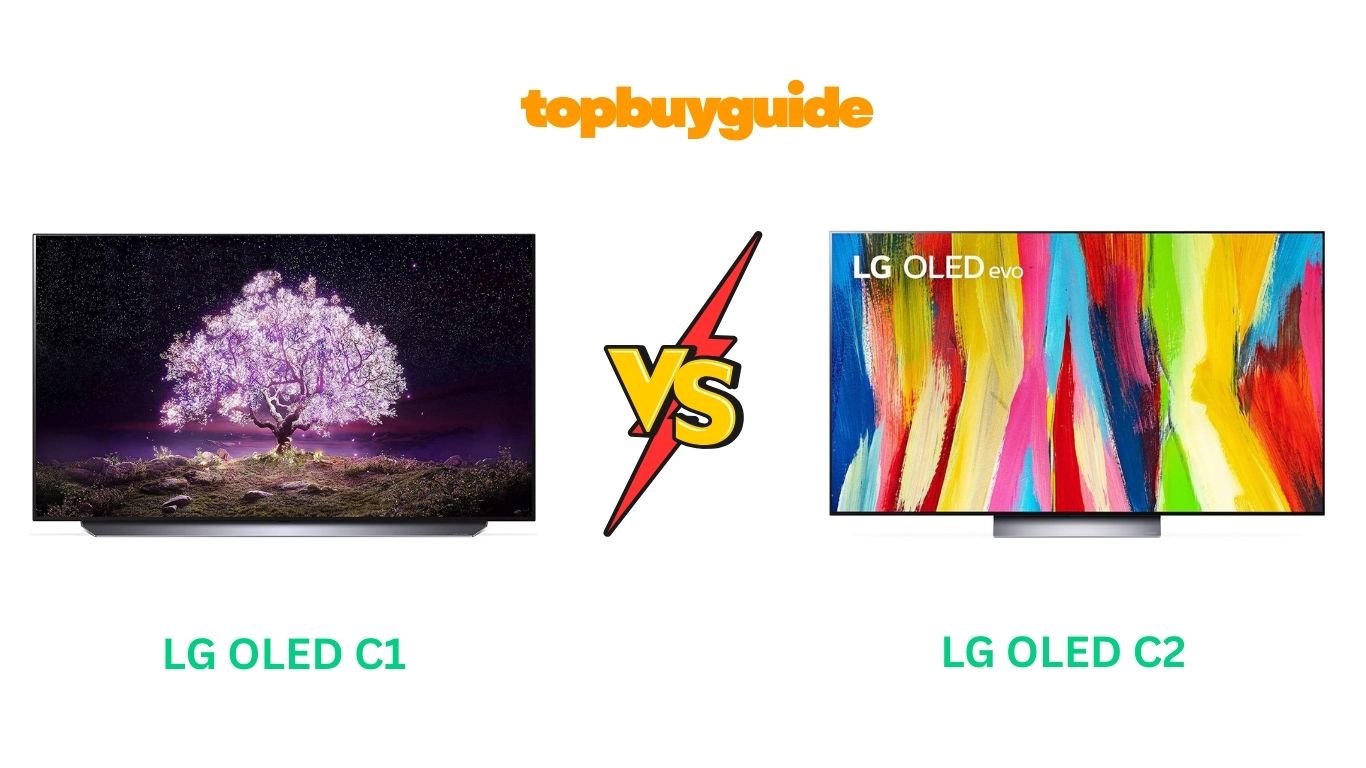
Choosing between the LG OLED C1 and C2 can be tough, as both are fantastic TVs. However, if you’re looking for the best overall value and performance, I recommend the LG OLED C2. It offers a significant leap in brightness and a more advanced processor, making it a worthy upgrade. This review will break down exactly why the C2 is the superior choice for most buyers.
Why Do I Recommend The LG C2?
While the LG C1 is still a phenomenal television, the LG C2 introduced several key upgrades that make it the better long-term investment. Here are the main reasons why the C2 stands out:
- Superior Brightness with OLED Evo: The most significant advantage of the LG C2 is its OLED Evo panel combined with the Brightness Booster feature. This allows the C2 to get noticeably brighter than the C1, which is a major benefit for viewing in well-lit rooms and enhances the impact of HDR content. While the C1 delivers stunning picture quality, the C2’s extra brightness makes colors pop even more and improves visibility during daytime viewing.
- Next-Generation Processor: The LG C2 is powered by the α9 Gen 5 AI Processor 4K. In contrast, the C1 uses the older α9 Gen 4 AI Processor. The newer Gen 5 chip offers more advanced AI upscaling, better object enhancement, and more sophisticated tone mapping. This results in a sharper, more refined picture, especially when watching lower-resolution content. The processor also improves sound processing, creating a more immersive virtual surround sound experience.
- Lighter and Sleeker Design: LG redesigned the C2 series, using a new composite fiber material that makes it significantly lighter than the C1. For example, the 65-inch C2 is nearly half the weight of the 65-inch C1 without the stand. This makes it much easier to unbox, set up, and wall-mount. The C2 also features even thinner bezels, giving it a more modern and immersive all-picture look.
- Enhanced Gaming Features: Both TVs are gaming powerhouses, but the LG C2 refines the experience. It maintains the 120Hz refresh rate, G-Sync, and FreeSync compatibility of the C1 but adds an updated Game Optimizer menu with a dedicated Dark Room Mode and a new preset for sports gaming. The improved processor also contributes to an even smoother gaming experience with incredibly low input lag.
- More Advanced WebOS: The LG C2 comes with webOS 22, which introduces personal profiles for each family member. This allows for customized content recommendations and home screens, a feature not available on the C1’s webOS 6.0. While the core functionality is similar, the C2’s operating system offers a more tailored and user-friendly experience.
- Better Sound Processing: With the α9 Gen 5 processor, the C2 can up-mix 2-channel audio into a virtual 7.1.2 surround sound. The C1, on the other hand, creates a virtual 5.1.2 mix. This gives the C2 a slight edge in creating a more expansive and convincing soundstage directly from its built-in speakers.
- Future-Proofing: As a newer model, the LG C2 is likely to receive software updates and support for a longer period than the C1. Investing in the C2 means you are getting more current technology that will remain relevant for years to come.
Side By Side Comparison Chart (LG OLED C1 vs C2)
| Feature | LG OLED C1 | LG OLED C2 |
| Processor | α9 Gen 4 AI Processor 4K | α9 Gen 5 AI Processor 4K |
| Panel Technology | Standard OLED (WBC) | OLED Evo (WBE) |
| Brightness | Standard OLED Brightness | Brighter with Brightness Booster |
| Weight (65-inch) | 71.9 lbs (with stand) | 37 lbs (with stand) |
| Design Material | Metal and plastic | Composite fiber material |
| Operating System | webOS 6.0 | webOS 22 (with user profiles) |
| Virtual Surround Sound | AI Sound Pro (Virtual 5.1.2) | AI Sound Pro (Virtual 7.1.2) |
| Bezels | Very thin | Thinner than C1 |
| Model Year | 2021 | 2022 |
| New Sizes Available | No | 42-inch model introduced |
What Common Features Can LG OLED C1 vs C2 Do?
Despite their differences, the LG C1 and C2 share a core DNA that makes them both exceptional OLED TVs. If you’re considering either model, you can expect to enjoy a premium suite of features that deliver outstanding performance across the board. These are technologies that LG perfected and carried over from one generation to the next, ensuring a high-quality experience no matter which you choose. Here’s a detailed look at the powerful features common to both models.
4K Resolution and Infinite Contrast
At the heart of both the LG C1 and C2 is the revolutionary OLED display technology. Unlike traditional LED TVs that use a backlight, OLED (Organic Light Emitting Diode) TVs feature self-lit pixels. Each of the over 8 million pixels in these 4K displays can turn on and off independently. This capability is what allows both TVs to achieve what is called “infinite contrast.” When a scene requires pure black, the pixels in that area simply turn off completely, producing a perfect, inky black with zero light bleed. This makes bright colors and details in the same frame appear even more vibrant and striking. This fundamental technology ensures that both the C1 and C2 deliver a breathtakingly realistic and immersive picture that LED TVs struggle to match. Whether you’re watching a dark scene in a sci-fi thriller or a colorful nature documentary, the pixel-level control provides unparalleled depth and clarity.
120Hz Native Refresh Rate
For viewers who demand smooth motion, both the LG C1 and C2 are equipped with a native 120Hz refresh rate panel. This means the screen can refresh the image 120 times per second, which is double the standard 60Hz found on many other TVs. This higher refresh rate is a game-changer for several types of content. For sports, fast-moving action like a football game or a car race appears clearer and less blurry. For movies, particularly those with fast-paced action sequences, the motion is fluid and natural. Most importantly for gamers, the 120Hz panel allows next-generation consoles like the PlayStation 5 and Xbox Series X to run games at up to 120 frames per second (FPS). This results in an incredibly responsive and fluid gaming experience, giving players a competitive edge. This feature is a cornerstone of the C-series’ appeal to a wide range of users.
Ultimate Gaming Capabilities
LG has established its OLED C-series as the go-to TV for serious gamers, and both the C1 and C2 are packed with features to justify this reputation. Both models support all the key gaming technologies you could want. They are certified as NVIDIA G-SYNC Compatible and support AMD FreeSync Premium, two variable refresh rate (VRR) technologies that synchronize the TV’s refresh rate with the game’s frame rate to eliminate screen tearing. They also feature Auto Low Latency Mode (ALLM), which automatically switches the TV to its low-lag Game Mode when a console is detected. Both TVs boast four HDMI 2.1 ports, which are essential for 4K gaming at 120Hz. Furthermore, the Game Optimizer menu, present on both models, provides a central hub to quickly adjust gaming-specific settings, such as black stabilizer and VRR status, without leaving your game.
Dolby Vision IQ and Dolby Atmos
To provide a complete home cinema experience, both the LG C1 and C2 support the industry’s leading HDR and audio formats: Dolby Vision IQ and Dolby Atmos. Dolby Vision is an advanced HDR format that optimizes picture quality on a scene-by-scene basis, providing more accurate colors and contrast than standard HDR10. The “IQ” part takes this a step further by using a built-in light sensor to adjust the Dolby Vision picture based on the ambient lighting in your room, ensuring the best possible image day or night. On the audio side, Dolby Atmos creates an immersive, three-dimensional soundscape where sound feels like it’s coming from all around you, including overhead. While the built-in speakers offer a good demonstration of this, pairing either TV with a Dolby Atmos-compatible soundbar via the eARC port unlocks a truly cinematic audio experience.
Filmmaker Mode
For the movie purists, both the LG C1 and C2 include Filmmaker Mode. This picture preset was developed in collaboration with Hollywood directors to present movies exactly as they were intended to be seen in the editing suite. When enabled, Filmmaker Mode disables post-processing effects like motion smoothing (often called the “soap opera effect”) and adjusts the picture’s color, aspect ratio, and frame rate to match the original source. This ensures you’re watching the film with the director’s artistic vision intact. It’s a simple, one-click feature that demonstrates LG’s commitment to delivering an authentic cinematic experience, and it’s a valued feature on both of these excellent TVs.
Smart TV with ThinQ AI and Magic Remote
Both models run on LG’s intuitive webOS smart platform and come with the acclaimed Magic Remote. This remote works like a motion-controlled wand, allowing you to point, click, and scroll through menus, making navigation faster than with traditional remotes. It also features a built-in microphone for voice commands, with support for both Google Assistant and Amazon Alexa. LG’s ThinQ AI is integrated into the platform, offering intelligent content recommendations and smart home device control directly from the TV’s home dashboard. You can easily access all your favorite streaming apps, including Netflix, Prime Video, Disney+, Apple TV+, and hundreds of free LG Channels, ensuring you’re never short on content to watch.
Common Features of LG OLED C1 vs C2
| Feature | LG OLED C1 | LG OLED C2 |
| Display Technology | 4K OLED | 4K OLED |
| Contrast | Infinite (Self-Lit Pixels) | Infinite (Self-Lit Pixels) |
| Refresh Rate | 120Hz Native | 120Hz Native |
| Gaming Support | G-SYNC, FreeSync, VRR, ALLM | G-SYNC, FreeSync, VRR, ALLM |
| HDMI Ports | 4 x HDMI 2.1 | 4 x HDMI 2.1 |
| HDR Support | Dolby Vision IQ, HDR10, HLG | Dolby Vision IQ, HDR10, HLG |
| Audio Support | Dolby Atmos | Dolby Atmos |
| Picture Mode | Filmmaker Mode | Filmmaker Mode |
| Smart Platform | webOS with ThinQ AI | webOS with ThinQ AI |
| Remote Control | Magic Remote | Magic Remote |
| Voice Assistants | Google Assistant & Alexa Built-in | Google Assistant & Alexa Built-in |
A Detailed Comparison Of the LG OLED C1 vs C2
Brightness and Picture Quality
The LG OLED C1 already delivered what many considered a near-perfect picture, with its infinite contrast and vibrant colors. Its self-lit pixel technology produces deep, true blacks that make every other color stand out. However, one common critique of OLED technology has been its peak brightness, especially when compared to high-end LED TVs. In bright rooms, the image could sometimes appear a bit dim or washed out.
The LG OLED C2 directly addresses this with its groundbreaking OLED Evo panel and Brightness Booster technology. This combination allows the C2 to achieve approximately 20% higher peak brightness than the C1. This enhancement is immediately noticeable in two key areas. First, HDR content has significantly more impact. Bright highlights in a scene, like explosions, sunlight, or reflections, “pop” with greater intensity, creating a more dynamic and realistic image. Second, the C2 performs much better in rooms with ambient light. The added brightness helps to overcome glare and makes for a more enjoyable viewing experience during the day without having to close the curtains. While the C1 is fantastic for dark-room viewing, the C2 is the more versatile TV for all lighting conditions.
Processor and AI Performance
The processor is the brain of a smart TV, and the LG C2 gets a significant upgrade with the α9 Gen 5 AI Processor 4K. The LG C1 uses the previous-generation α9 Gen 4, which is still a highly capable chip. Both processors use AI to analyze and optimize picture and sound quality in real time. However, the Gen 5 processor in the C2 introduces more advanced algorithms for picture enhancement.
The C2’s processor features Dynamic Tone Mapping Pro, an improvement over the standard Dynamic Tone Mapping in the C1. It analyzes over 5,000 blocks of the image (compared to a much smaller number in the C1) to apply individual HDR enhancements, resulting in more detailed and nuanced HDR performance. The upscaling is also more refined on the C2, making 1080p and other sub-4K content look sharper and closer to native 4K. On the audio front, the C2’s processor can create a more immersive virtual 7.1.2 channel soundscape from a 2-channel source, whereas the C1 is limited to virtual 5.1.2 surround sound. This gives the C2’s built-in audio a fuller, more expansive feel.
Design and Build
At a glance, the LG C1 and C2 look similar, with their impossibly thin panels and minimalist stands. However, LG made a significant change in the materials used for the C2. The C1 features a mix of metal and plastic and is quite heavy. For instance, the 65-inch C1 weighs around 72 pounds with its stand.
The LG C2, in contrast, is constructed from a new composite fiber material that dramatically reduces its weight. The 65-inch C2 weighs just 37 pounds with its stand—nearly half the weight of its predecessor. This makes the C2 much easier to handle during setup, especially if you plan to wall-mount it. Additionally, the bezels on the C2 are even slimmer than the already thin ones on the C1, creating an even more immersive, all-picture aesthetic that draws you into the content without distraction. If ease of installation and a cutting-edge, lightweight design are important to you, the C2 is the clear winner.
Gaming Performance
Both the LG C1 and C2 are at the pinnacle of TV gaming performance. They share the most critical features for next-gen gaming: a 120Hz native panel, four HDMI 2.1 ports for 4K@120Hz gameplay, and support for both NVIDIA G-SYNC and AMD FreeSync Premium VRR technologies. Input lag on both TVs is exceptionally low, making them feel incredibly responsive for competitive gaming.
However, the LG C2 makes some subtle but meaningful refinements. The Game Optimizer menu on the C2 includes a new Dark Room Mode, which adjusts the picture for comfortable gaming in low light, and a preset for sports games. Cloud gaming is also more integrated, with direct access to services like GeForce Now. The more powerful α9 Gen 5 processor also contributes to the C2’s flawless motion handling and responsiveness, giving it a slight edge. For the vast majority of gamers, both TVs will be a dream, but the C2 offers a slightly more polished and feature-rich experience.
Conclusion
While the LG OLED C1 remains an excellent TV that won’t disappoint, the LG OLED C2 is undeniably the superior choice for most people. The improvements in brightness, thanks to the OLED Evo panel, make it more versatile for different room environments and add significant punch to HDR content. The lighter, sleeker design makes it more practical, and the more advanced α9 Gen 5 processor ensures better picture and sound processing. For a relatively small price difference, the C2 offers a meaningful upgrade that you’ll appreciate for years to come.
Frequently Asked Questions (FAQs)
- Is the LG C2 much brighter than the C1?
Yes, the LG C2 is noticeably brighter. Thanks to its OLED Evo panel and Brightness Booster technology, it can achieve about 20% higher peak brightness than the C1. This makes a significant difference in rooms with ambient light and enhances the visual impact of HDR content. - Is it worth upgrading from a C1 to a C2?
If you already own a C1, the upgrade to a C2 may not be necessary unless you are very sensitive to screen brightness or want the absolute latest technology. However, if you are buying a new TV, the C2 is the better investment for its performance and feature enhancements. - Are both TVs good for gaming on PS5 and Xbox Series X?
Absolutely. Both the LG C1 and C2 are considered top-tier gaming TVs. They both feature four HDMI 2.1 ports, 4K@120Hz support, VRR (G-Sync and FreeSync), and extremely low input lag, making them perfect for next-generation consoles. - What is the main design difference between the LG C1 and C2?
The main design difference is the weight and materials. The C2 uses a lightweight composite fiber material, making it almost half the weight of the C1. This makes it much easier to set up and wall-mount. The C2 also has slightly thinner bezels for a more immersive look. - How is the sound quality on the C2 compared to the C1?
The C2 has a slight edge in sound quality due to its more advanced processor. The α9 Gen 5 chip can up-mix audio into a virtual 7.1.2 channel surround sound, while the C1’s processor creates a virtual 5.1.2 mix. This gives the C2 a more expansive and immersive soundstage from its built-in speakers. - Do I need to worry about OLED burn-in on these models?
Both the C1 and C2 include features to mitigate burn-in, such as pixel shifting and logo luminance adjustment. While the risk is very low with varied content, it’s still best to avoid leaving static images (like news tickers or game HUDs) on the screen for extended periods at high brightness. The C2’s Evo panel is also designed to be more durable, potentially reducing the risk further. - Does the C2’s webOS 22 offer big advantages over the C1’s webOS 6.0?
The biggest advantage of webOS 22 on the C2 is the introduction of user profiles. This allows for personalized recommendations and layouts for different family members. Otherwise, the core functionality and app availability are very similar between the two operating systems. - Which TV is better value for the money?
While the LG C1 is cheaper, the LG C2 generally offers better value for the money. The significant improvements in brightness, processing, and design justify the modest price increase. The C2 is a more future-proof television that provides a superior viewing experience in more conditions.

Alex Turner is a dedicated product researcher and reviewer at TopBuyGuide.com, known for his clear, honest, and data-driven insights. He spends countless hours testing, comparing, and analyzing products to help readers make confident and informed buying decisions.