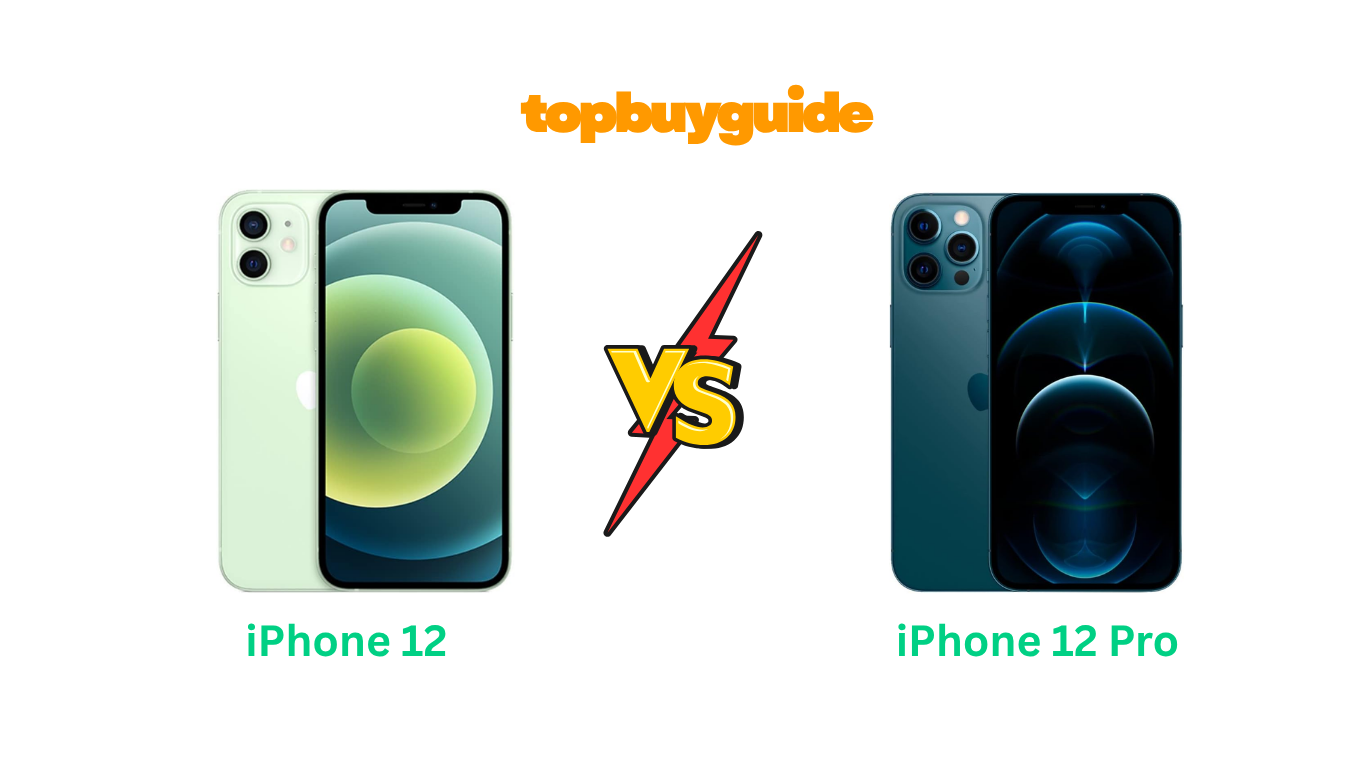
Choosing between the iPhone 12 and iPhone 12 Pro can feel overwhelming. Both phones share Apple’s flagship DNA, yet distinct differences set them apart. After thorough testing and comparison, I recommend the iPhone 12 for most buyers. It delivers flagship performance at $200 less while offering nearly identical core features.
The Pro model’s camera upgrades only matter to photography enthusiasts who need professional-grade tools. Let’s explore why the standard iPhone 12 offers superior value.
Why Do I Recommend The iPhone 12?
The iPhone 12 stands as the smarter choice for the average user. Here’s why this model makes more financial sense without compromising on essential features:
- Exceptional Value Proposition: The iPhone 12 costs $200 less than the Pro while delivering the same A14 Bionic chip. In contrast, the Pro’s premium price only adds specialized camera features.
- Lighter and More Comfortable: Weighing just 164 grams, the iPhone 12 feels noticeably lighter than the 189-gram Pro. This 25-gram difference makes all-day use more comfortable, especially during extended calls.
- Identical Display Quality: Both phones feature the same stunning 6.1-inch Super Retina XDR OLED display. The Pro’s slightly higher brightness rarely matters in daily use, making this difference negligible.
- More Color Options: The iPhone 12 offers vibrant colors including blue, green, red, white, and black. Meanwhile, the Pro limits you to more subdued silver, graphite, gold, and Pacific Blue finishes.
- Same Core Performance: Both models run the powerful A14 Bionic processor seamlessly. The Pro’s extra 2GB RAM doesn’t translate to noticeable speed differences in everyday tasks.
- Practical Storage Options: The iPhone 12’s 64GB base model suits most users perfectly fine. You can upgrade to 128GB or 256GB while still spending less than the Pro’s starting price.
- Future-Proof 5G Connectivity: Both phones support the same 5G capabilities with sub-6GHz and mmWave frequencies. You won’t sacrifice next-generation network speeds by choosing the standard model.
- MagSafe Compatibility: The iPhone 12 includes the same MagSafe wireless charging technology as the Pro. This feature enables magnetic accessories and faster wireless charging without premium pricing.
Side By Side Comparison Chart: iPhone 12 vs 12 Pro
| Feature | iPhone 12 | iPhone 12 Pro |
| Starting Price | $799 | $999 |
| Build Materials | Aluminum frame, glossy glass back | Stainless steel frame, matte glass back |
| Weight | 164g | 189g |
| Color Options | Black, White, Blue, Green, Red | Silver, Graphite, Gold, Pacific Blue |
| Rear Camera System | Dual camera (Wide, Ultra Wide) | Triple camera (Wide, Ultra Wide, Telephoto) |
| LiDAR Scanner | No | Yes |
| Optical Zoom | 2x zoom out | 2x zoom in, 2x zoom out (4x range) |
| ProRAW Support | No | Yes |
| Dolby Vision HDR | Up to 30 fps | Up to 60 fps |
| RAM | 4GB | 6GB |
| Storage Options | 64GB, 128GB, 256GB | 128GB, 256GB, 512GB |
| Typical Display Brightness | 625 nits | 800 nits |
| Peak Brightness | 1200 nits | 1200 nits |
What Common Features Can iPhone 12 vs 12 Pro Do?
Both the iPhone 12 and 12 Pro share remarkable similarities that deliver flagship experiences. Understanding these common features helps you appreciate what you’re not sacrificing with either choice.
Display Excellence
Both models feature identical 6.1-inch Super Retina XDR OLED displays with 2532 x 1170 resolution. This translates to 460 pixels per inch for crystal-clear visuals. The screens support HDR content, True Tone technology, and P3 wide color gamut. Whether you’re watching movies or editing photos, both displays deliver vibrant, accurate colors. The Ceramic Shield front cover provides four times better drop protection than previous iPhone models.
Processing Power
The A14 Bionic chip powers both devices with exceptional performance. This 5-nanometer processor contains 11.8 billion transistors for lightning-fast operations. Apple designed this chip to handle demanding tasks like gaming and video editing effortlessly. The Neural Engine processes 11 trillion operations per second for advanced machine learning. Both phones deliver smooth performance that will remain relevant for years.
5G Connectivity
Both models support comprehensive 5G networks including sub-6GHz and mmWave frequencies. Smart Data Mode automatically switches between 4G and 5G to conserve battery life. This feature ensures you enjoy blazing-fast speeds when needed without draining power unnecessarily. The 5G capability future-proofs your investment as networks continue expanding globally.
Camera Fundamentals
Both phones include 12MP wide and ultra-wide cameras with Night mode capabilities. The wide camera features a seven-element lens that captures 27% more light in low-light conditions. Night mode works across all cameras for stunning low-light photography. Both support 4K video recording at 24, 30, or 60 fps. Deep Fusion technology combines multiple exposures for incredible detail and texture.
Battery and Charging
Both models deliver similar battery performance with approximately 11 hours of video streaming. They support fast charging that reaches 50% in just 30 minutes with a 20W adapter. MagSafe wireless charging provides up to 15W of power with magnetic alignment. Standard Qi wireless charging also works at up to 7.5W. Neither phone includes a charger in the box.
Design Language
Both phones feature Apple’s stunning flat-edge design reminiscent of the iPhone 4 and 5. The aluminum or stainless steel sides create a premium, industrial aesthetic. Both measure exactly 146.7mm tall, 71.5mm wide, and 7.4mm thick. The IP68 water resistance rating protects against submersion in six meters of water for 30 minutes.
Face ID Security
Both models use the same advanced Face ID system for secure authentication. The TrueDepth camera system maps your face with precision using infrared technology. Face ID works seamlessly for unlocking your phone, authorizing payments, and accessing secure apps. The technology adapts to changes in your appearance over time.
iOS Experience
Both phones run iOS smoothly with all the latest features and updates. You get the same app ecosystem, privacy protections, and software innovations. iCloud integration keeps your data synchronized across all Apple devices. Regular software updates ensure both phones remain secure and feature-rich for years.
Common Features of iPhone 12 vs 12 Pro
| Feature | iPhone 12 | iPhone 12 Pro |
| Display Size | 6.1-inch Super Retina XDR OLED | 6.1-inch Super Retina XDR OLED |
| Resolution | 2532 x 1170 (460 ppi) | 2532 x 1170 (460 ppi) |
| Processor | A14 Bionic chip | A14 Bionic chip |
| Front Camera | 12MP TrueDepth | 12MP TrueDepth |
| Wide Camera | 12MP, f/1.6, OIS | 12MP, f/1.6, OIS |
| Ultra Wide Camera | 12MP, f/2.4 | 12MP, f/2.4 |
| Night Mode | Yes, all cameras | Yes, all cameras |
| 4K Video | 24, 30, 60 fps | 24, 30, 60 fps |
| 5G Support | Sub-6GHz, mmWave | Sub-6GHz, mmWave |
| MagSafe | Up to 15W | Up to 15W |
| Water Resistance | IP68 (6m for 30 min) | IP68 (6m for 30 min) |
| Face ID | Yes | Yes |
| Ceramic Shield | Yes | Yes |
| Operating System | iOS 14 (upgradeable) | iOS 14 (upgradeable) |
A Detailed Comparison Of iPhone 12 vs 12 Pro
Build Quality and Materials
The iPhone 12 features an aerospace-grade aluminum frame paired with glossy glass on the back. This construction feels premium while keeping the device lightweight at 164 grams. The aluminum resists fingerprints better and maintains its appearance over time. The iPhone 12 Pro uses surgical-grade stainless steel with a polished finish and matte glass back. This adds 25 grams, making it noticeably heavier at 189 grams. The stainless steel attracts fingerprints quickly and requires frequent cleaning.
Camera System Capabilities
The iPhone 12 offers a dual-camera system with 12MP wide and ultra-wide lenses. This setup handles most photography scenarios beautifully, from landscapes to portraits. The wide camera’s f/1.6 aperture excels in low light situations. The iPhone 12 Pro adds a 12MP telephoto lens with 2x optical zoom capability. This extra lens provides 4x optical zoom range for greater shooting flexibility. The Pro also includes a LiDAR scanner for enhanced autofocus and AR experiences.
Photography Features
The iPhone 12 captures stunning photos with computational photography and Night mode. Smart HDR 3 automatically optimizes exposure and color across multiple subjects. Portrait mode creates professional-looking depth effects using machine learning algorithms. The iPhone 12 Pro offers Apple ProRAW format for advanced post-processing control. This combines RAW flexibility with Apple’s computational photography benefits. Dolby Vision HDR video recording reaches 60 fps on the Pro versus 30 fps on the standard model.
Display Brightness
The iPhone 12 delivers 625 nits of typical maximum brightness for most viewing scenarios. This proves sufficient for outdoor use in most lighting conditions. Peak brightness reaches 1200 nits when displaying HDR content like movies and photos. The iPhone 12 Pro offers 800 nits of typical brightness for slightly better outdoor visibility. Peak brightness remains identical at 1200 nits for HDR content. Most users won’t notice this difference in real-world usage.
RAM and Performance
The iPhone 12 includes 4GB of RAM, which handles multitasking smoothly for typical usage. Apps stay in memory longer, and switching between them feels instantaneous. This amount proves adequate for gaming, social media, and productivity applications. The iPhone 12 Pro features 6GB of RAM for enhanced multitasking capabilities. Professional photography apps and intensive editing workflows benefit from the extra memory. However, everyday users rarely notice performance differences between 4GB and 6GB.
Storage Configuration
The iPhone 12 starts at 64GB for $799, which suits light users well. The 128GB option costs $849, and 256GB reaches $949 for extensive storage needs. Most people find 128GB perfectly adequate for apps, photos, and videos. The iPhone 12 Pro begins at 128GB for $999, skipping the 64GB entry point. It offers 256GB and 512GB options for professional content creators. The Pro’s higher starting storage justifies some of the price premium.
Color and Finish Options
The iPhone 12 comes in five vibrant colors that express personal style. Blue, green, and red options stand out with bold, eye-catching finishes. Black and white provide classic, timeless aesthetics for conservative preferences. The iPhone 12 Pro offers four sophisticated colors with a more professional appearance. Pacific Blue became particularly popular for its unique, premium look. Silver, graphite, and gold provide traditional luxury aesthetics.
LiDAR Technology
The iPhone 12 lacks a LiDAR scanner, which doesn’t impact most photography scenarios. Autofocus works quickly in most lighting conditions without this technology. AR applications function well using standard camera and software capabilities. The iPhone 12 Pro’s LiDAR scanner measures distance using light detection and ranging. This enables faster autofocus in extremely low light and improves Night mode portraits. AR apps become more realistic and responsive with instant room mapping.
Video Recording Quality
The iPhone 12 records Dolby Vision HDR video at up to 30 frames per second. This delivers cinematic quality with enhanced dynamic range and color accuracy. The wide camera includes optical image stabilization for smooth, shake-free footage. The iPhone 12 Pro captures Dolby Vision HDR at up to 60 fps for even smoother video. This makes a noticeable difference when recording fast-moving subjects or action scenes. Professional videographers appreciate the additional frame rate flexibility.
Weight and Portability
The iPhone 12’s 164-gram weight makes it comfortable for extended one-handed use. You’ll barely notice it in your pocket throughout the day. The lighter weight reduces hand fatigue during long calls or gaming sessions. The iPhone 12 Pro weighs 189 grams due to its stainless steel construction. This 25-gram difference becomes noticeable during extended use periods. Some users prefer the heftier feel as it conveys premium quality.
Conclusion
The iPhone 12 emerges as the clear winner for value-conscious buyers. It delivers flagship performance, stunning display quality, and excellent cameras at $200 less. Most users won’t benefit from the Pro’s telephoto lens or LiDAR scanner. The lighter weight and vibrant color options enhance daily usability significantly. Unless you’re a professional photographer needing ProRAW and advanced zoom, choose the iPhone 12. Your wallet will thank you while enjoying nearly identical flagship experiences.
FAQs
Q: Is the iPhone 12 camera good enough for everyday photography?
Yes, the iPhone 12’s dual-camera system excels at everyday photography with excellent low-light performance. Night mode, Smart HDR 3, and computational photography deliver professional-looking results. Most users find the wide and ultra-wide lenses sufficient for capturing memories.
Q: Does the iPhone 12 Pro’s extra RAM make a noticeable difference?
For typical users, the 2GB RAM difference remains imperceptible in daily usage. Both phones handle multitasking, gaming, and apps smoothly. Professional photographers and video editors may benefit slightly from the Pro’s 6GB during intensive editing workflows.
Q: Which phone has better battery life?
Both phones offer nearly identical battery performance with approximately 11 hours of video streaming. Real-world usage shows minimal differences between the models. Battery life depends more on individual usage patterns than the phone model chosen.
Q: Is the stainless steel frame worth the extra cost?
The stainless steel frame looks premium but attracts fingerprints constantly and adds weight. Most users find aluminum more practical for daily use. The aesthetic preference matters more than any functional advantage of stainless steel.
Q: Can the iPhone 12 take portrait mode photos?
Yes, the iPhone 12 captures stunning portrait mode photos using computational photography. The single camera achieves excellent depth effects without requiring a dedicated telephoto lens. Portrait mode works on both people and objects with impressive results.
Q: Should professional photographers choose the iPhone 12 Pro?
Professional photographers benefit from the Pro’s telephoto lens, LiDAR scanner, and Apple ProRAW format. These features provide greater creative control and shooting flexibility. The higher frame rate Dolby Vision video also proves valuable for content creators.
Q: Do both phones support 5G networks?
Both phones fully support 5G connectivity including sub-6GHz and faster mmWave frequencies. Smart Data Mode optimizes battery life by switching intelligently between networks. You won’t sacrifice 5G capabilities by choosing the standard iPhone 12.
Q: How long will these phones receive iOS updates?
Apple typically supports iPhones with iOS updates for five to six years. Both phones launched with iOS 14 and continue receiving the latest updates. They should receive iOS updates until at least 2026 or beyond.

Alex Turner is a dedicated product researcher and reviewer at TopBuyGuide.com, known for his clear, honest, and data-driven insights. He spends countless hours testing, comparing, and analyzing products to help readers make confident and informed buying decisions.