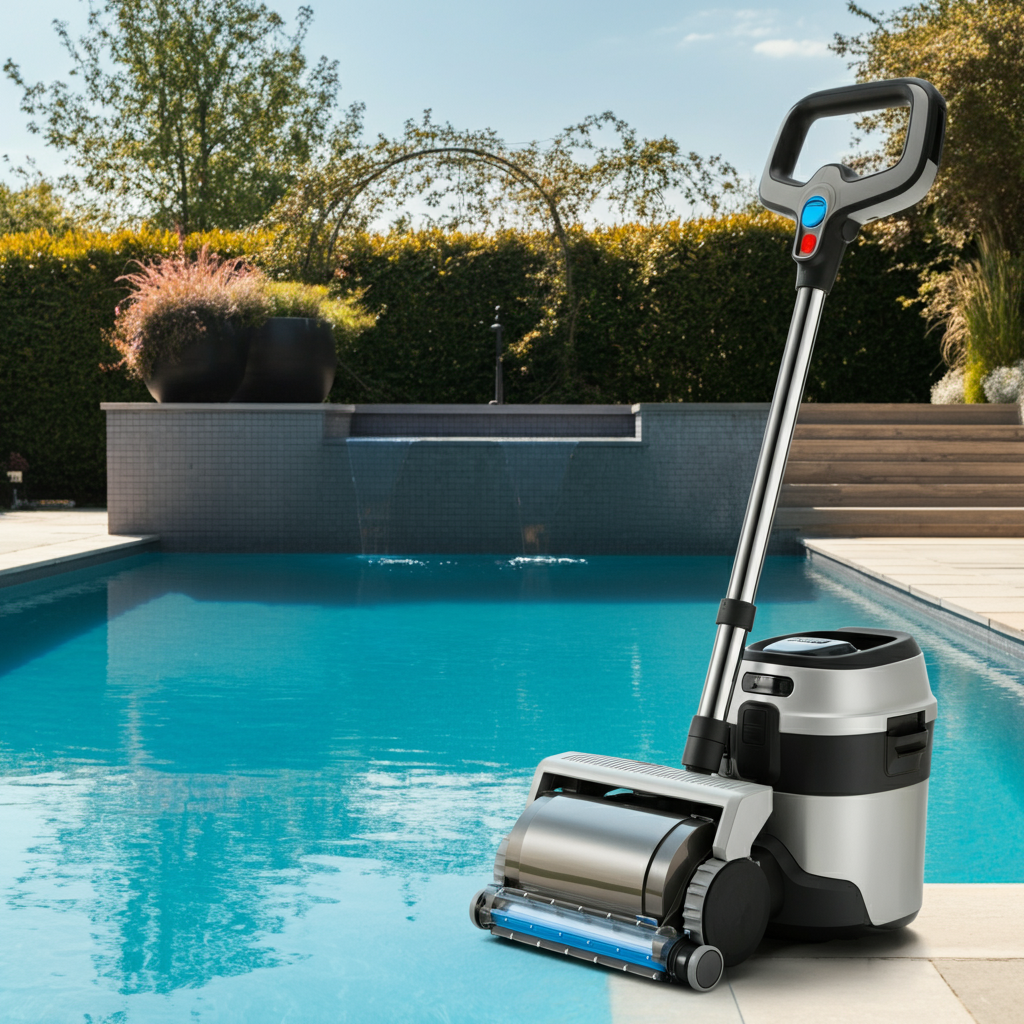
How to Choose the Perfect Pool Vacuum?
A sparkling clean pool is the centerpiece of summer fun, but keeping it that way requires the right tools. While skimming the surface for leaves is straightforward, dealing with the dirt, algae, and debris that settle on the floor and walls is a different challenge. This is where a good pool vacuum becomes your most valuable player. With so many options on the market, choosing the right one can feel overwhelming.
This guide will walk you through everything you need to know to select the best vacuum cleaner for your pool. We’ll explore the different types available, weigh their pros and cons, and help you understand the key factors to consider. By the end, you’ll have the confidence to choose a cleaner that saves you time and effort, leaving you with more moments to simply enjoy the water.
First, What Type of Pool Do You Have?
Before diving into the vacuums themselves, it’s crucial to understand your pool’s specifications. The type of pool you own will significantly narrow down your choices.
In-Ground Pools
In-ground pools are typically made from concrete, fiberglass, or vinyl. They are permanent structures and often have more complex shapes, deeper ends, and integrated steps or ledges. Their size and depth require powerful cleaning solutions that can handle larger surface areas and navigate varied terrain. Cleaners for in-ground pools are generally more robust and feature-rich.
Above-Ground Pools
Above-ground pools are more temporary and usually have flat bottoms and uniform depths. They are typically made with vinyl liners and steel or resin frames. Their simpler construction means they often require less powerful—and less expensive—cleaning equipment. Some vacuums are designed specifically for the delicate vinyl liners and flat surfaces of these pools.
Understanding the Types of Pool Vacuums
Pool cleaners are not a one-size-fits-all product. They fall into three main categories: manual, suction-side, and robotic. Each type has a unique way of operating and comes with its own set of advantages and disadvantages.
1. Manual Pool Vacuums
This is the old-school, hands-on method. A manual vacuum consists of a vacuum head attached to a long telescopic pole, with a hose connecting it to your pool’s skimmer. The pool’s own filtration system provides the suction, pulling debris from the pool floor into the filter basket.
How It Works:
You physically guide the vacuum head across the floor and walls of your pool, much like vacuuming a carpet. The water and debris are sucked through the hose, into the skimmer, and then to the pool filter.
Pros:
- Affordable: Manual vacuums are the least expensive option upfront.
- Thorough Cleaning: Since you are in control, you can target specific problem areas and ensure no spot is missed.
- Good for Small Pools: They are an effective and economical choice for small above-ground pools or spas.
Cons:
- Labor-Intensive: This method requires significant time and physical effort. Cleaning a large pool can be a serious workout.
- Relies on Pool Pump: The vacuum’s effectiveness is tied to the strength of your pool’s pump and filtration system.
- Adds Wear to Filter: It sends all debris directly to your pool filter, which means you’ll need to backwash or clean the filter more frequently.
2. Automatic Suction-Side Cleaners
Suction-side cleaners are a step up from manual vacuums, offering an automated cleaning experience. Like manual vacuums, they connect via a hose to your pool’s skimmer or a dedicated suction line and use the pool’s pump for power. They move randomly around the pool floor and walls, sucking up debris as they go.
How It Works:
Once connected, the cleaner uses the suction from the pump to move itself around the pool and collect dirt. Think of it as a small, water-powered robot that roams your pool interior.
Pros:
- Cost-Effective Automation: They are the most affordable type of automatic cleaner.
- Easy to Install: Setup is usually simple, involving just connecting a hose to the skimmer.
- Low Maintenance: With fewer moving parts than other automatic cleaners, they are generally reliable and easy to repair.
Cons:
- Random Cleaning Pattern: Their movement is random, meaning they can sometimes miss spots or get stuck on stairs and ladders.
- Dependent on Pool Pump: Performance is directly linked to the power of your pool’s pump. A weaker pump will result in slower movement and less effective cleaning.
- Increases Filter Load: All collected debris goes directly to your pool’s filter, requiring more frequent cleaning and maintenance of your system.
3. Robotic Pool Cleaners
Robotic cleaners are the most advanced and efficient option available. These self-contained units have their own motor, filter, and drive system, operating completely independently of your pool’s pump and filter. You simply plug them in, drop them into the water, and let them do their work.
How It Works:
Robotic cleaners use an internal motor to propel themselves and create suction. They collect debris in their own built-in filter bag or canister. Advanced models use smart mapping technology to scan the pool’s size and shape, creating an efficient cleaning path that covers the entire surface, including floors, walls, and the waterline.
Pros:
- Superior Cleaning Performance: They provide the most thorough and efficient clean, often scrubbing surfaces with brushes as they move.
- Energy Efficient: Since they don’t rely on your pool pump, they consume significantly less energy.
- Reduces Wear on Pool System: By trapping debris in their own filter, they lessen the load on your pool’s main filter, reducing the need for backwashing and extending the filter’s life.
- Advanced Features: Many models come with programmable cleaning cycles, remote controls, and the ability to climb walls and clean stairs.
Cons:
- High Upfront Cost: Robotic cleaners are the most expensive type of pool vacuum.
- Heavier to Handle: They can be bulky and heavy to lift in and out of the pool.
- Requires Maintenance: The internal filter canister needs to be emptied and cleaned regularly, and they may require more complex repairs if something goes wrong.
Key Factors to Consider When Buying a Pool Vacuum
Now that you understand the different types, here are the crucial factors to help you make your final decision.
1. Pool Size and Debris Type
The size of your pool and the kind of debris it collects are primary considerations.
- For large pools with heavy debris (like leaves and twigs), a robotic cleaner with a large filter canister or a suction-side cleaner paired with a powerful pump is ideal.
- For smaller pools with fine debris (like sand and silt), a suction-side cleaner or even a manual vacuum can be sufficient. Robotic cleaners with fine filter cartridges are also excellent for capturing small particles.
2. Pool Surface Material
The material of your pool’s interior can influence your choice.
- Concrete/Gunite: These rough surfaces require a durable cleaner with strong brushes. Most robotic and suction-side cleaners are suitable.
- Vinyl Liner: This surface is more delicate. Look for cleaners specifically designed for vinyl pools, which often have softer brushes to prevent tearing or damage.
- Fiberglass: Fiberglass is smooth but can be slippery. A cleaner with good traction and soft, non-abrasive wheels or brushes is best.
3. Budget
Your budget will play a significant role.
- Under $150: Your options are primarily limited to manual vacuums.
- $150 – $500: This range is dominated by high-quality suction-side automatic cleaners.
- $600 and up: This is the territory of robotic pool cleaners, with prices increasing based on features like smart navigation, Wi-Fi connectivity, and cleaning capabilities.
While robotic cleaners have a high initial cost, it’s important to consider the long-term savings in energy consumption and reduced wear on your pool equipment.
4. Desired Level of Convenience
How much time and effort are you willing to put into pool cleaning?
- If you want a “set it and forget it” solution, a robotic cleaner is your best bet.
- If you don’t mind a bit of setup and want an automated solution on a budget, a suction-side cleaner is a great middle ground.
- If you have a very small pool or enjoy the hands-on process, a manual vacuum is a practical choice.
Making the Right Choice for a Cleaner Pool
Choosing the right vacuum cleaner for your pool is an investment in your time and enjoyment. By carefully evaluating your pool’s characteristics, the type of debris it collects, and your personal budget, you can find a cleaner that fits your needs perfectly.
For most pool owners, the efficiency, convenience, and long-term value of a robotic pool cleaner make it the superior choice. While the upfront cost is higher, the energy savings and reduced maintenance on your pool’s filtration system often justify the investment.
If budget is a major constraint, a suction-side automatic cleaner offers a fantastic balance of automation and affordability. It takes the manual labor out of daily cleaning, keeping your pool consistently tidy.
Finally, the classic manual vacuum remains a viable option for small pool owners or as a supplementary tool for spot-cleaning.
No matter which you choose, the right pool vacuum will transform your maintenance routine from a chore into a simple task, giving you more time to relax and enjoy your crystal-clear oasis.

Alex Turner is a dedicated product researcher and reviewer at TopBuyGuide.com, known for his clear, honest, and data-driven insights. He spends countless hours testing, comparing, and analyzing products to help readers make confident and informed buying decisions.