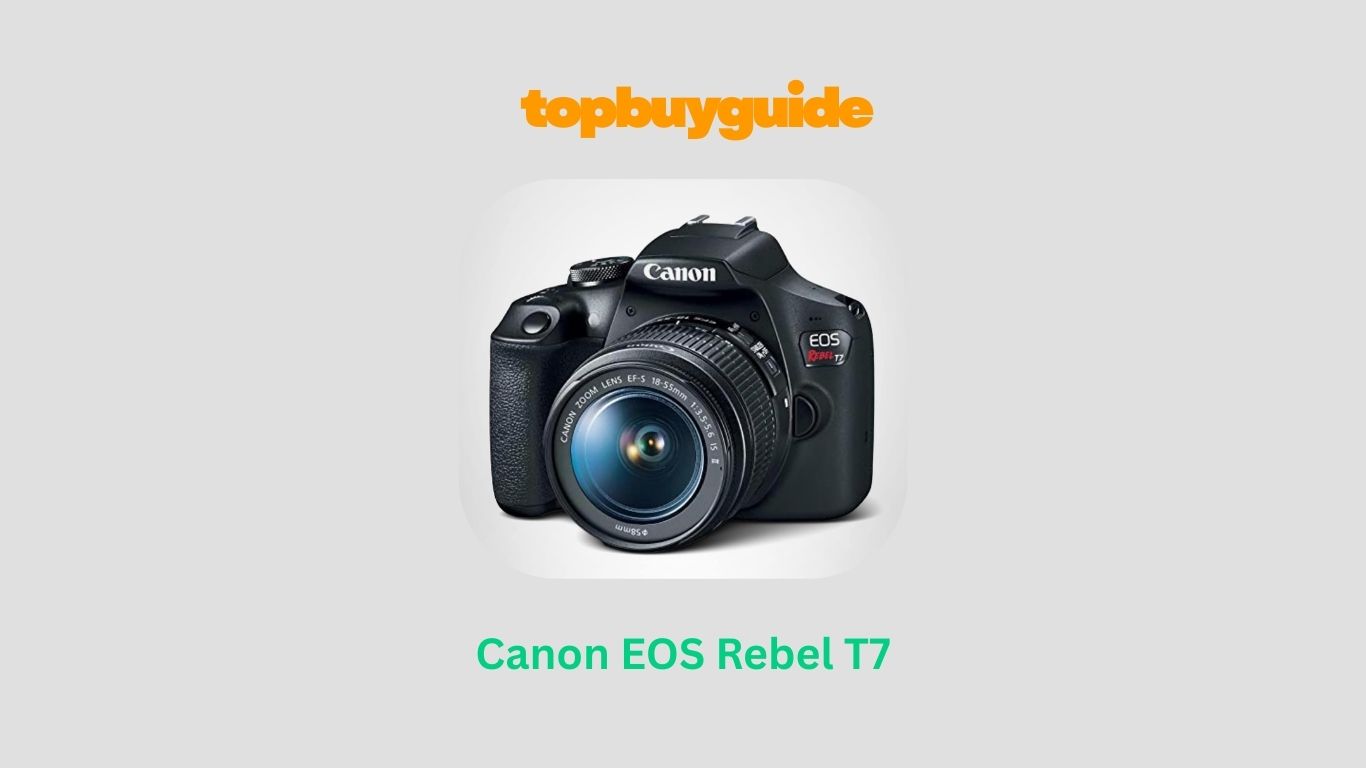
In the world of photography, choosing the perfect camera can feel overwhelming. With countless models available—each offering unique features—it’s easy to get lost while searching for the ideal device. One camera that continues to stand out among both beginners and aspiring professionals is the Canon EOS Rebel T7.
Also known as the Canon EOS 1500D (or EOS 2000D in some regions), this DSLR camera is widely recognized for its excellent image quality, easy-to-use interface, and budget-friendly price point. Whether your goal is to capture breathtaking landscapes, sharp portraits, or fast action shots, the Canon EOS Rebel T7 is designed to support a wide range of photography needs.
Overview of the Canon EOS Rebel T7
Introduced in early 2018 as an entry-level DSLR, the Canon EOS Rebel T7 serves as the successor to the popular Rebel T6. It quickly gained traction for offering impressive performance without the hefty price tag.
Powered by a 24.1-megapixel APS-C CMOS sensor and the DIGIC 4+ processor, the camera produces vivid, sharp images. Its ISO range of 100–6400 (expandable to 12800) ensures great performance even in low-light environments.
Key Features of the Canon EOS Rebel T7
1. 24.1MP APS-C Sensor
Delivers crisp, vibrant images with excellent clarity and detail.
2. Optical Viewfinder
Provides a bright and accurate view of your scene, ideal for traditional DSLR shooters.
3. Dual Pixel CMOS AutoFocus
Ensures fast, reliable, and precise focusing for both photos and videos.
4. Built-in Wi-Fi & NFC
Makes transferring photos to smartphones or social media seamless and instant.
5. Full HD 1080p Video Recording
Allows users to shoot high-quality videos at 30fps—perfect for beginners exploring videography.
History of the Canon EOS Rebel T7
Canon’s Legacy in Digital Imaging
Canon has been a global leader in imaging technology since the late 1980s. With innovations in digital sensors, lenses, and optical engineering, Canon played a major role in shaping the digital photography industry.
The Evolution of the Rebel Series
Launched in 2003, the Rebel Series aimed to offer:
- Beginner-friendly controls
- Affordable pricing
- High-quality photos
Over time, the Rebel lineup evolved with:
- Better sensors
- Faster processors
- Improved autofocus
- Enhanced design and usability
Release of the Canon EOS Rebel T7
Announced in February 2018, the Rebel T7 was designed as a simple yet powerful upgrade to the Rebel T6. It delivered:
- A higher-resolution 24.1MP sensor
- Better low-light performance
- Improved image clarity
The camera includes:
- 9-point autofocus
- Optical viewfinder
- Full HD recording
- 3.0-inch LCD display
Current Photography Trends & Where the Rebel T7 Fits In
1. Rise of Mirrorless Cameras
While mirrorless models are trending due to their lightweight designs and advanced features, DSLRs like the Rebel T7 remain popular for their:
- Reliability
- Battery life
- Optical viewfinder
2. Wireless Connectivity
The demand for instant sharing continues to grow. The Rebel T7 keeps up with:
- Built-in Wi-Fi
- NFC pairing
- Canon Camera Connect app
3. Increasing Video Demand
Social media influencers and vloggers need strong video tools. With Full HD video, the Rebel T7 is ideal for entry-level creators.
4. Community & Collaboration
Users often engage in:
- Online photography forums
- Instagram communities
- Challenges and creative collaborations
5. Eco-Friendly Photography
Canon’s Eco Mode, recycling programs, and energy-efficient features match the increasing global concern for sustainability.
6. Personalization in Cameras
The Rebel T7 includes:
- Creative filters
- Picture styles
- Customizable settings
7. Influencer Marketing
Reviews, tutorials, and unboxings from influencers have boosted the Rebel T7’s popularity among beginners.
Technological Advancements in the Rebel T7
1. Advanced Image Sensor & Processor
The combination of a 24.1MP APS-C sensor and DIGIC 4+ processor ensures:
- High-resolution images
- Low noise
- Vibrant colors
2. Enhanced Autofocus System
Its 9-point AF system provides:
- Quick subject tracking
- Accurate focus
- Reliable performance for portraits, action shots & everyday photography
3. 3fps Continuous Shooting
Great for capturing:
- Sports
- Wildlife
- Fast-moving subjects
4. Connectivity Options
Built-in:
- Wi-Fi
- NFC
- Remote shooting via Canon Camera Connect
5. Creative Shooting Modes
Includes:
- Time-lapse
- Creative filters
- Scene modes (Portrait, Landscape, Sports, etc.)
6. Full HD Video Recording
Enables smooth and detailed video for:
- Vlogging
- Travel videos
- Social media content
7. Ergonomic, Beginner-Friendly Design
Features:
- Comfortable grip
- Simple menu system
- Easy-to-use controls
Challenges and Solutions for Canon EOS Rebel T7 Users
1. Limited Autofocus Points
Only 9 AF points may feel restrictive.
Solution:
- Use the center AF point for best accuracy
- Use Live View for manual focusing
- Recompose after locking focus
2. Limited Buffer Capacity
Continuous shooting can fill the buffer quickly.
Solution:
- Use a high-speed Class 10 UHS-I/UHS-II SD card
- Shoot in short bursts
- Allow buffer to clear between sequences
3. Low-Light Performance Limitations
Higher ISO can introduce noise.
Solution:
- Use wider-aperture lenses
- Use a tripod for stability
- Apply noise reduction in post-processing (Lightroom, etc.)
Future Predictions for the Canon EOS Rebel Line
1. Better Sensors
Future models may offer:
- Higher megapixels
- Improved dynamic range
- Enhanced low-light performance
2. Stronger Wireless Integration
Expect improvements like:
- Faster Wi-Fi
- Cloud backup support
- Advanced mobile controls
3. AI-Powered Features
Future cameras could include:
- Automatic scene recognition
- AI-enhanced autofocus
- Smart image optimization
4. Enhanced Video Recording
Consumers may see:
- 4K or 6K recording
- Better stabilization
- Advanced video codecs
5. Sustainable Camera Production
Future models may incorporate:
- Eco-friendly designs
- Recycled materials
- Lower power consumption
6. More Personalization
Including:
- Touchscreen controls
- Customizable buttons
- Improved user interfaces
Conclusion
The Canon EOS Rebel T7 remains one of the most reliable and affordable entry-level DSLR cameras on the market. With its impressive 24.1MP sensor, easy operation, and strong performance, it continues to be an excellent choice for:
- Beginners
- Hobbyists
- Students
- Social media creators
Despite minor limitations—such as lack of 4K video and limited autofocus points—the Rebel T7 delivers excellent value and dependable image quality.
As Canon continues to innovate, the Rebel series will likely evolve with improved features, modern connectivity, and enhanced performance, ensuring it remains a top choice for photography beginners worldwide.

Alex Turner is a dedicated product researcher and reviewer at TopBuyGuide.com, known for his clear, honest, and data-driven insights. He spends countless hours testing, comparing, and analyzing products to help readers make confident and informed buying decisions.