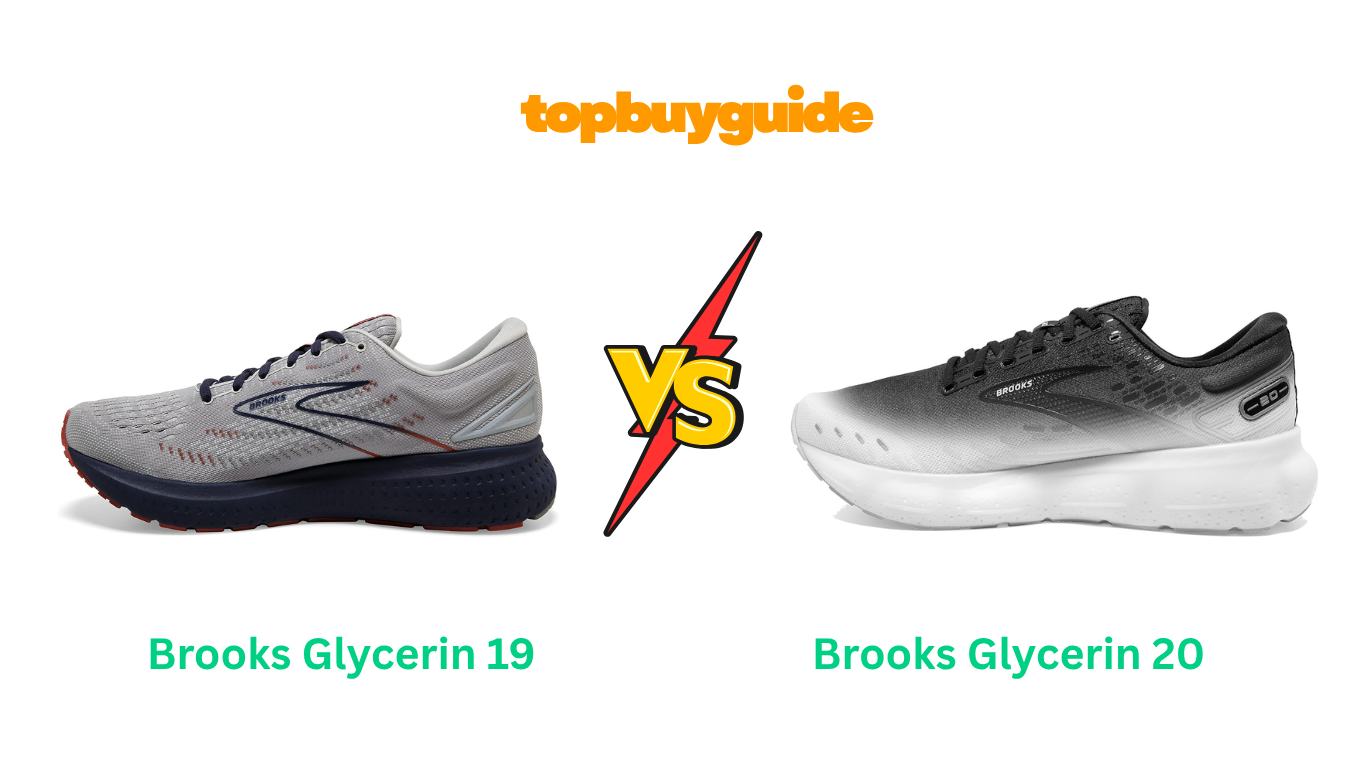
Choosing between two stellar running shoes can be tough, but when it comes to the Brooks Glycerin 19 vs 20, the choice is clear. I recommend the Brooks Glycerin 20, primarily for its innovative nitrogen-infused DNA LOFT v3 cushioning, which offers a superior, lighter, and more responsive ride. While the Glycerin 19 is a fantastic shoe, the 20 simply elevates the running experience to a new level. Let’s dive into why.
Why Do I Recommend The Brooks Glycerin 20?
The Brooks Glycerin 20 stands out as the superior choice due to several key upgrades that enhance comfort, performance, and durability. While the Glycerin 19 laid a great foundation, the 20 refines the experience for runners seeking maximum cushioning.
- Upgraded Cushioning Technology: The Glycerin 20 introduces the new nitrogen-infused DNA LOFT v3 cushioning. This technology is a significant step up, providing an even softer, lighter, and more responsive feel underfoot. In contrast, the Glycerin 19 uses the standard DNA LOFT foam, which is plush but doesn’t offer the same level of energy return or reduced weight as its successor.
- Wider and More Stable Platform: Brooks redesigned the midsole and outsole for the Glycerin 20, creating a wider platform. This change results in smoother, more stable transitions from heel to toe. While the Glycerin 19 offers a smooth ride, the 20’s broader base provides an added layer of confidence and stability during your run.
- Enhanced Breathability: The Glycerin 20 features an improved engineered air mesh upper. This new design is not only more breathable, keeping your feet cooler on long runs, but it also provides a secure yet flexible fit. The Glycerin 19’s upper is comfortable, but the 20’s material offers better ventilation and a slightly more refined fit.
- Lighter Weight: Despite its supreme cushioning, the Glycerin 20 is lighter than the 19. The Glycerin 20 weighs in at 10.1oz (286.3g), whereas the Glycerin 19 is slightly heavier at 10.2oz (289.2g). This reduction, achieved through the new DNA LOFT v3 foam, makes the shoe feel more nimble and less cumbersome over long distances.
- Improved Fit and Feel: The Glycerin 20 retains the plush internal stretch bootie but combines it with the new upper for an even better “plush fit.” This combination ensures your foot is comfortably held in place while expanding naturally with your stride. The Glycerin 19 is comfortable, but the 20’s updates make for a more seamless and integrated feel.
- Certified for Diabetic Footwear: The Brooks Glycerin 20 is a certified PDAC A5500 Diabetic shoe. This certification means it meets specific requirements for protective footwear, a feature not specified for the Glycerin 19, making it a safer choice for runners with particular health considerations.
Side By Side Comparison Chart: Brooks Glycerin 19 vs 20
| Feature | Brooks Glycerin 19 | Brooks Glycerin 20 |
| Midsole Cushioning | DNA LOFT | Nitrogen-infused DNA LOFT v3 |
| Weight (Men’s) | 10.2oz / 289.2g | 10.1oz / 286.3g |
| Outsole/Midsole Design | Standard platform | Redesigned, wider platform |
| Upper Material | Engineered mesh | Engineered air mesh |
| Diabetic Shoe Certified | No | Yes (PDAC A5500) |
| Responsiveness | Good | Excellent |
| Overall Feel | Pillowy soft | Lighter, more responsive softness |
What Common Features Can Brooks Glycerin 19 vs 20 Do?
Both the Brooks Glycerin 19 and Glycerin 20 are premium neutral running shoes designed for maximum comfort. They share a core philosophy of providing a soft, cushioned ride for road running, cross-training, and daily wear.
Neutral Support
Both models are built for neutral runners. This means they don’t have added stability features like GuideRails® to correct overpronation. Instead, they focus on providing a pure, cushioned experience that allows your foot to move naturally. This makes them ideal for runners who have a neutral gait and prioritize softness and protection over motion control. Whether you’re on the road or at the gym, both shoes deliver reliable neutral support.
Plush Internal Fit
A standout feature in both the Glycerin 19 and 20 is the plush internal stretch bootie. This inner liner surrounds your foot, moving and expanding with your stride to create a snug but flexible fit. It feels like your foot is getting a gentle hug, eliminating potential hot spots and irritation. This feature ensures that both shoes provide a luxurious, comfortable feel from the moment you put them on.
Smooth Transitions
Brooks designed both shoes with a plush transition zone. This engineering ensures that every movement from heel-strike to toe-off feels incredibly soft and smooth. The full-length cushioning in the midsole plays a crucial role in this, absorbing impact and promoting a seamless gait cycle. This focus on smooth transitions helps reduce fatigue and makes running feel more effortless in both versions.
APMA Seal of Acceptance
Both the Glycerin 19 and the Glycerin 20 have been granted the American Podiatric Medical Association (APMA) Seal of Acceptance. This seal is awarded to products found to promote good foot health. It signifies that podiatrists have reviewed the shoe and determined it has features and a design that are beneficial for foot health, giving you confidence in your purchase.
Common Features of Brooks Glycerin 19 vs 20
| Feature | Brooks Glycerin 19 | Brooks Glycerin 20 |
| Support Type | Neutral | Neutral |
| Experience Level | High Cushion (Level 3 of 3) | High Cushion (Level 3 of 3) |
| Best For | Long Runs, Road Running, All-Day Comfort | Long Distance, Road Running, Treadmill |
| Midsole Drop | 10mm | 10mm |
| Sole Material | Rubber | Rubber |
| Closure Type | Lace-Up | Lace-Up |
| APMA Seal | Yes | Yes |
A Detailed Comparison Of the Brooks Glycerin 19 vs 20
Midsole and Cushioning
The most significant upgrade in this comparison is the midsole foam. The Brooks Glycerin 19 uses the tried-and-true DNA LOFT cushioning. This foam is known for its supreme softness, providing a pillowy underfoot feel that excels at absorbing impact during long runs. It’s designed to be durable and responsive, but its primary characteristic is its plush comfort, making it feel like running on clouds.
On the other hand, the Brooks Glycerin 20 introduces the brand’s latest innovation: nitrogen-infused DNA LOFT v3. This new foam is engineered to be even softer, lighter, and more responsive than the previous version. The nitrogen-infusion process creates a compound that provides exceptional cushioning without the associated weight, offering a bouncier ride with more energy return. This makes the Glycerin 20 feel more dynamic and less “mushy” than its predecessor.
Upper and Fit
The fit of a running shoe is crucial for comfort over many miles. The Brooks Glycerin 19 features an engineered mesh upper combined with an internal stretch bootie. This combination provides a snug, flexible fit that adapts to your foot’s movement. It’s a very comfortable design that has been praised by many runners, offering a secure lockdown without feeling restrictive.
The Brooks Glycerin 20 also uses an engineered mesh upper, but it has been redesigned for improved breathability and fit. It feels a bit more refined and airy, which can make a noticeable difference during runs in warmer weather. It works in concert with the same plush internal liner to wrap the foot securely, ensuring that it remains one of the most comfortable shoes on the market. While both are excellent, the 20’s upper feels like a slight but welcome refinement.
Outsole and Ride
The outsole design directly impacts the shoe’s stability and the smoothness of your transitions. The Brooks Glycerin 19 has a more traditional outsole and midsole geometry. It provides a smooth ride with its full-length DNA LOFT and a reliable grip from its rubber outsole. The transitions from heel to toe are soft and consistent, making it a dependable daily trainer.
With the Brooks Glycerin 20, the midsole and outsole have been re-engineered to create a wider, more stable platform. This broader base provides a more grounded feel, especially during landing, and facilitates even smoother transitions through the gait cycle. This update doesn’t make the shoe feel clunky; instead, it enhances the feeling of effortless flow from one step to the next, which is a noticeable improvement during long-distance efforts.
Weight
Even a small difference in weight can matter over the course of a long run. The Brooks Glycerin 19 has a weight of 10.2 ounces (289.2g) for a men’s size 9. This is a respectable weight for a max-cushion shoe, balancing durability and softness effectively.
Thanks to the new nitrogen-infused DNA LOFT v3 foam, the Brooks Glycerin 20 manages to be slightly lighter at 10.1 ounces (286.3g). While a 0.1-ounce difference may seem minimal on paper, it contributes to the shoe’s more responsive and less bottom-heavy feel. This weight reduction, combined with the bouncier foam, makes the Glycerin 20 a more energetic and lively option.
Conclusion
While the Brooks Glycerin 19 is an excellent, highly cushioned running shoe, the Brooks Glycerin 20 is the clear winner. The introduction of the nitrogen-infused DNA LOFT v3 foam makes it lighter, more responsive, and even softer. With its wider, more stable platform and improved upper, it offers a superior running experience. If you are choosing between the two and the price is comparable, investing in the Glycerin 20 is a decision your feet will thank you for.
FAQs
1. Is the Brooks Glycerin 20 worth the upgrade from the 19?
Yes, for most runners. The Glycerin 20’s nitrogen-infused DNA LOFT v3 foam is a significant improvement, offering a lighter, bouncier, and more comfortable ride. If you love the 19 but want a more responsive feel, the upgrade is definitely worth it.
2. How does the sizing compare between the Glycerin 19 and 20?
Both shoes generally run true to size, but Brooks recommends ordering a 1/2 to one size larger than your dress shoe. Some users have noted that the Glycerin 19 can feel slightly narrow, while the Glycerin 20’s redesigned upper offers a slightly more accommodating fit.
3. Is the Glycerin 20 good for marathon training?
Absolutely. The Glycerin 20 is one of the best shoes for marathon training, especially for runners who prioritize cushioning. Its lightweight yet durable design and supreme softness make it ideal for logging high mileage without foot fatigue.
4. Can I use the Brooks Glycerin for walking?
Yes, both the Glycerin 19 and 20 are excellent for walking. Their maximum cushioning provides all-day comfort, making them a popular choice for people who spend a lot of time on their feet, including those with jobs that require standing or walking for long periods.
5. Which shoe is better for a heavier runner?
Both shoes provide excellent cushioning suitable for heavier runners. However, the wider platform of the Brooks Glycerin 20 may offer a slight advantage in stability, making it a potentially better and more secure option for heavier individuals seeking a plush, protective ride.
6. Does the Glycerin 20 have a stability version?
Yes. If you need added support for overpronation, look for the Brooks Glycerin GTS 20. The “GTS” (Go-To-Support) version includes GuideRails® technology to help keep your body in its natural motion path while still providing the same soft cushioning.
7. How durable is the DNA LOFT v3 foam in the Glycerin 20?
The nitrogen-infused DNA LOFT v3 is designed not only to be soft and lightweight but also durable. Brooks engineered it to withstand the rigors of daily training, so you can expect to get a standard 300-500 miles out of the Glycerin 20, similar to other premium daily trainers.

Alex Turner is a dedicated product researcher and reviewer at TopBuyGuide.com, known for his clear, honest, and data-driven insights. He spends countless hours testing, comparing, and analyzing products to help readers make confident and informed buying decisions.