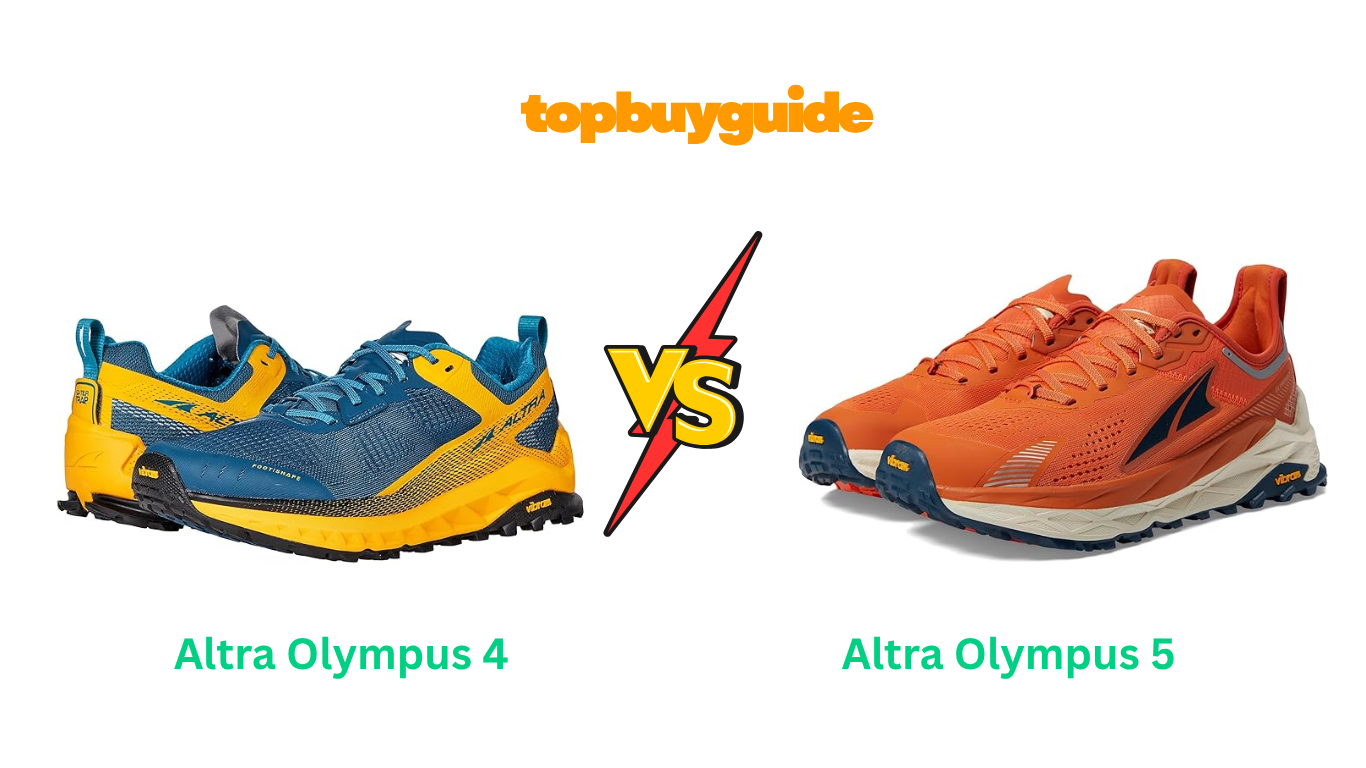
Choosing between the Altra Olympus 4 and 5 challenges many trail runners seeking maximum cushion. Both deliver exceptional comfort with 33mm stack heights and zero-drop platforms. However, I recommend the Altra Olympus 4 for most runners. It offers better durability with a proven Vibram outsole that doesn’t peel away prematurely. The 4 also costs significantly less while delivering nearly identical performance, making it the smarter investment for long-distance adventures.
Why Do I Recommend The Altra Olympus 4?
The Altra Olympus 4 outperforms the 5 in several crucial areas that matter for serious trail running:
• Superior Outsole Durability: The Olympus 4 features a proven Vibram MegaGrip outsole that holds up exceptionally well through hundreds of miles. Thru-hikers report 500-700 miles before significant wear appears. In contrast, the Olympus 5’s outsole suffers from premature peeling issues, with the rubber separating from the midsole after just a few runs for many users.
• Better Value at Lower Price: The Olympus 4 originally retailed at $170 and now sells at discounted prices around $130-140. The 5 costs $180, representing a $10-40 premium over the 4. Since the performance differences are minimal, the 4 delivers significantly better value for budget-conscious runners and hikers.
• More Consistent Fit Across Sizes: The Olympus 4 maintains Altra’s classic wide toe box and true-to-size fit that the brand built its reputation on. Multiple reviewers report the 5 runs slightly small, with a narrower toe box than expected. The 4’s more generous fit prevents blisters and accommodates foot swelling during ultra-distances better.
• Proven Track Record: The Olympus 4 established itself as a favorite among thru-hikers and ultrarunners since its 2020 debut. Thousands have successfully completed the Appalachian Trail, Pacific Crest Trail, and Camino de Santiago in these shoes. The 5 lacks this extensive real-world validation and feedback.
• Less Problematic Upper Comfort: While both shoes feature gusseted tongues, the Olympus 4’s tongue padding extends further up, reducing lace bite issues. The 5’s tongue has a thinner, rubber-like material at the top edge that cuts into ankles. Many runners must wear crew socks with the 5 to avoid bloody irritation.
• Slightly Better Energy Return: The Olympus 4 feels marginally more energetic and responsive underfoot than the 5. While both use compression-molded EVA, the 4’s foam composition provides a touch more bounce. This makes the 4 feel less sluggish during longer trail runs compared to the 5’s deader feel.
• Improved Midsole Flare Design: The Olympus 4’s midsole flares out dramatically near the bottom, creating an enormous footprint for stability. This bathtub-style design keeps your foot centered and stable. The 5 reduces this flare slightly, offering marginally less stability on technical terrain and side slopes.
• Better Availability and Color Options: As the older model, the Olympus 4 appears more frequently at retailers with seasonal discounts. You can find better color selections in closeout sales. The 5’s newness means fewer discount opportunities and limited colorway availability at reduced prices.
Side By Side Comparison Chart: Altra Olympus 4 vs 5
| Feature | Altra Olympus 4 | Altra Olympus 5 |
| Release Year | 2020 | 2022 |
| Weight (Men’s US 9) | 11.6 oz (329g) | 11.8 oz (335g) |
| Weight (Women’s US 8) | 9.6 oz | 9.8 oz |
| Stack Height | 33mm heel/forefoot | 33mm heel/forefoot |
| Heel-to-Toe Drop | 0mm (zero drop) | 0mm (zero drop) |
| Midsole Material | Compression Molded EVA | Compression Molded EVA |
| Outsole | Vibram MegaGrip | Vibram MegaGrip |
| Outsole Durability | Excellent, 500-700 miles | Poor, peels prematurely |
| Heel Lockdown | Good | Excellent with padded counter |
| Heel Pull Tab | Standard | Larger, more padded |
| Upper Material | Engineered mesh | Softer, more flexible mesh |
| Tongue Padding | 6.5mm, extends up | 7.4mm thick, thin at top edge |
| Toe Box Width | Very wide (103mm) | Wide (103.4mm) |
| Fit | True to size | Runs slightly small |
| Midfoot Security | Good | Excellent, more snug |
| Lace Bite Issues | Minimal | Common problem reported |
| Upper Durability | Very good | Good, more breathable |
| Price (MSRP) | $170 (now discounted) | $180 |
| Energy Return Feel | Slightly more responsive | Slightly deader |
| Midsole Flare | Maximum flare | Slightly reduced flare |
| Best For | Value seekers, long distances | Runners needing heel lockdown |
What Common Features Can Altra Olympus 4 vs 5 Shoes Do?
Maximum Cushioning for Trail Protection
Both the Olympus 4 and 5 feature 33mm stack heights that provide exceptional underfoot protection. This maximalist cushioning absorbs impact from rocks, roots, and technical terrain effortlessly. Neither shoe allows sharp objects to bruise your feet during long trail runs. The thick foam platform makes both models ideal for ultrarunning, thru-hiking, and multi-day backpacking adventures.
Runners report finishing 50-mile races and 30-mile training days without foot soreness. The cushioning dulls out nearly everything you can land on, making rough trails feel surprisingly comfortable. Both shoes excel at protecting joints, reducing inflammation during recovery from the pounding of long distances.
Zero Drop Platform for Natural Gait
The Olympus 4 and 5 maintain Altra’s signature zero-drop design with equal cushioning under heel and forefoot. This balanced platform encourages natural foot strike patterns and promotes better alignment. Both shoes prevent the artificial heel elevation that can strain calves and Achilles tendons. The zero-drop geometry feels comfortable for heel strikers, midfoot strikers, and forefoot strikers alike.
Neither shoe manipulates your natural gait or forces adaptation to elevated heel positions. Runners transitioning from traditional shoes may need several runs to adjust, but both models ease this process. The level platform reduces stress on ankles and knees during extended trail sessions.
FootShape Toe Box Design
Both models feature Altra’s Original Fit last with extremely wide, anatomically shaped toe boxes. This design allows your toes to spread naturally during the gait cycle without constriction. The toe box measures over 103mm at its widest point in both versions, accommodating bunions and wider feet. Neither shoe causes black toenails, blisters, or hot spots in the forefoot area.
The spacious design prevents the cramping and numbness common in traditionally shaped running shoes. Both provide room for foot swelling during long ultras without becoming uncomfortably tight. The wide platform enhances stability by allowing natural toe splay during weight transfer and push-off.
Vibram MegaGrip Outsole Traction
The Olympus 4 and 5 both utilize Vibram MegaGrip rubber compounds for exceptional grip. This premium outsole material provides confident traction on wet rocks, muddy trails, and loose dirt. Neither shoe experiences dangerous slippage during steep ascents or technical descents. The TrailClaw lug patterns bite into varied terrain effectively across different trail conditions.
Both outsoles work equally well on dry hardpack, loose gravel, and wet surfaces. The rubber formulation resists wearing smooth, maintaining traction throughout the shoe’s lifespan. You can confidently tackle exposed rock sections, stream crossings, and leaf-covered paths in either model.
Compression Molded EVA Midsoles
Both shoes feature compression-molded EVA foam rather than Altra’s newer EGO Max material. This traditional foam provides reliable, consistent cushioning without exotic performance claims. The EVA compresses noticeably over hundreds of miles but remains protective and comfortable. Neither midsole feels overly soft or unstable despite the maximum stack heights. The foam rebounds adequately for hiking and slow trail running paces.
Both midsoles maintain their properties across temperature ranges without becoming rock-hard in cold weather. The compression-molded construction creates durability that outlasts many competing foam formulations. While not cutting-edge technology, the EVA performs reliably for the intended use.
GaiterTrap Integration
The Olympus 4 and 5 include built-in GaiterTrap attachment points for securing Altra gaiters. These hooks prevent debris, snow, and trail crud from entering the shoe during challenging conditions. Both models work seamlessly with Altra’s gaiter products sold separately. The traps don’t interfere with normal use when gaiters aren’t attached.
Neither shoe requires aftermarket modifications to add gaiter compatibility. Trail runners appreciate this thoughtful design during muddy spring conditions and dusty summer trails. The integration makes both models more versatile for four-season trail adventures and varied terrain types.
InnerFlex Midsole Technology
Both versions incorporate InnerFlex grooves throughout the midsole to enhance flexibility. These flex grooves allow natural foot articulation during the gait cycle despite maximum cushioning. Neither shoe feels stiff or restrictive during toe-off phases. The flexibility helps both models feel more nimble than their bulky appearances suggest.
You can navigate technical terrain with better ground feel and responsiveness. The InnerFlex design reduces weight compared to solid midsole construction. Both shoes bend naturally during dynamic trail movements like rock hopping and quick direction changes.
True-to-Size Fit (With Caveats)
The Olympus 4 fits true to size for most runners, maintaining consistent Altra sizing. You can confidently order your regular shoe size without adjustments. The 5 runs slightly small according to numerous reviews, with some runners needing to size up. Both provide adequate toe box length for proper fit when sized correctly.
The width accommodates average and wide feet comfortably in both models. Neither offers dedicated wide or narrow width options beyond the standard anatomical last. Runners with particularly narrow feet may find both models too spacious through the midfoot and forefoot.
Common Features of Altra Olympus 4 vs 5
| Feature | Altra Olympus 4 | Altra Olympus 5 |
| Cushioning Level | Maximum (33mm) | Maximum (33mm) |
| Drop | Zero drop (0mm) | Zero drop (0mm) |
| Toe Box Style | FootShape (wide) | FootShape (wide) |
| Last Type | Original Fit | Original Fit |
| Outsole | Vibram MegaGrip | Vibram MegaGrip |
| Lug Pattern | TrailClaw | TrailClaw |
| Midsole Foam | Compression Molded EVA | Compression Molded EVA |
| Flexibility Tech | InnerFlex grooves | InnerFlex grooves |
| Gaiter Compatibility | GaiterTrap | GaiterTrap |
| Upper Type | Engineered mesh | Engineered mesh |
| Tongue Design | Fully gusseted | Fully gusseted |
| Toe Protection | TPU bumper | TPU bumper |
| Best Use | Trails, ultras, hiking | Trails, ultras, hiking |
| Suitable Terrain | Non-technical to moderate | Non-technical to moderate |
| Gender Options | Men’s and Women’s | Men’s and Women’s |
A Detailed Comparison Of the Altra Olympus 4 vs 5
Outsole Durability and Longevity
The Altra Olympus 4 delivers exceptional outsole durability that justifies its premium trail shoe status. Thru-hikers consistently report 500-700 miles before the Vibram MegaGrip shows significant wear. The rubber compound resists abrasion excellently across rocky terrain, gravel trails, and pavement sections. The full rubber coverage protects the midsole from premature exposure and degradation. Many ultrarunners exceed 800 training miles in a single pair without needing replacement.
The Olympus 5 suffers from disappointing durability issues that plague many pairs. Multiple reviewers report the outsole peeling away from the midsole after only a few runs. The rubber literally separates and comes unstuck, creating gaps between layers. This premature failure occurs despite using the same Vibram MegaGrip branding. The thinner 2.8mm rubber layers and smaller 3.0mm lugs wear through faster than average. This durability problem severely undermines the 5’s value proposition at $180.
Heel Lockdown and Security
The Altra Olympus 4 provides adequate heel lockdown for most trail running applications. The heel counter offers decent structure without being overly rigid or uncomfortable. However, some runners experience minor heel slippage during steep descents and technical sections. The standard pull tab functions adequately for putting shoes on. The heel fit works well enough for long, steady efforts but doesn’t excel at aggressive trail running.
The Olympus 5 dramatically improves heel lockdown with a more generously padded heel counter. Your heel sinks deep into the perfectly molded structure, creating a glove-like fit. The enhanced padding and higher heel tab that extends further up the Achilles provide superior security. Runners report zero heel slippage even during technical descents and quick direction changes. The improved lockdown prevents blisters and hot spots that plagued some users in version 4.
Upper Comfort and Tongue Design
The Altra Olympus 4 features an engineered mesh upper with good breathability and reasonable durability. The fully gusseted tongue stays centered and prevents debris entry effectively. The tongue padding extends relatively far up, reducing lace bite issues. Most runners find the upper comfortable out of the box without hot spots. The materials balance breathability with trail-worthy durability for long-term use. Some find the fit slightly high-volume through the midfoot area.
The Olympus 5’s upper uses softer, more flexible mesh that creates a slipper-like feel. This material stretches better over bunions and accommodates foot shape variations more successfully. However, the tongue design creates significant problems for many users. Despite measuring 7.4mm thick overall, the padding doesn’t extend to the top edge. The thin, rubber-like material at the tongue’s top cuts into ankles and lower legs, causing bloody irritation. Many runners must wear quarter or crew socks to avoid this painful issue.
Weight and On-Foot Feel
The Altra Olympus 4 weighs 11.6 oz (329g) for men’s size 9 and 9.6 oz for women’s size 8. While not lightweight, the shoe doesn’t feel heavy or cumbersome on trail. The weight distribution and balanced platform create a surprisingly nimble sensation. Runners appreciate how the 4 doesn’t feel sluggish during long efforts. The shoe balances cushioning with acceptable weight penalties effectively.
The Olympus 5 adds approximately 6 grams, weighing 11.8 oz for men’s and 9.8 oz for women’s models. This minor weight increase isn’t dramatically noticeable during runs. However, combined with the slightly deader foam feel, the 5 can seem more sluggish. Some reviewers note the 5 feels marginally heavier underfoot despite minimal actual weight difference. The perception of heaviness reduces enthusiasm for picking up pace during trail runs.
Midsole Feel and Energy Return
The Altra Olympus 4’s compression-molded EVA provides comfortable, protective cushioning with adequate energy return. The foam feels resilient and responsive enough for its intended ultra-distance purpose. While not exceptionally bouncy or springy, the midsole returns sufficient energy for maintaining steady paces. The cushioning compresses noticeably after several hundred miles but remains protective. Runners appreciate the 4’s slightly livelier feel compared to completely dead max-cushion alternatives.
The Olympus 5 uses essentially identical compression-molded EVA but feels marginally deader and less energetic. Reviewers consistently note the 5 lacks the slight bounce and responsiveness present in the 4. The foam feels perfectly fine but somewhat disappointing given Altra’s newer EGO Max technology exists. At $180, using pedestrian midsole material feels like a missed opportunity. The deader ride makes the 5 better suited for recovery runs than the 4’s slightly more versatile feel.
Midfoot Fit and Security
The Altra Olympus 4 provides good midfoot security through its engineered mesh upper and lacing system. The fit accommodates various foot widths comfortably without feeling sloppy. However, some runners with narrower feet experience excess volume through the midfoot. The lacing doesn’t always lock down the midfoot perfectly tight. This looser fit works fine for steady trail running but limits confidence during technical sections.
The Olympus 5 delivers excellent midfoot lockdown that represents a clear upgrade over version 4. The snug-fitting midfoot and improved heel counter work together to secure your foot excellently. Even runners with narrow feet report feeling locked in without excessive tightening. The upper holds your foot in place confidently during aggressive trail running and quick movements. This enhanced security expands the shoe’s versatility for more technical terrain beyond smooth trail cruising.
Toe Box Fit and Volume
The Altra Olympus 4 features an extremely wide toe box measuring approximately 103mm at its widest point. This spacious design prevents toe jamming during descents and accommodates foot swelling during ultras. The squared-off shape allows natural toe splay throughout the gait cycle. Most runners find the toe box perfectly sized for Altra’s FootShape philosophy. However, some note the 4’s toe box feels slightly shallow despite adequate width.
The Olympus 5 maintains the wide toe box dimensions at 103.4mm, essentially identical to the 4. However, numerous reviewers report the 5’s toe box feels slightly narrower and more restrictive than expected. Some users can see their big toe pressing through the upper material during runs. The 5 seems to fit slightly smaller overall, with several runners recommending sizing up. This contradicts Altra’s traditional true-to-size reputation and causes frustration for loyal customers.
Breathability and Ventilation
The Altra Olympus 4’s engineered mesh upper provides good breathability for most trail conditions. Air circulates adequately during summer runs without causing overheating. The mesh dries relatively quickly after stream crossings or rain exposure. However, the upper doesn’t rank among the most breathable trail shoes available. Some runners find their feet run warm during hot, humid conditions. The ventilation works fine for most users but doesn’t excel.
The Olympus 5’s softer, more flexible upper offers improved breathability over the 4. The mesh allows better airflow and heat dissipation during challenging conditions. Runners report cooler feet during summer trail runs compared to version 4. The enhanced drainage helps water escape more quickly after wet sections. However, the improved breathability comes at the expense of some upper durability. The softer material shows wear faster than the 4’s more robust construction.
Stability on Technical Terrain
The Altra Olympus 4’s dramatically flared midsole creates an enormous footprint that enhances stability. The bathtub-style construction where your foot sits deep within the shoe adds security. The wide platform resists rolling on uneven surfaces and side slopes effectively. Most runners feel confident on moderate technical terrain despite the high stack height. The stability makes the 4 suitable for trails beyond smooth, groomed paths.
The Olympus 5 maintains good stability but reduces the extreme midsole flare slightly. The outsole still provides a stable platform that prevents excessive rolling. However, the marginally less pronounced flare offers fractionally less security on technical trails. The improved midfoot lockdown partially compensates for reduced midsole width. Both shoes work best on non-technical to moderately technical trails rather than extremely rocky, steep terrain.
Price and Value Comparison
The Altra Olympus 4 originally retailed at $170, representing a $20 increase over the 3.5. Now discontinued, the 4 frequently appears on sale for $130-140 from various retailers. This discounted pricing significantly improves the value proposition. For runners finding closeout pairs, the 4 delivers exceptional performance-per-dollar. The proven durability and reliability justify even full retail pricing for those who can’t find sales.
The Olympus 5 costs $180 at full retail, making it $10 more expensive than the 4’s launch price. Given the minimal performance improvements and significant durability concerns, the premium feels unjustified. The use of standard compression-molded EVA rather than newer EGO Max foam disappoints at this price point. Most reviewers suggest buying discounted Olympus 4s instead unless you specifically need the 5’s improved heel lockdown. The 5 represents poor value compared to its predecessor.
Conclusion
The Altra Olympus 4 emerges as the superior choice for trail runners, ultramarathoners, and thru-hikers seeking maximum cushion. Its proven Vibram outsole durability outlasts the 5’s problematic peeling issues significantly. The 4 delivers nearly identical performance at $30-50 less, making it the smarter investment. While the 5 offers marginally better heel lockdown and midfoot security, these improvements don’t justify the premium price and durability concerns. Find discounted Olympus 4s while available for exceptional value in a maximum-cushioned trail shoe.
FAQs
Q: Which shoe is more durable for thru-hiking?
The Altra Olympus 4 offers superior durability for thru-hiking applications. Hikers consistently report 500-700 miles before significant wear on the Vibram outsole. The 5 suffers from premature outsole peeling where rubber separates from the midsole. For long-distance trails like the Appalachian Trail or Pacific Crest Trail, the 4’s proven reliability makes it the safer choice.
Q: Does the Olympus 5’s improved heel lockdown justify the higher price?
For most runners, no. The Olympus 5’s enhanced heel lockdown benefits those who experienced slippage in the 4. However, this improvement doesn’t compensate for durability issues and $10-40 higher pricing. Unless heel security is your primary concern, the 4 delivers better overall value. Consider trying the 4 first before paying premium for the 5.
Q: Are these shoes suitable for technical mountain trails?
Both shoes work best on non-technical to moderately technical trails. The high 33mm stack height and soft cushioning reduce ground feel needed for extremely technical terrain. Neither excels at precise foot placement on exposed rock or steep scrambles. For highly technical mountain trails, consider the Altra Lone Peak or Timp instead. Use Olympus models for groomed trails and moderate terrain.
Q: Which version fits true to size?
The Altra Olympus 4 fits true to size for most runners, maintaining consistent Altra sizing standards. Order your regular shoe size confidently. The Olympus 5 runs slightly small according to numerous reviews, with narrower toe box feel. Many runners recommend sizing up half a size in the 5. Try before buying if possible to ensure proper fit.
Q: Can I use these for road running?
Both shoes work acceptably for road running but aren’t optimal choices. The Vibram MegaGrip outsole grips pavement well and lasts through road miles. The maximum cushioning protects joints on hard surfaces effectively. However, both feel heavy and sluggish compared to dedicated road shoes. Consider them for mixed terrain training but not pure road running applications.
Q: How do these compare to Hoka maximalist shoes?
The Olympus 4 and 5 offer similar cushioning levels to Hoka Speedgoat and Mafate models. However, Altra’s zero-drop design differs dramatically from Hoka’s elevated heels. The Olympus features significantly wider toe boxes than narrow-fitting Hokas. Altra feels more natural and anatomical while Hoka provides more rocker geometry. Choose based on your preference for drop height and toe box width.
Q: Is the Olympus 5 worth buying at full price?
No, the Olympus 5 represents poor value at $180 full retail. The minimal improvements over the 4 don’t justify the premium pricing. Durability concerns further undermine value. Wait for sales or discounts before purchasing the 5. Alternatively, buy discounted Olympus 4 inventory for superior value and proven reliability at lower prices.
Q: Which shoe is better for heavier runners?
Both shoes work excellently for heavier runners needing maximum cushioning and impact protection. The 33mm stack height absorbs force effectively regardless of body weight. The Olympus 4’s proven durability makes it slightly better for heavier athletes who wear through shoes faster. The wide platform in both models provides stability that benefits runners carrying extra weight comfortably.

Alex Turner is a dedicated product researcher and reviewer at TopBuyGuide.com, known for his clear, honest, and data-driven insights. He spends countless hours testing, comparing, and analyzing products to help readers make confident and informed buying decisions.