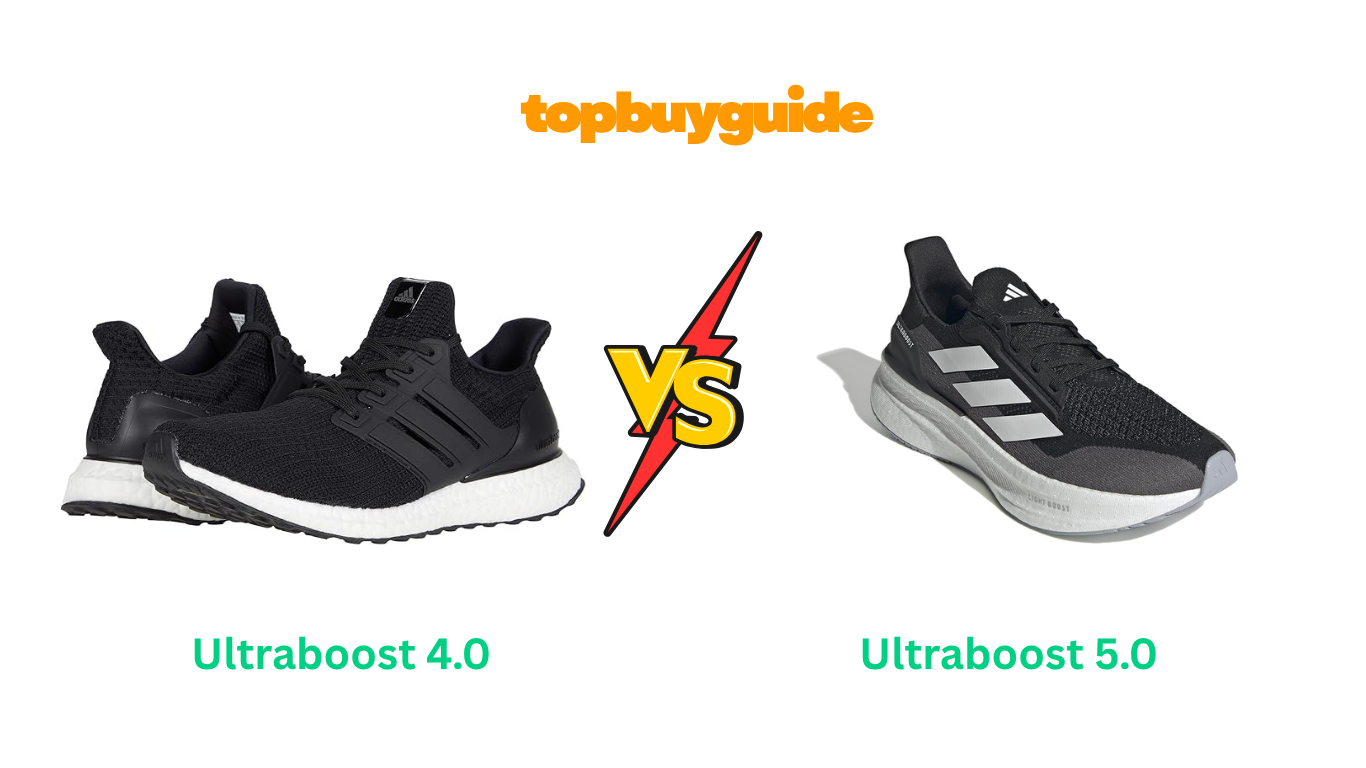
Choosing between Ultraboost 4.0 and 5.0 feels like splitting hairs on perfection. Both deliver legendary Boost cushioning that changed running forever. I recommend the Ultraboost 5.0 for its superior bounce and modern design evolution. The enhanced midsole cushioning creates a more responsive ride than its predecessor. Plus, the updated Primeknit weave provides better support during dynamic movements. If you want the latest Boost technology, the 5.0 delivers unmatched comfort and style.
Why Do I Recommend The Ultraboost 5.0?
The Ultraboost 5.0 represents the pinnacle of Adidas’s continuous innovation. Here’s why this evolved model stands out:
• Enhanced Boost Midsole Technology – The 5.0 features a highly boosted midsole with superior energy return. Conversely, the 4.0 uses the original Boost formulation with less bounce. This creates a noticeably springier feel during toe-off.
• Improved Heel Cushioning – The 5.0 provides exceptional cushioning specifically in the heel area. Meanwhile, the 4.0 distributes Boost more evenly throughout the midsole. This targeted approach benefits heel strikers particularly well.
• Denser Primeknit Upper Construction – The 5.0 utilizes a denser weave with heat-welded overlays for support. In contrast, the 4.0 has a more open Primeknit pattern. This makes the 5.0 more structured and secure feeling.
• 3M Reflective Tongue Tag – The 5.0 features premium 3M reflective branding on the tongue. However, the 4.0 uses a standard rubbery plastic tongue tag. This adds safety and style for low-light running.
• Modern Colorway Selection – The 5.0 offers vibrant, bold color options including glow-in-the-dark elements. Conversely, the 4.0 has more limited color choices overall. Fashion-forward runners appreciate this expanded palette.
• Better Energy Return Performance – The 5.0’s advanced Boost formulation returns more energy with each stride. Comparatively, the 4.0 provides adequate but less dynamic energy feedback. This difference becomes apparent during tempo runs.
• Enhanced Stability Features – The 5.0 incorporates improved heel counter technology for better lockdown. Meanwhile, the 4.0 offers basic heel support structures. This creates superior stability during lateral movements.
• DNA Remix Design Philosophy – The 5.0 combines the best elements from versions 1.0 through 4.0. In contrast, the 4.0 represents a single evolutionary step forward. This makes the 5.0 feel like a greatest-hits compilation.
Side By Side Comparison Chart: Ultraboost 4.0 vs 5.0
| Feature | Ultraboost 4.0 | Ultraboost 5.0 |
| Release Year | 2017 | 2021 |
| Weight (Men’s Size 9) | 10.6 oz (300g) | 10.4 oz (295g) |
| Heel-to-Toe Drop | 10mm | 8mm |
| Stack Height | 29mm heel / 19mm forefoot | 30mm heel / 22mm forefoot |
| Boost Technology | Standard Boost formula | Enhanced highly boosted midsole |
| Primeknit Pattern | Open weave design | Denser weave with overlays |
| Tongue Tag Material | Rubbery plastic embossed | 3M reflective material |
| Heel Counter | Standard TPU counter | Improved molded heel support |
| Outsole Design | Continental Stretchweb | Continental Stretchweb with split heel |
| Breathability | Excellent with open mesh | Good with busier upper design |
| Price Range | $140-$180 | $160-$190 |
| Color Options | Limited classic colors | Vibrant bold colorways |
| Best For | Casual wear and light running | Performance running and lifestyle |
What Common Features Can Ultraboost 4.0 vs 5.0 Deliver?
Revolutionary Boost Cushioning Technology
Both models showcase Adidas’s groundbreaking Boost midsole made from TPU capsules. This proprietary foam technology delivers exceptional energy return with every footstrike. The capsules compress under pressure and quickly return to original shape. Runners experience reduced impact stress on joints during long distances consistently.
The Boost formula maintains performance across varying temperature conditions effectively. Neither model loses cushioning responsiveness in cold or hot weather extremes. This durability makes both shoes reliable training partners year-round without seasonal limitations.
Premium Primeknit Upper Construction
The 4.0 and 5.0 both utilize Adidas’s innovative Primeknit seamless textile technology. This knitted construction wraps the foot like a comfortable sock eliminating irritation. The material adapts dynamically to foot shape changes during running movements. Both uppers provide excellent flexibility that moves naturally with your stride.
The seamless design eliminates traditional stitching that causes hot spots and blisters. Runners appreciate the break-in-free comfort from the first wear immediately. The Primeknit stretches appropriately without becoming loose or baggy over time.
Continental Rubber Outsole Durability
Both shoes feature Continental rubber compound from the tire manufacturer giant. This premium material provides outstanding traction on wet and dry surfaces reliably. The rubber withstands hundreds of miles without showing excessive wear patterns quickly. The Stretchweb design flexes naturally with foot motion during the gait cycle.
Both outsoles include split heel designs that enhance shock absorption capabilities. The strategic rubber placement balances durability with weight considerations effectively. Runners get excellent grip on various road surfaces and light trail conditions.
Sustainable Primeblue Materials
The 4.0 and 5.0 both incorporate Primeblue recycled ocean plastic materials. Adidas partners with Parley for the Oceans to transform plastic waste. Approximately 50-75% of the textile comes from recycled Primeblue yarn sources. This environmental commitment doesn’t compromise performance or comfort in any way. Both shoes prove sustainability and quality can coexist harmoniously in footwear. Eco-conscious runners appreciate supporting ocean cleanup initiatives through their purchases. The recycled materials match virgin polyester in durability and performance metrics.
Torsion System Midfoot Support
Both models include Adidas’s Torsion System between heel and forefoot sections. This technology allows independent movement of rear and forefoot areas naturally. The system provides structural support that prevents excessive twisting during transitions. Runners maintain efficient biomechanics throughout the entire gait cycle consistently.
The Torsion System works harmoniously with the Boost cushioning beneath it. Both shoes deliver stable rides despite their soft, cushioned midsole platforms. This combination creates confidence during various running speeds and movements.
Neutral Running Shoe Design
The 4.0 and 5.0 are designed specifically for neutral pronators primarily. Neither model includes aggressive stability features like medial posts or guide rails. The wide Boost platform inherently provides stable support through geometric design. Both shoes work well for mild overpronators due to this natural stability.
The neutral design allows natural foot motion without restrictive guidance systems. Runners with normal arches find both models comfortable for extended distances. The lack of corrective features makes these versatile for various foot types.
Lifestyle and Performance Crossover Appeal
Both Ultraboost models transcend traditional running shoe categorization successfully. The stylish designs work equally well for casual wear and workouts. Fashion enthusiasts and sneakerheads collect these alongside performance runners worldwide. The comfortable Boost cushioning supports all-day standing and walking activities perfectly.
Both shoes transition seamlessly from gym to street to office environments. This versatility makes them excellent value despite premium pricing tiers. The crossover appeal explains why Ultraboost became a cultural phenomenon globally.
Common Features of Ultraboost 4.0 vs 5.0
| Feature | Ultraboost 4.0 | Ultraboost 5.0 |
| Boost Midsole | ✓ TPU capsule technology | ✓ Enhanced Boost formula |
| Primeknit Upper | ✓ Seamless construction | ✓ Denser weave pattern |
| Continental Rubber | ✓ Premium outsole compound | ✓ Stretchweb design |
| Primeblue Materials | ✓ 50-75% recycled content | ✓ Ocean plastic textiles |
| Torsion System | ✓ Midfoot support structure | ✓ Independent flex zones |
| Neutral Support | ✓ No stability features | ✓ Natural motion design |
| Stretchweb Outsole | ✓ Flexible web pattern | ✓ Split heel design |
| True to Size Fit | ✓ Standard sizing | ✓ Consistent fit profile |
| Lifestyle Versatility | ✓ Running and casual wear | ✓ Crossover appeal |
A Detailed Comparison Of the Ultraboost 4.0 vs 5.0
Midsole Cushioning and Energy Return
The Ultraboost 4.0 utilizes the standard Boost foam formulation throughout its midsole. This provides excellent cushioning with moderate energy return during running activities. The foam compresses smoothly under weight and rebounds at steady rates. Runners appreciate the reliable, predictable feel across various paces and distances. The cushioning remains consistent but doesn’t offer explosive responsiveness characteristics. This makes the 4.0 better suited for easy runs and recovery days.
The Ultraboost 5.0 features a highly boosted midsole with enhanced energy return. The advanced formulation delivers noticeably more bounce and springiness underfoot consistently. The heel area receives extra cushioning that heel strikers immediately feel. This targeted approach creates better impact protection during landing phases specifically. The increased energy return makes faster-paced running feel more effortless overall. The 5.0 works well for tempo runs and moderate speed workouts.
Upper Construction and Breathability
The Ultraboost 4.0 showcases an open weave Primeknit pattern across the upper. This construction maximizes breathability for excellent airflow during hot weather running. The looser knit adapts easily to various foot shapes and widths. Runners with wider feet particularly appreciate the accommodating stretch and flexibility. The open pattern sometimes feels less supportive during aggressive lateral movements. However, the breathability remains superior for summer training conditions consistently.
The Ultraboost 5.0 employs a denser Primeknit weave with heat-welded overlay reinforcements. This busier upper design reduces breathability compared to the 4.0 model. The tighter weave provides more structure and support during dynamic running. The heat-welded overlays target specific areas needing additional lockdown and stability. Some runners find the denser material less comfortable in hot conditions. The improved support benefits runners seeking more secure containment feelings.
Heel Counter Design and Lockdown
The Ultraboost 4.0 features a standard TPU heel counter with adequate support. This basic design provides sufficient heel containment for most running activities. The counter molds reasonably well to heel shape without excessive pressure. However, it doesn’t offer the premium lockdown of newer designs. Runners with narrow heels sometimes experience slight slippage during hard efforts. The standard counter works fine for casual wear and moderate running.
The Ultraboost 5.0 incorporates improved molded external heel support technology. This enhanced design creates superior heel lockdown and stability characteristics. The counter wraps the Achilles area more securely without causing discomfort. Runners notice reduced heel slippage during acceleration and directional changes. The improved support inspires confidence during more aggressive running sessions. This upgrade makes the 5.0 feel more like a serious performance trainer.
Weight Distribution and Feel
The Ultraboost 4.0 weighs approximately 10.6 ounces for men’s size 9 shoes. This moderate weight feels comfortable for daily training and casual activities. The weight distribution remains balanced throughout the entire shoe platform evenly. Runners don’t notice heavy or sluggish sensations during normal-paced efforts. However, the weight becomes apparent when attempting faster interval workouts. The 4.0 works best for easy to moderate running speeds primarily.
The Ultraboost 5.0 comes in slightly lighter at 10.4 ounces despite enhanced features. The weight reduction happens through refined construction and material optimization techniques. The lighter feel combines with better energy return for improved efficiency. Runners notice the 5.0 feels more nimble and responsive during runs. The weight distribution favors slightly more heel cushioning than forefoot areas. This makes the 5.0 versatile across broader pace ranges effectively.
Heel-to-Toe Drop Characteristics
The Ultraboost 4.0 maintains a traditional 10mm heel-to-toe drop measurement. This higher drop suits heel strikers and those preferring traditional running mechanics. The elevated heel encourages natural heel-first landing patterns during footstrikes comfortably. Runners transitioning from conventional shoes adapt easily to this familiar geometry. The 10mm drop provides adequate Achilles protection for less flexible runners. This traditional drop makes the 4.0 accessible for most foot types.
The Ultraboost 5.0 features a lower 8mm heel-to-toe drop profile. This reduced drop encourages slightly more midfoot striking patterns naturally. The lower geometry appeals to runners seeking more natural running mechanics. However, the difference from 10mm to 8mm remains subtle in practice. Runners with tight Achilles tendons should consider this change carefully beforehand. The lower drop creates a more grounded, connected-to-road sensation overall.
Tongue Design and Branding
The Ultraboost 4.0 sports a rubbery plastic tongue tag with embossed branding. This traditional tag features the Adidas logo and three-stripe details prominently. The plastic material adds slight weight without functional performance benefits specifically. The tag represents classic Ultraboost aesthetic from earlier generation designs. Some runners find the plastic tag uncomfortable against laces occasionally. The design lacks reflective properties for low-light visibility and safety.
The Ultraboost 5.0 elevates the tongue tag with premium 3M reflective material. This safety-oriented upgrade enhances visibility during dawn and dusk running sessions. The reflective branding catches light from vehicle headlights and streetlights effectively. Runners appreciate both the aesthetic appeal and functional safety improvements. The 3M material weighs less than plastic while looking more premium. This small detail demonstrates the 5.0’s evolution toward performance enhancement.
Colorway Options and Style
The Ultraboost 4.0 offers primarily classic colorway options with conservative palettes. Popular versions include triple white, core black, and subdued neutral tones. The limited color selection appeals to minimalists preferring timeless aesthetic choices. Some runners find the options boring compared to competitive offerings. The classic colorways work well for versatile wardrobe matching capabilities. The conservative approach maintains the Ultraboost’s sophisticated lifestyle appeal consistently.
The Ultraboost 5.0 explodes with vibrant, bold colorway choices including special editions. Options include glow-in-the-dark elements, bright accent colors, and eye-catching patterns. The expanded palette attracts younger, fashion-forward consumers seeking statement pieces. Some colorways incorporate nods to heritage 1.0 designs with modern twists. The variety allows personal expression through footwear choices more effectively. The adventurous colorways maintain the Ultraboost’s cultural relevance in streetwear scenes.
Price Point and Value Proposition
The Ultraboost 4.0 typically retails between $140-$180 depending on availability. The lower price point makes it accessible to budget-conscious consumers. Frequent sales and discounts further reduce prices on older colorway options. The value proposition remains strong for casual runners and lifestyle users. The proven technology and durability justify the investment for many buyers. The 4.0 represents excellent value when found at sale prices specifically.
The Ultraboost 5.0 commands premium pricing between $160-$190 at retail. The higher cost reflects enhanced features and newer technology implementations. Early adopters pay premiums for latest-generation Boost innovations and designs. The improved performance justifies the price increase for serious runners. However, casual users might question the additional cost over the 4.0. The 5.0 represents cutting-edge technology worth the investment for enthusiasts.
Conclusion
The Ultraboost 5.0 delivers superior performance and modern features that justify the investment. Its enhanced Boost cushioning creates more energy return for efficient running. The improved heel support and 3M tongue tag add practical performance benefits. The lighter weight and better responsiveness make every run more enjoyable. At $160-$190, you’re buying the latest Boost innovation and versatility. Click through to Amazon and experience why the 5.0 represents Ultraboost evolution perfected.
FAQs
Q: Can I use Ultraboost 4.0 or 5.0 for marathon training?
A: Both shoes work well for marathon training, especially long easy runs. The Boost cushioning protects joints during high-mileage weeks effectively. However, they’re heavier than dedicated racing shoes for race day. Consider using them for training and lighter shoes for racing. The cushioning helps recovery between hard workout sessions.
Q: Do Ultraboost 4.0 and 5.0 run true to size?
A: Both models generally run true to size for average foot widths. The 4.0 has a more accommodating fit due to open Primeknit. The 5.0 fits slightly snugger with its denser upper construction. Wide-footed runners should consider going up half a size. Trying them on before purchasing is always recommended if possible.
Q: Which shoe is better for all-day standing and walking?
A: Both excel for all-day wear, but the 4.0 edges ahead slightly. Its superior breathability keeps feet comfortable during extended periods standing. The Boost cushioning in both models reduces fatigue effectively throughout long days. Healthcare workers and retail employees love both options equally. Choose based on whether you prioritize breathability or support more.
Q: How long do Ultraboost 4.0 and 5.0 typically last?
A: Both models deliver 300-500 miles depending on running style and weight. The Continental rubber outsole proves exceptionally durable across high mileage. The Boost midsole maintains cushioning properties longer than traditional EVA foams. Proper rotation with other shoes extends lifespan significantly for both. Replace them when outsole rubber shows excessive wear or cushioning feels flat.
Q: Are these shoes good for wide feet?
A: The Ultraboost 4.0 accommodates wide feet better than the 5.0 overall. Its open Primeknit weave stretches more generously around wider forefeet naturally. The 5.0’s denser upper may feel restrictive for significantly wide feet. Both shoes are available in wide width options from Adidas directly. Going up half a size often provides adequate width accommodation effectively.
Q: Can I wash Ultraboost in washing machines?
A: You can machine wash both models using cold water carefully. Use the lowest spin setting to protect Boost midsole integrity. Hand washing remains preferred for maintaining optimal condition and appearance. Focus hand cleaning efforts on the Boost midsole and insole specifically. Air dry them away from direct heat sources completely afterward.
Q: Which shoe is better for gym workouts and cross-training?
A: The Ultraboost 5.0 works better for varied gym activities overall. Its improved heel support and denser upper provide stability during lateral movements. The 4.0 works fine for treadmill running and light weights. Neither shoe excels for heavy lifting due to soft Boost cushioning. Consider dedicated training shoes for serious weightlifting and plyometric exercises.
Q: Do these shoes work for overpronators?
A: Both shoes work for mild overpronators due to their stable wide platforms. The inherent stability from Boost geometry provides adequate support naturally. However, moderate to severe overpronators should choose stability-specific shoes instead. The neutral design lacks corrective features for significant pronation control. Consult with running specialty stores for proper gait analysis beforehand.

Alex Turner is a dedicated product researcher and reviewer at TopBuyGuide.com, known for his clear, honest, and data-driven insights. He spends countless hours testing, comparing, and analyzing products to help readers make confident and informed buying decisions.