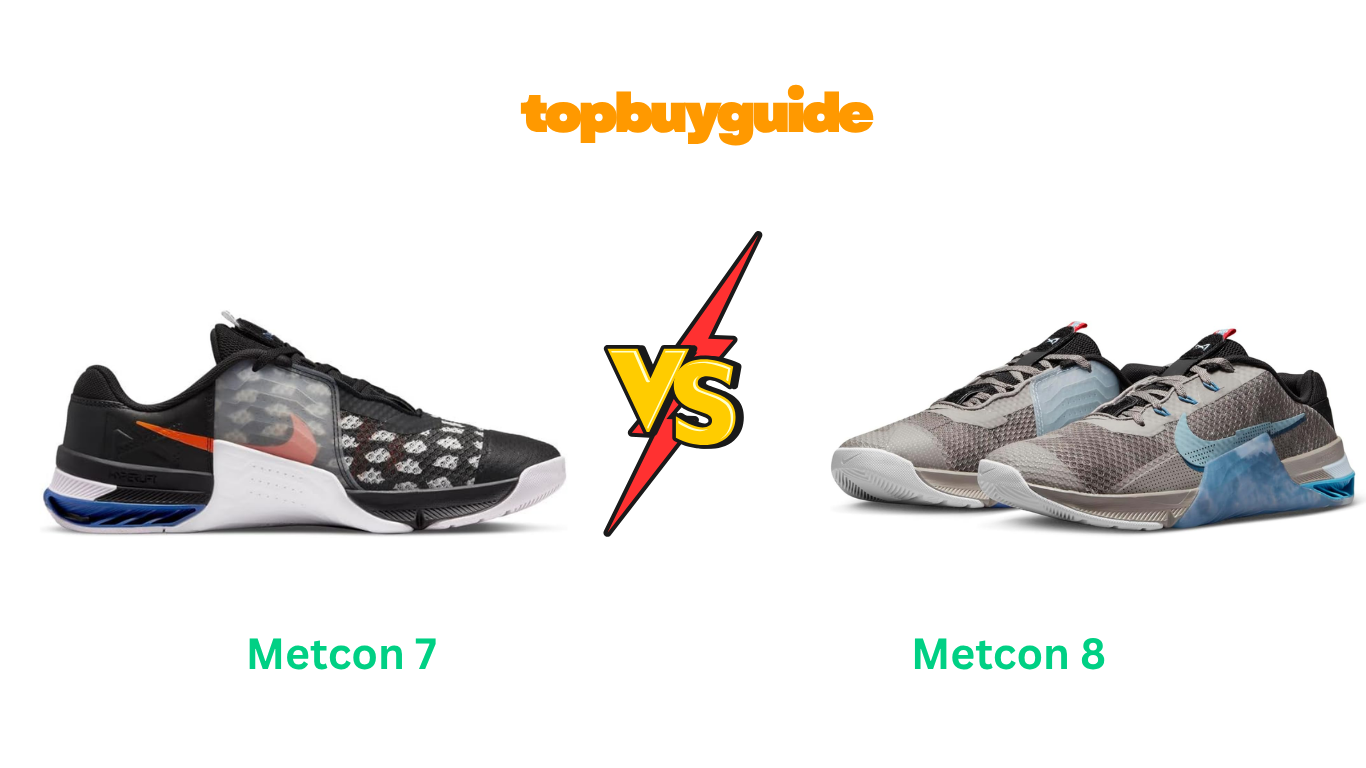
Deciding between the Metcon 7 and Metcon 8 challenges many CrossFit athletes and lifters. Both deliver excellent stability and durability for functional fitness. However, I recommend the Metcon 8 for most athletes. It offers superior upper durability with reinforced overlays and 126% more flexibility than average trainers. The updated lace lock system prevents snagging during workouts, making it the smarter investment for long-term performance.
Why Do I Recommend The Metcon 8?
The Metcon 8 improves upon its predecessor in several critical areas that enhance your training experience:
• Enhanced Upper Durability: The Metcon 8 features heat-welded plastic overlays similar to those on the Nike Kyrie 3 basketball shoe. These reinforcements significantly reduce tearing and ripping during intense workouts. In contrast, the Metcon 7’s chain-link mesh upper shows wear quickly, with many users reporting durability issues in the toe box after just a few months of CrossFit training.
• Superior Flexibility for Better Movement: The Metcon 8 is 126% more flexible than average training shoes, with flexibility extending through the midfoot. This allows for better foot articulation during dynamic movements. Conversely, the Metcon 7 only bends in the forefoot, limiting natural foot motion and making transitions feel stiffer during complex workouts.
• Improved Lace Lock System: The updated lace lock in the Metcon 8 eliminates the problematic exposed velcro from the Metcon 7. The new system keeps laces secure without catching on pants or other fabrics during workouts. The Metcon 7’s velcro-based system frequently snagged, creating frustration and potential durability concerns.
• Lighter Weight for Enhanced Performance: The Metcon 8 weighs approximately 20 grams less than the Metcon 7. While both are substantial training shoes, this weight reduction makes a noticeable difference during high-rep MetCons. The lighter construction reduces fatigue without compromising the stability you need for heavy lifts.
• Better Breathability and Comfort: The Metcon 8’s reworked upper provides improved airflow compared to the Metcon 7’s construction. The cross-stitched mesh design enhances breathability while maintaining structural integrity. The 7’s upper can feel stuffy during intense workouts, especially in warmer environments.
• Less Stretchy Upper for More Stability: The Metcon 8’s upper material stretches less than the Metcon 7’s, providing better lateral support during lifting and agility movements. This reduced stretch keeps your foot locked in place. The 7’s stretchier upper can feel less secure during heavy squats or quick directional changes.
• Thicker, More Padded Tongue: The Metcon 8 features a thicker tongue that provides additional comfort and pressure relief. This upgrade makes extended training sessions more comfortable. The Metcon 7’s thinner tongue can create pressure points when laced tightly for lifting sessions.
• Updated Customization Options: The Metcon 8 offers expanded color palettes, chrome finishes, and personalized text options. You can customize every part of the shoe to match your style. The Metcon 7 had fewer customization choices, limiting your ability to create a unique look.
Side By Side Comparison Chart: Metcon 7 vs Metcon 8
| Feature | Metcon 7 | Metcon 8 |
| Upper Material | Chain-link mesh with synthetic overlays | Open-celled mesh with heat-welded overlays |
| Upper Durability | Prone to tearing, especially toe box | Highly durable, resistant to ripping |
| Flexibility | Bends in forefoot only | Extends through midfoot (126% more flexible) |
| Weight | Approximately 12 oz (men’s) | Approximately 20g lighter |
| Lace Lock System | Velcro-based with exposed velcro | Updated tab system, no snagging |
| Medial Rope Guard | Yes, elongated rope wrap | No, replaced with rubber wrap |
| FlyWire Technology | Yes, on last three eyelets | No, removed |
| Tongue Thickness | Standard padding | Thicker, more padded |
| Breathability | Good | Better, improved airflow |
| Upper Stretch | More stretchy | Less stretchy, more stable |
| Customization Options | Limited color options | Expanded palette with chrome/marble |
| Toe Box Size | Wider | Slightly roomier feel |
| Release Year | 2021 | 2022 |
| Price | $130 | $140 (custom colorways) |
What Common Features Can Metcon 7 vs Metcon 8 Shoes Do?
Nike React Foam Midsole
Both the Metcon 7 and Metcon 8 incorporate Nike React foam throughout their midsoles. This lightweight, springy foam provides responsive cushioning for cardio intervals and plyometric movements. The React foam delivers excellent energy return while maintaining firm ground contact during heavy lifts.
Both shoes feature minimal compression under load, ensuring stability when squatting or deadlifting. The foam remains consistent across temperature changes, performing equally well in cold gym environments or outdoor summer workouts. Athletes report comfortable box jumps, double-unders, and walking lunges thanks to this cushioning technology.
Hyperlift Heel Construction
The Metcon 7 and 8 both feature built-in Hyperlift heel systems. Unlike earlier Metcon models with removable inserts, these versions integrate rigid plastic into the heel area. This creates a stable, elevated platform for weightlifting without needing separate shims.
The Hyperlift distributes weight from edge to edge, providing exceptional stability during squats, deadlifts, and Olympic lifts. Both shoes maintain a 4mm heel-to-toe drop that keeps your foot relatively flat. However, the Hyperlift heel creates a blocky, clunky feel that limits running versatility in both models.
Full Rubber Outsole with Herringbone Pattern
Both models feature completely rubber outsoles with herringbone traction patterns. The sticky rubber grips gym floors, turf, and outdoor surfaces exceptionally well. Neither shoe experiences slippage during sled pushes, lateral movements, or quick direction changes. The herringbone design provides multidirectional grip without collecting debris.
Both outsoles include flex grooves in the forefoot to allow natural toe flexion. The substantial rubber coverage ensures excellent durability, with many users reporting 500+ hours of training before significant wear appears.
Rope Climbing Capabilities
The Metcon 7 and 8 both excel at rope climbing thanks to durable rubber wraps around the midfoot. These wraps protect the shoe from abrasion during S-wrap and J-wrap climbing techniques. Both provide excellent grip on ropes without damaging the upper materials.
While the Metcon 7 includes a dedicated medial rope guard and the 8 replaces it with extended rubber, performance remains comparable. Athletes report confident rope climbs in both models without excessive wear or reduced traction over time.
Low Stack Height and Ground Contact
Both shoes feature low-profile construction with minimal stack heights. The Metcon 8 measures approximately 21.8mm in the heel and 17.6mm in the forefoot. The Metcon 7 has similar measurements, keeping athletes close to the ground.
This low stack promotes stability during lifting by reducing leverage and wobble. Both models feel grounded and secure, especially when handling maximum loads. The minimal height also improves proprioception and ground feel during agility work and plyometric movements.
Handstand Push-Up Clip
The Metcon 7 and 8 include heel clips designed to reduce drag during handstand push-ups and wall walks. This small plastic feature minimizes friction against walls during gymnastics movements. While the effect is subtle, both shoes perform similarly for inverted exercises.
The clips don’t interfere with regular training and provide a smooth surface for wall-based movements. CrossFit athletes appreciate this thoughtful design element during EMOM workouts and gymnastics skill practice.
Narrow Nike Fit
Both models share the stereotypical narrow Nike athletic fit. The Metcon 7 and 8 work best for neutral to narrow-width feet. Wide-footed athletes often struggle with both models, experiencing pinching in the midfoot and toe box.
Neither shoe offers wide-width options, limiting accessibility. Many reviewers recommend sizing up half a size for better comfort. The snug fit does provide excellent lockdown for those with appropriate foot widths. Both models require a break-in period to soften and conform to your foot shape.
Stability for Heavy Lifting
The Metcon 7 and 8 deliver exceptional stability for barbell movements. Both feature wide, flat heel platforms that resist rolling and tilting. Athletes have successfully squatted over 400 lbs and deadlifted over 500 lbs in each model.
The firm midsole construction prevents excessive compression under load. Both shoes provide confident foot placement during Olympic lifts, powerlifting movements, and strongman training. The stability makes them suitable for heavy singles, working sets, and high-rep strength work alike.
Common Features of Metcon 7 vs Metcon 8
| Feature | Metcon 7 | Metcon 8 |
| Midsole Foam | Nike React | Nike React |
| Heel System | Built-in Hyperlift | Built-in Hyperlift |
| Heel-to-Toe Drop | 4mm | 4mm |
| Outsole Material | Full rubber | Full rubber |
| Outsole Pattern | Herringbone | Herringbone |
| Rope Climbing Ability | Excellent | Excellent |
| Stack Height | Low profile | Low profile |
| Handstand Clip | Yes | Yes |
| Width Options | Standard only | Standard only |
| Fit Type | Narrow Nike fit | Narrow Nike fit |
| Best For | CrossFit, lifting, HIIT | CrossFit, lifting, HIIT |
| Running Suitability | Poor (blocky heel) | Poor (blocky heel) |
| Stability Level | Excellent | Excellent |
| Gusseted Tongue | Yes | Yes |
A Detailed Comparison Of the Metcon 7 vs Metcon 8
Upper Construction and Materials
The Metcon 8 features open-celled mesh with strategically placed heat-welded plastic overlays. These overlays extend from the forefoot to the start of the heel. The lateral toe box receives especially heavy reinforcement, making it highly resistant to tearing. Lab testing shows these materials barely dent after 12 seconds of drilling with a Dremel tool, demonstrating incredible durability.
The Metcon 7 uses chain-link mesh with synthetic layers over the toe box. While this construction provides breathability and flexibility, it shows wear quickly. Many users report the nylon mesh picking up nicks and the overlays beginning to separate after rope climb workouts. The Metcon 7’s upper becomes haggard-looking within weeks of intensive training.
Flexibility and Range of Motion
The Metcon 8 delivers dramatically improved flexibility throughout the entire shoe. Flexibility extends through the midfoot, allowing natural foot articulation during running strides and dynamic movements. Lab testing reveals the Metcon 8 is 126% more flexible than average training shoes. Manual flex tests rate it 1 out of 5 for both longitudinal and torsional flexibility, where 1 represents maximum pliability.
The Metcon 7 only flexes in the forefoot region. The midfoot and heel remain rigid, limiting natural foot motion. This restriction becomes noticeable during box jumps, running intervals, and any movement requiring full foot flexion. Athletes accustomed to more flexible trainers find the Metcon 7’s stiffness limiting for varied training.
Lacing System and Lockdown
The Metcon 8 uses a traditional lacing system with an updated lace lock tab at the top eyelet. This simple mechanism secures laces without exposed velcro. Nothing catches on pants, socks, or other fabrics during workouts. The system works reliably across all training modalities without requiring constant adjustment.
The Metcon 7 features internal loop lacing on the medial side with FlyWire cables on the last three eyelets. The velcro-based lace lock sits on the tongue with both top and bottom attachment points. However, this system leaves exposed velcro regardless of whether you use it. The velcro catches on fabrics constantly, creating frustration and durability concerns throughout the shoe’s lifespan.
Weight and Inertia
The Metcon 8 weighs approximately 20 grams less than the Metcon 7. For a men’s size 9, this brings the weight down to roughly 11.7 ounces versus the Metcon 7’s 12 ounces. While neither shoe feels lightweight compared to running shoes, this reduction improves performance during high-rep MetCons and cardio intervals.
The Metcon 7’s heavier weight becomes more noticeable during WODs with significant volume. The extra mass creates unwanted inertia during double-unders, burpees, and running segments. Athletes training multiple times per week notice the cumulative fatigue from the additional weight. The Metcon 8’s lighter construction reduces this training stress.
Breathability and Temperature Management
The Metcon 8’s reworked upper provides improved ventilation compared to the Metcon 7. The cross-stitched mesh design allows better airflow while maintaining structural support. The open-celled construction promotes heat dissipation during intense training sessions. Athletes report staying cooler during summer workouts and indoor training.
The Metcon 7’s chain-link mesh offers decent breathability but doesn’t match the Metcon 8’s airflow. The additional synthetic overlays in high-wear areas reduce ventilation. Some users find the Metcon 7 runs warm during extended sessions, especially when combined with thick training socks. The temperature difference becomes most apparent during cardio-heavy workouts.
Toe Box Roominess and Comfort
The Metcon 8 provides a slightly roomier toe box than the Metcon 7. While both maintain Nike’s narrow aesthetic, the Metcon 8 allows marginally better toe splay. The updated upper material accommodates forefoot expansion during lifts without creating excessive pressure. Some athletes report reduced hot spots and blisters compared to the Metcon 7.
The Metcon 7 features a wider toe box than previous Metcon models, which was an improvement at the time. However, the toe box still feels shallow for some foot shapes. Athletes with bunions or wide forefeet can see their big toe pressing through the upper material. The Metcon 7’s fit works best for standard or narrow foot shapes.
Midfoot Support and Stability
The Metcon 8’s less stretchy upper material provides enhanced midfoot support. The lateral rubber wrap delivers excellent arch support, making it suitable for flat-footed athletes. Many users report training comfortably without orthotic inserts thanks to this natural arch support. The reduced stretch keeps your foot locked in position during lateral movements and heavy lifts.
The Metcon 7’s stretchier upper allows more midfoot movement. While the FlyWire cables add some lockdown, the overall construction feels less secure than the Metcon 8. The plastic cage system in the Metcon 7 provides structure but can create pressure points when laced tightly. Athletes preferring maximum midfoot security lean toward the Metcon 8.
Tongue Padding and Comfort
The Metcon 8 features noticeably thicker tongue padding than the Metcon 7. Caliper measurements show increased thickness that distributes lace pressure more evenly. This upgrade reduces discomfort during extended training sessions. The padded tongue prevents lace bite even when tied tightly for maximum foot lockdown.
The Metcon 7’s thinner tongue provides adequate comfort but can create pressure points. When lacing tightly for heavy lifting, some athletes experience discomfort across the top of the foot. The gusseted construction prevents tongue shift but doesn’t offer the cushioning found in the Metcon 8. Long training sessions may require lace adjustments.
Rope Guard Configuration
The Metcon 7 includes a dedicated elongated medial rope guard alongside its lateral rubber wrap. This provides maximum protection during rope climbs using various wrapping techniques. The medial guard specifically protects against abrasion when using J-wrap methods. CrossFit athletes appreciate the comprehensive coverage for this specific movement.
The Metcon 8 removes the medial rope guard but extends the rubber wrap coverage. Nike claims this provides adequate grip and protection while reducing weight and improving flexibility. Testing confirms the Metcon 8 handles rope climbs effectively despite the missing medial guard. The extended rubber wrap still protects the upper from significant abrasion and tearing.
Aesthetic Design and Customization
The Metcon 8 offers significantly expanded customization options through Nike’s platform. Athletes can choose from an updated color palette with chrome finishes on laces, eyelets, and logos. A marble finish option exists for outsoles and sidewalls. You can add personalized text on the lateral heel where the React logo typically appears.
The Metcon 7 came in various pre-made colorways including standard options and the Mat Fraser Personal Edition. Customization options existed but were more limited than the Metcon 8. Athletes wanting highly personalized training shoes find the Metcon 8’s options more appealing. The expanded palette allows better matching with gym apparel and personal style.
Value and Pricing
The Metcon 7 originally retailed for $130, positioning it as a premium training shoe. Now discontinued, it can be found at discounted prices from various retailers. Athletes on budgets can save $30-50 by choosing the Metcon 7. The performance remains excellent despite being the older model.
The Metcon 8 costs $140 for custom colorways, representing a $10 increase over the Metcon 7’s launch price. However, the durability improvements and enhanced features justify the premium. Athletes who train frequently benefit from the superior upper construction that extends the shoe’s lifespan. The Metcon 8 provides better long-term value despite higher upfront costs.
Conclusion
The Metcon 8 stands as the superior choice for serious CrossFit athletes and functional fitness enthusiasts. Its 126% better flexibility enhances movement quality during complex WODs. The reinforced upper resists tearing significantly better than the Metcon 7, extending shoe lifespan.
The improved lace lock eliminates annoying snagging issues. While $10 more expensive, the Metcon 8’s durability and performance upgrades deliver better long-term value. If you find discounted Metcon 7s, they remain excellent shoes, but the Metcon 8 is worth the investment.
FAQs
Q: Is the Metcon 8 worth upgrading from the Metcon 7?
If your Metcon 7s are still in good condition, upgrading isn’t necessary. The differences, while meaningful, don’t justify replacing functional shoes. However, if your Metcon 7 upper shows wear or you experience durability issues, the Metcon 8’s reinforced construction makes it a smart upgrade. The improved flexibility and lace lock also enhance training experience.
Q: Which shoe is better for heavy weightlifting?
Both shoes perform nearly identically for heavy lifting. They share the same midsole, outsole, and Hyperlift heel construction. Athletes have successfully lifted 500+ lb deadlifts and 400+ lb squats in both models. The Metcon 8’s less stretchy upper provides marginally better midfoot lockdown. Choose based on availability and price for pure lifting needs.
Q: Can I use these shoes for running?
Neither shoe excels at running due to blocky Hyperlift heels. Both work acceptably for short runs under half a mile programmed in CrossFit WODs. For anything longer, you’ll find them uncomfortable and clunky. The rigid heel doesn’t flex naturally during running strides. Consider Reebok Nano X3 or NOBULL Outwork for more running-friendly cross-training shoes.
Q: Do these shoes fit true to size?
Both models run true to size for narrow and neutral-width feet. However, Nike’s narrow fit means wide-footed athletes should consider sizing up half a size. The tight midfoot can feel restrictive at true size. Try them on if possible, as neither offers wide-width options. Many reviewers recommend going half size up for comfort.
Q: How long do these shoes typically last?
Both models are exceptionally durable when used for intended purposes. The Metcon 8’s reinforced upper lasts longer than the Metcon 7’s, especially in the toe box. Expect 6-12 months of regular CrossFit training before significant wear. The rubber outsoles outlast most training shoes significantly. Many users exceed one year with proper rotation and care.
Q: Which shoe offers better value?
The Metcon 7 offers better value if found discounted below $100. At full retail prices, the Metcon 8’s $10 premium provides worthwhile upgrades. The superior durability means fewer replacements over time. For athletes training 4-5 times weekly, the Metcon 8’s extended lifespan justifies the additional cost. Budget-conscious buyers should seek Metcon 7 sales.
Q: Are these shoes good for beginners?
Yes, both shoes work excellently for beginners learning CrossFit, functional fitness, or general gym training. The stable platform helps develop proper lifting form. The versatility handles varied workouts without needing multiple shoe types. Beginners should note the narrow fit and consider sizing appropriately. The Metcon 8’s durability makes it especially smart for those ramping up training frequency.
Q: Do I need the FlyWire from the Metcon 7?
No, the FlyWire’s absence in the Metcon 8 doesn’t significantly impact performance. Most athletes don’t notice the difference in lockdown or support. The Metcon 8’s less stretchy upper compensates for the removed FlyWire cables. Both shoes provide adequate midfoot security for CrossFit and lifting. The simplified lacing system in the Metcon 8 actually improves convenience.

Alex Turner is a dedicated product researcher and reviewer at TopBuyGuide.com, known for his clear, honest, and data-driven insights. He spends countless hours testing, comparing, and analyzing products to help readers make confident and informed buying decisions.