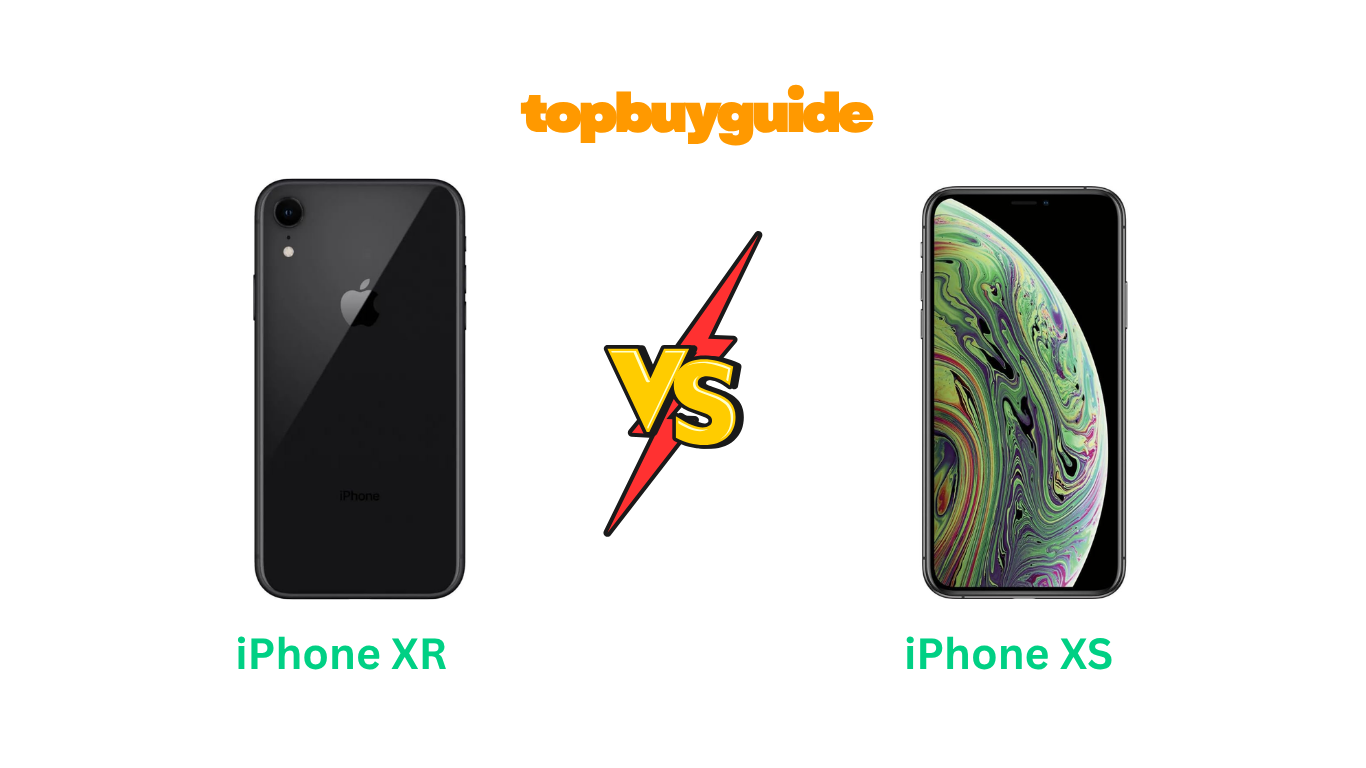
Deciding between the iPhone XR and iPhone XS can be tricky. Both models deliver solid performance with the A12 Bionic chip. After thorough testing and comparison, I recommend the iPhone XR for its superior battery life and larger display. The XR provides 2-3 hours more daily usage and a bigger 6.1-inch screen.
While the XS offers premium OLED technology and dual cameras, the XR’s value proposition and endurance make it the smarter choice. These affordable iPhones still perform excellently in 2025 for budget-conscious buyers.
Why Do I Recommend The iPhone XR?
The iPhone XR surpasses the iPhone XS in several key areas that matter for daily use. Here’s why this device earns my recommendation:
- Significantly longer battery life extends usage – The iPhone XR features a 2,942mAh battery that delivers 15.5 to 16.5 hours on a single charge. In contrast, the iPhone XS packs only 2,658mAh and lasts just 12.5 to 13.5 hours, giving you 2-3 hours less daily usage.
- Larger display improves content consumption – The iPhone XR’s 6.1-inch screen provides more viewing area for videos and reading. The iPhone XS offers only a 5.8-inch display, which feels cramped for multimedia consumption and browsing sessions.
- More affordable pricing saves money – The iPhone XR starts around $190 for used models on marketplaces. The iPhone XS costs approximately $225, making it $35 more expensive without significant practical benefits for most users.
- Vibrant color options express personality – The iPhone XR comes in six exciting colors: black, white, blue, yellow, coral, and red. The iPhone XS limits choices to just three conservative options: silver, space grey, and gold, restricting personalization.
- LCD display conserves battery power – The iPhone XR’s Liquid Retina LCD screen drains significantly less power than OLED. While the iPhone XS’s OLED looks slightly better, it consumes more energy and reduces overall battery performance.
- More durable aluminum construction – The iPhone XR features an aluminum frame that resists fingerprints and scratches better. The iPhone XS uses stainless steel which, although premium-feeling, shows smudges easily and requires constant cleaning.
- Single camera still captures excellent photos – The iPhone XR’s 12MP wide camera with Smart HDR produces stunning images. While the iPhone XS adds a telephoto lens, most users rarely need 2x optical zoom for everyday photography situations.
- Better value retention over time – The iPhone XR maintains stronger resale value due to its popularity. The iPhone XS depreciates faster as buyers prefer the XR’s battery life and practical advantages over premium finishes.
Side By Side Comparison Chart: iPhone XR vs XS
| Feature | iPhone XR | iPhone XS |
| Display Type | Liquid Retina LCD | Super Retina OLED |
| Display Size | 6.1 inches | 5.8 inches |
| Resolution | 1792 x 828 (326 ppi) | 2436 x 1125 (458 ppi) |
| Rear Cameras | Single 12MP | Dual 12MP |
| Optical Zoom | No | 2x telephoto |
| Frame Material | Aluminum | Stainless Steel |
| Battery Capacity | 2,942mAh | 2,658mAh |
| Battery Life | 15.5-16.5 hours | 12.5-13.5 hours |
| RAM | 3GB | 4GB |
| Water Resistance | IP67 (1m/30min) | IP68 (2m/30min) |
| Color Options | 6 colors | 3 colors |
| Weight | 194g | 177g |
| 3D Touch | No (Haptic Touch) | Yes |
| Storage Options | 64GB, 128GB, 256GB | 64GB, 256GB, 512GB |
| Launch Price | $749 | $999 |
Features
iPhone XR
The iPhone XR features a 6.1-inch Liquid Retina LCD display with 1792 x 828 resolution. This screen delivers 326 pixels per inch with excellent color accuracy. The display supports True Tone technology for adaptive white balance. Maximum brightness reaches 625 nits for good outdoor visibility.
The single 12MP wide-angle camera includes optical image stabilization. This camera uses a 1/2.55-inch sensor with 1.4μm pixel size. Smart HDR processing enhances dynamic range significantly. Portrait Mode works exclusively for human subjects using software depth detection.
The A12 Bionic chip powers the device with six CPU cores and four GPU cores. This processor is built on a 7-nanometer process for efficiency. The device includes 3GB RAM for multitasking. Storage options include 64GB, 128GB, and 256GB configurations.
The aluminum frame creates a durable and lightweight construction. Color options include black, white, blue, yellow, coral, and Product Red. The device weighs 194 grams, slightly heavier than the XS. All color variants feature black front bezels.
Face ID provides secure authentication using the TrueDepth camera system. The 7MP front camera supports Portrait Mode and Animoji features. Video recording reaches 4K at 60 frames per second. Stereo speakers deliver spatial audio for immersive sound.
iPhone XS
The iPhone XS features a 5.8-inch Super Retina OLED display with 2436 x 1125 resolution. This screen achieves 458 pixels per inch for exceptional sharpness. OLED technology delivers true blacks and infinite contrast ratios. HDR10 and Dolby Vision support enhances video content.
The dual 12MP camera system includes wide and telephoto lenses. Both cameras feature optical image stabilization for stable shots. The telephoto lens enables 2x optical zoom capabilities. Portrait Mode works on any subject, not just people.
The A12 Bionic chip matches the XR’s processor exactly. However, the XS includes 4GB RAM compared to 3GB. This extra memory helps with intensive multitasking. Storage options extend up to 512GB for maximum capacity.
The stainless steel frame provides a premium feel and appearance. The surgical-grade steel resists corrosion effectively. Available colors include silver, space grey, and gold. The device weighs 177 grams, making it notably lighter.
The 2,658mAh battery is smaller than the XR’s capacity. Battery life reaches approximately 12.5 to 13.5 hours. IP68 water resistance allows submersion up to 2 meters. 3D Touch enables pressure-sensitive display interactions.
What Common iPhone XR vs XS Features Can Do?
Both devices share numerous capabilities that define the 2018 iPhone experience. Understanding these commonalities helps you appreciate what both models deliver.
A12 Bionic Processor
Both iPhones run on the same powerful A12 Bionic chip. This processor features a 6-core CPU with 2 performance and 4 efficiency cores. The 4-core GPU handles graphics-intensive tasks smoothly. Neural Engine processes machine learning operations 9 times faster than previous generations. Apps launch instantly and multitasking remains fluid. Games run at high frame rates without stuttering or lag. The 7-nanometer architecture ensures exceptional power efficiency. Users experience identical performance whether choosing XR or XS.
Face ID Technology
Each device uses the same TrueDepth camera system for Face ID. Facial recognition works in various lighting conditions, including complete darkness. The system creates a detailed 3D map of your face. Unlocking happens almost instantaneously when you look at the screen. Face ID secures Apple Pay transactions and password autofill. Both phones support Attention Aware features for added security. The technology adapts to changes in appearance over time. Masks, glasses, and facial hair don’t prevent accurate recognition.
Wireless Charging
Both models support Qi wireless charging at 7.5W speeds. MagSafe wasn’t introduced until later iPhone generations. Place either phone on any Qi-compatible charging pad. Charging begins automatically without cable connections. The glass back enables efficient wireless power transfer. Both devices also support fast wired charging. Using an 18W adapter charges to 50% in 30 minutes. This convenience eliminates cable wear and tear completely.
Water Resistance
Both iPhones resist water and dust ingress effectively. The iPhone XR features IP67 rating for 1-meter submersion. The iPhone XS has IP68 rating for 2-meter depth. Both can withstand 30 minutes underwater at their rated depths. Protection extends to accidental spills and rain exposure. You can confidently use either phone near pools or beaches. The sealing protects internal components from liquid damage. However, water damage isn’t covered under warranty.
iOS Software Support
Both devices shipped with iOS 12 and receive regular updates. As of 2025, both phones support iOS 18 fully. The software experience remains identical across both models. Users access all the latest features and security patches. Dark Mode, widgets, and App Library work perfectly. Both phones will not support iOS 26 due to hardware limitations. However, they remain highly capable for several more years. Software support ensures long-term usability and security.
TrueDepth Front Camera
Each phone includes a 7MP TrueDepth front-facing camera. This camera enables Portrait Mode selfies with depth effects. Portrait Lighting adds studio-quality lighting adjustments. Animoji and Memoji create personalized animated characters. The camera records 1080p HD video at 60fps. Slow-motion selfie videos add creative options. Front-facing Retina Flash brightens low-light selfies. Video calls on FaceTime look clear and detailed.
4K Video Recording
Both devices record exceptional 4K video at up to 60fps. Extended dynamic range preserves highlights and shadows. Stereo audio recording captures immersive sound. Cinematic video stabilization reduces shake effectively. Slow-motion video reaches 1080p at 240fps. Time-lapse mode creates stunning compressed videos. The cameras support QuickTake for instant video while photographing. Professional-quality video is accessible to everyone.
Dual SIM Support
Both phones support dual SIM functionality through eSIM. The physical nano-SIM slot accepts one carrier. The eSIM adds a second line for travel or work. Users can maintain two phone numbers simultaneously. Switching between lines happens in settings easily. International travelers benefit from local SIM flexibility. China versions include dual physical SIM slots instead. This feature increases connectivity options significantly.
Common Features of iPhone XR vs XS
| Feature | iPhone XR | iPhone XS |
| Processor | A12 Bionic (7nm) | A12 Bionic (7nm) |
| CPU Cores | 6-core | 6-core |
| GPU Cores | 4-core | 4-core |
| Neural Engine | Yes | Yes |
| Face ID | Yes (TrueDepth) | Yes (TrueDepth) |
| Front Camera | 7MP | 7MP |
| Wireless Charging | Qi (7.5W) | Qi (7.5W) |
| Fast Charging | 18W (50% in 30min) | 18W (50% in 30min) |
| Portrait Mode (Front) | Yes | Yes |
| Animoji/Memoji | Yes | Yes |
| 4K Video Recording | Up to 60fps | Up to 60fps |
| Slow Motion | 1080p at 240fps | 1080p at 240fps |
| Stereo Speakers | Yes | Yes |
| Dual SIM | Nano-SIM + eSIM | Nano-SIM + eSIM |
| Bluetooth | 5.0 | 5.0 |
| NFC | Yes (Apple Pay) | Yes (Apple Pay) |
| Lightning Port | Yes | Yes |
| iOS Support | Up to iOS 18 | Up to iOS 18 |
A Detailed Comparison Of the iPhone XR vs XS
Display Quality
The iPhone XS features a stunning Super Retina OLED display with true blacks. The 458 ppi resolution delivers incredibly sharp text and images. Colors appear more vibrant and saturated compared to LCD technology. HDR10 and Dolby Vision support enhances streaming content dramatically. Side-by-side comparisons show the OLED’s superior contrast and depth.
The iPhone XR uses a Liquid Retina LCD that Apple calls the “most advanced LCD ever.” While not as sharp with 326 ppi, the display still looks excellent. Colors remain accurate and bright for daily use. The larger 6.1-inch size compensates for lower pixel density. Most users won’t notice the resolution difference in normal viewing distances.
Camera Capabilities
The iPhone XS’s dual camera system provides significant versatility for photography. The telephoto lens enables 2x optical zoom without quality loss. Portrait Mode works on any subject, including pets and objects. Depth control adjusts bokeh after taking photos. The dual cameras create more accurate depth maps consistently.
The iPhone XR’s single camera still produces exceptional photos. Smart HDR combines multiple exposures for improved dynamic range. Portrait Mode on humans works remarkably well using computational photography. DxOMark rated the XR as the top single-lens camera. However, you cannot zoom optically or shoot portraits of objects.
Battery Performance
The iPhone XR delivers superior battery life that lasts entire days. The 2,942mAh capacity is 284mAh larger than the XS. Users consistently get 15.5 to 16.5 hours of mixed usage. The LCD display consumes significantly less power than OLED. Heavy users appreciate not needing afternoon charging sessions.
The iPhone XS struggles to match the XR’s endurance. The 2,658mAh battery provides only 12.5 to 13.5 hours. The OLED display drains power faster despite efficiency improvements. Users with demanding workflows may need portable chargers. The 2-3 hour difference is substantial for all-day productivity.
Build Quality and Design
The iPhone XS uses premium stainless steel for its frame. The shiny finish looks luxurious and feels substantial. However, stainless steel shows fingerprints and smudges constantly. The material requires frequent cleaning to maintain appearance. The 177-gram weight feels lighter and more manageable.
The iPhone XR features an aluminum frame that’s more practical. The matte finish resists fingerprints much better. Color-matched frames coordinate beautifully with the glass back. The 194-gram weight is heavier but still comfortable. Six color options allow greater personal expression and style.
RAM and Multitasking
The iPhone XS includes 4GB RAM for enhanced multitasking capabilities. Apps remain in memory longer without reloading. Heavy multitaskers benefit from the extra memory buffer. Safari tabs stay active even with many open. Professional apps run more smoothly with complex projects.
The iPhone XR operates with 3GB RAM but still performs excellently. For most users, the difference is imperceptible. Apps reload occasionally when switching between many programs. Basic to moderate multitasking works perfectly fine. The A12 Bionic compensates for lower RAM efficiently.
Water Resistance
The iPhone XS achieves IP68 rating for deeper water resistance. It withstands submersion up to 2 meters for 30 minutes. This extra meter provides additional peace of mind. Underwater photography becomes slightly more feasible. The superior sealing protects against severe water exposure.
The iPhone XR has IP67 rating for 1-meter depth. This protection handles splashes, spills, and rain perfectly. Most users never submerge phones beyond 1 meter anyway. The practical difference remains minimal for normal use. Both ratings exclude water damage from warranty coverage.
Display Technology Features
The iPhone XS supports 3D Touch for pressure-sensitive interactions. Pressing harder activates contextual menus and quick actions. Peek and Pop features preview content without opening. Some users find these shortcuts invaluable. However, Apple discontinued 3D Touch in later models.
The iPhone XR uses Haptic Touch instead of 3D Touch. Long-press gestures combined with haptic feedback replicate similar functionality. The experience feels slightly less intuitive initially. Most users adapt quickly to the new interaction method. Apple moved entirely to Haptic Touch across all models.
Storage Flexibility
The iPhone XS offers storage up to 512GB for power users. This capacity accommodates massive photo libraries and 4K videos. The three storage tiers provide flexibility for different budgets. Users who need extensive local storage appreciate this option. However, the 512GB version costs significantly more.
The iPhone XR maxes out at 256GB storage. This limitation may frustrate users with extensive media collections. However, the 128GB middle option provides better value. Most users find 128GB sufficient with cloud storage. The missing 512GB option keeps prices more affordable overall.
Conclusion
The iPhone XR emerges as the smarter choice for most buyers. Its superior battery life delivers 2-3 hours more daily usage than the XS. The larger 6.1-inch display enhances content consumption and productivity significantly. Six vibrant color options let you express your personality. At $190 for used models versus $225 for the XS, the XR offers better value. Unless you absolutely need the OLED display and dual cameras, choose the XR. Click the link now to secure the best deal available.
FAQs
Q: Is the iPhone XS camera significantly better than the iPhone XR?
A: The iPhone XS has a dual camera with 2x optical zoom and better Portrait Mode versatility. However, the iPhone XR’s single camera still produces excellent photos for most situations. DxOMark rated the XR highly among single-lens phones. Unless you need telephoto zoom frequently, the XR’s camera satisfies most users.
Q: How much better is the OLED display on the iPhone XS?
A: The iPhone XS’s OLED display offers sharper images, deeper blacks, and more vibrant colors. The 458 ppi resolution is significantly higher than the XR’s 326 ppi. However, the difference is only noticeable during close inspection. The XR’s LCD still looks excellent for everyday use and consumes less battery.
Q: Which phone has better battery life?
A: The iPhone XR has substantially better battery life, lasting 15.5-16.5 hours compared to the XS’s 12.5-13.5 hours. That’s 2-3 hours more usage daily. The XR’s larger 2,942mAh battery and power-efficient LCD display contribute to superior endurance. Heavy users will definitely notice this difference throughout the day.
Q: Are both phones still worth buying in 2025?
A: Yes, both phones remain capable in 2025 with iOS 18 support. The A12 Bionic chip still handles modern apps smoothly. However, they won’t receive iOS 26 updates. For budget-conscious buyers, these phones offer excellent value. Expect 2-3 more years of reliable service before software limitations appear.
Q: Is the iPhone XS worth the extra $35 cost?
A: For most users, no. The iPhone XS costs approximately $35 more used. That premium gets you OLED display, dual cameras, and stainless steel. However, you sacrifice battery life and get a smaller screen. Unless photography is your priority, the XR delivers better overall value.
Q: Can the iPhone XR take Portrait Mode photos of pets?
A: No, the iPhone XR’s Portrait Mode only works on human faces. The single camera uses software depth detection that requires facial recognition. The iPhone XS can photograph any subject in Portrait Mode. This limitation frustrates pet owners who want professional-looking pet photos.
Q: Which phone is more durable?
A: Both phones feature similar durability with glass fronts and backs. The iPhone XR’s aluminum frame resists fingerprints better. The iPhone XS’s stainless steel looks premium but shows smudges easily. Both have similar drop resistance. The XR’s IP67 vs XS’s IP68 rating makes minimal practical difference.
Q: Does the extra 1GB RAM in the iPhone XS matter?
A: The iPhone XS’s 4GB RAM versus the XR’s 3GB provides slightly better multitasking. Apps reload less frequently when switching between many programs. However, most users won’t notice significant differences. The A12 Bionic manages memory efficiently on both devices. Power users benefit more from extra RAM.

Alex Turner is a dedicated product researcher and reviewer at TopBuyGuide.com, known for his clear, honest, and data-driven insights. He spends countless hours testing, comparing, and analyzing products to help readers make confident and informed buying decisions.