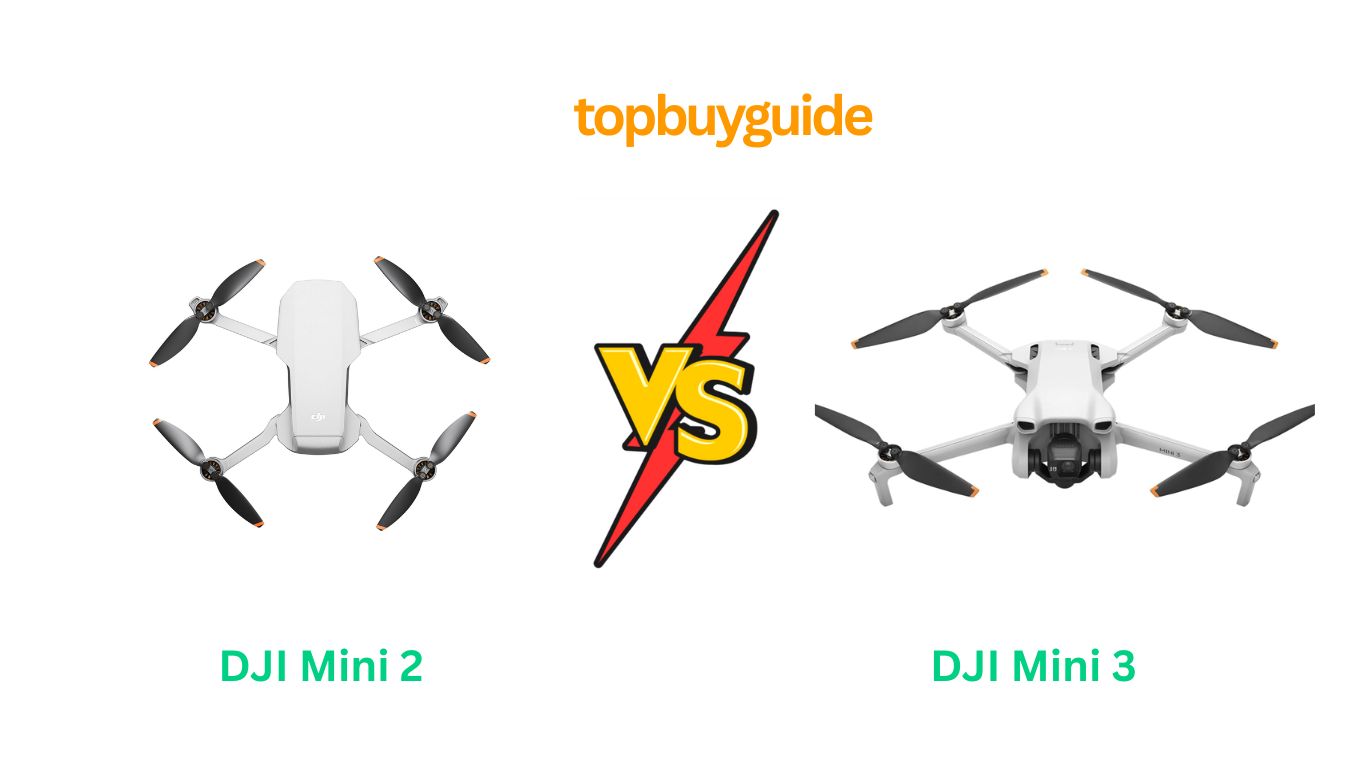
Choosing between the DJI Mini 2 and Mini 3 can be challenging for drone enthusiasts. Both weigh under 249 grams, avoiding registration requirements in most regions. However, I recommend the DJI Mini 3 for most users. It offers superior camera capabilities with a larger 1/1.3-inch sensor and vertical shooting mode. The Mini 3 also includes HDR video recording and extended flight time options. While the Mini 2 remains an excellent budget choice, the Mini 3 provides better value for modern content creators.
Why Do I Recommend The DJI Mini 3?
The Mini 3 stands out as the superior choice for several compelling reasons:
- Larger Camera Sensor: The Mini 3 features a 1/1.3-inch CMOS sensor with f/1.7 aperture, significantly larger than the Mini 2’s sensor. This improvement delivers better low-light performance and more detailed images. In contrast, the Mini 2’s smaller sensor struggles in challenging lighting conditions.
- Vertical Shooting Capability: The Mini 3 camera rotates 90 degrees for vertical video recording, perfect for social media platforms. This game-changing feature makes creating TikTok and Instagram Reels content effortless. The Mini 2 lacks this functionality entirely, limiting content creation flexibility.
- HDR Video Recording: The Mini 3 captures stunning HDR video with enhanced dynamic range and color depth. This feature produces professional-quality footage in high-contrast scenes. Meanwhile, the Mini 2 offers only standard video recording without HDR capabilities.
- Extended Flight Time: The Mini 3 achieves 38 minutes with standard battery and 51 minutes with the extended battery plus option. This longer airtime provides more creative opportunities per flight. Comparatively, the Mini 2 maxes out at 31 minutes of flight time.
- Better Wind Resistance: The Mini 3 handles winds up to 24 mph with improved stability and smoother footage capture. Its upgraded motors and design provide superior performance in challenging weather. The Mini 2, while capable, offers less consistent performance in windy conditions.
- Improved Transmission Range: The Mini 3 delivers up to 12 km maximum video transmission distance in optimal conditions. This extended range allows for more adventurous flights and exploration. The Mini 2’s 10 km range, though impressive, falls short of the newer model.
- Modern Design Features: The Mini 3 incorporates lessons from the Mini 3 Pro with optimized aerodynamics and gimbal design. The updated aesthetics and functionality reflect DJI’s latest engineering advances. The Mini 2’s older design, while reliable, lacks these modern refinements.
- Enhanced Low-Light Performance: The Mini 3’s larger aperture and better sensor capture clearer footage during golden hour and dusk. This capability significantly expands shooting possibilities throughout the day. The Mini 2 produces acceptable results but shows more noise in low-light situations.
Side By Side Comparison Chart: DJI Mini 2 vs Mini 3
| Features | DJI Mini 2 | DJI Mini 3 |
| Camera Sensor | 1/2.3-inch CMOS | 1/1.3-inch CMOS |
| Aperture | f/2.8 | f/1.7 |
| Video Resolution | 4K@30fps | 4K@30fps, HDR |
| Vertical Shooting | No | Yes |
| ISO Range | 100-3200 | 100-3200 |
| Flight Time (Standard Battery) | 31 minutes | 38 minutes |
| Flight Time (Extended Battery) | N/A | 51 minutes |
| Max Transmission Range | 10 km | 12 km |
| Wind Resistance | Up to 24 mph | Up to 24 mph |
| Obstacle Sensing | Bottom only | Bottom only |
| Price (Base Model) | $449 | $419 |
What Common Features Can DJI Mini 2 vs Mini 3 Drones Do?
Lightweight Sub-250g Design
Both the Mini 2 and Mini 3 maintain weights below 249 grams, a crucial regulatory threshold. This design choice exempts users from drone registration requirements in many countries and regions worldwide. The lightweight construction doesn’t compromise build quality, as both models feature durable materials and foldable designs. Portability remains excellent for both drones, fitting easily into small bags and backpacks for travel adventures.
4K Video Recording
The Mini 2 and Mini 3 both capture stunning 4K video at 30 frames per second. This resolution delivers crisp, detailed footage suitable for professional projects and social media content alike. Both drones maintain excellent color accuracy and sharpness throughout their recordings. Users can expect broadcast-quality results from either model when properly configured and flown skillfully.
3-Axis Gimbal Stabilization
Both drones employ sophisticated 3-axis mechanical gimbal systems for ultra-smooth footage capture. These gimbals compensate for drone movements, vibrations, and wind interference during flight operations. The stabilization technology ensures professional-looking results even in moderately challenging flying conditions. Whether shooting cinematic sequences or simple establishing shots, both models deliver remarkably steady video output.
QuickShots Intelligent Flight Modes
The Mini 2 and Mini 3 include QuickShots, offering pre-programmed flight patterns for cinematic videos. Users can select from Dronie, Helix, Rocket, Circle, and Boomerang automated flight sequences. These intelligent modes require minimal piloting skill while producing professional-quality footage with single-tap simplicity. Both drones execute these movements smoothly, making complex shots accessible to beginner pilots.
DJI Fly App Integration
Both models integrate seamlessly with the intuitive DJI Fly mobile application for iOS and Android devices. The app provides live camera feeds, telemetry data, and comprehensive flight controls through user-friendly interfaces. Pilots can adjust camera settings, review captured media, and apply creative editing features within the application. The app also offers flight tutorials and safety reminders for responsible drone operation.
GPS Positioning and Safety Features
The Mini 2 and Mini 3 utilize GPS and GLONASS satellite positioning for precise hovering and navigation. Both drones include Return to Home functionality, automatically flying back to takeoff points when activated. GEO fencing prevents flights in restricted airspace zones like airports and military installations. These safety features protect both the drone and surrounding people and property during operations.
Photo Capture Capabilities
Both drones capture 12-megapixel still images in JPEG and RAW formats for maximum post-processing flexibility. Automatic Exposure Bracketing (AEB) shoots multiple exposures for HDR photo creation in challenging lighting situations. Panorama modes include Wide-Angle, 180-degree, and Sphere options for stunning wide-format imagery. The photo quality from both models satisfies most consumer and semi-professional photography applications.
Common Features of DJI Mini 2 vs Mini 3
| Features | DJI Mini 2 | DJI Mini 3 |
| Weight | <249g | <249g |
| Video Resolution | 4K@30fps | 4K@30fps |
| Photo Resolution | 12MP | 12MP |
| Gimbal | 3-axis | 3-axis |
| QuickShots | Yes | Yes |
| Panorama Modes | Yes | Yes |
| GPS/GLONASS | Yes | Yes |
| Return to Home | Yes | Yes |
| DJI Fly App | Yes | Yes |
| AEB Mode | Yes | Yes |
| RAW Format | Yes | Yes |
| Operating Temp | 0-40°C | 0-40°C |
A Detailed Comparison Of the DJI Mini 2 vs Mini 3
Camera Sensor Size and Aperture
The Mini 3 employs a significantly larger 1/1.3-inch CMOS sensor compared to the Mini 2’s 1/2.3-inch sensor. This size difference translates to better light gathering capability, reduced noise, and improved overall image quality. The Mini 3 also features a wider f/1.7 aperture versus the Mini 2’s f/2.8 aperture for enhanced low-light performance.
The Mini 2’s smaller sensor performs admirably in good lighting conditions but shows limitations during dawn, dusk, or overcast weather. While both drones capture 12-megapixel stills, the Mini 3’s larger sensor produces images with superior detail and dynamic range.
Vertical Video Shooting Mode
The Mini 3 introduces a revolutionary vertical shooting mode where the camera rotates 90 degrees at the push of a button. This feature proves invaluable for content creators focusing on vertical platforms like TikTok, Instagram Reels, and YouTube Shorts. The rotation mechanism operates smoothly without requiring manual adjustments or post-production cropping.
The Mini 2 lacks any vertical shooting capability, forcing users to crop horizontal footage in post-production. This cropping reduces effective resolution and limits creative framing options during flight. For social media creators, this single feature alone may justify choosing the Mini 3.
HDR Video Capabilities
The Mini 3 captures HDR (High Dynamic Range) video, preserving detail in both highlights and shadows simultaneously. This technology produces more cinematic footage with enhanced color depth and visual appeal in high-contrast scenes. HDR recording particularly shines when shooting landscapes with bright skies and darker foregrounds.
The Mini 2 records standard dynamic range video, which can struggle with exposure balance in challenging lighting. Users often must choose between properly exposing skies or ground subjects. While the Mini 2’s video quality remains excellent, it cannot match the Mini 3’s HDR capabilities.
Flight Time and Battery Options
The Mini 3 achieves 38 minutes of flight time with the standard Intelligent Flight Battery. An optional extended battery increases flight time to an impressive 51 minutes, though it adds weight beyond 250 grams. These extended flight times provide more creative opportunities and reduce battery-swapping frequency during shooting sessions.
The Mini 2 offers 31 minutes of maximum flight time with no extended battery option available. While sufficient for most applications, this shorter duration requires more frequent landings for battery changes. The seven-minute difference may not seem substantial but accumulates significantly over extended shooting days.
Maximum Transmission Range
The Mini 3 boasts a maximum transmission range of 12 km under optimal, interference-free conditions. This extended range provides confidence when flying in open areas and reduces signal-related anxiety. The improved range also means more reliable video transmission at moderate distances where interference exists.
The Mini 2 offers a 10 km maximum transmission range, still impressive but slightly less than its successor. Both ranges exceed practical visual line-of-sight limitations in most countries. However, the extra range margin in the Mini 3 provides better signal strength and reliability overall.
Price and Value Proposition
The Mini 3 currently retails at $419 for the base package, surprisingly less than the Mini 2’s original launch price. Fly More Combo packages include additional batteries, charging hubs, and carrying cases at competitive prices. The Mini 3’s pricing strategy makes it an exceptional value considering its upgraded features.
The Mini 2 typically sells for around $449, though prices vary with promotions and bundle options. While still excellent value, the Mini 2’s older technology and fewer features make it less compelling. Budget-conscious buyers might consider the Mini 2, but most should invest in the Mini 3’s improvements.
Wind Resistance and Stability
Both the Mini 2 and Mini 3 handle wind speeds up to 24 mph with reasonable stability. The Mini 3’s improved aerodynamic design and updated motors provide slightly better performance in gusty conditions. Real-world testing shows the Mini 3 maintains smoother footage when winds approach maximum tolerances.
The Mini 2 performs admirably in moderate winds but shows more drift and correction movements in stronger gusts. Both drones automatically warn pilots when wind speeds become dangerous and recommend landing. Neither drone should be flown in stormy or excessively windy weather conditions.
Controller Options
The Mini 3 offers two controller options: the RC-N1 requiring a smartphone attachment and the DJI RC with integrated screen. The DJI RC’s bright built-in display eliminates phone compatibility issues and simplifies the flying experience. This flexibility allows users to choose based on budget and preference.
The Mini 2 primarily pairs with the RC-N1 controller, requiring users to mount their smartphones for display. While functional, this setup introduces potential compatibility issues and drains phone batteries during flights. The Mini 3’s dedicated controller option provides a more streamlined, professional experience.
Conclusion
After comprehensive comparison, the DJI Mini 3 emerges as the superior choice for most drone enthusiasts. Its larger 1/1.3-inch sensor captures significantly better low-light footage than the Mini 2’s smaller sensor. The revolutionary vertical shooting mode transforms social media content creation with effortless 90-degree camera rotation. HDR video recording delivers professional-quality footage with stunning dynamic range preservation. Extended flight times up to 51 minutes provide more creative freedom per battery charge. At $419, the Mini 3 actually costs less than many Mini 2 listings while offering substantially more value.
FAQs
Q: Does the DJI Mini 3 require drone registration? A: No, the Mini 3 weighs under 249 grams, exempting it from registration requirements in most countries. However, always check your local aviation authority regulations before flying. Some regions have additional requirements regardless of drone weight.
Q: Can I use DJI Mini 2 batteries in the Mini 3? A: No, the Mini 2 and Mini 3 use different battery designs that are not interchangeable. Each model requires its specific Intelligent Flight Battery. The Mini 3 also offers an optional extended battery for longer flight times unavailable for Mini 2.
Q: Which drone performs better in low light conditions? A: The Mini 3 significantly outperforms the Mini 2 in low light thanks to its larger 1/1.3-inch sensor and f/1.7 aperture. The Mini 3 captures clearer footage during golden hour, dusk, and overcast days with less noise and better color accuracy.
Q: Is vertical video recording important for drone photography? A: Vertical video has become essential for social media platforms like TikTok, Instagram Reels, and YouTube Shorts. The Mini 3’s native vertical shooting eliminates the need for cropping, preserving full resolution. This feature alone makes the Mini 3 superior for content creators.
Q: Can both drones shoot in RAW format? A: Yes, both the Mini 2 and Mini 3 capture 12-megapixel photos in RAW format for maximum post-processing flexibility. Both also support JPEG format and Automatic Exposure Bracketing for HDR photo creation. The Mini 3’s larger sensor produces higher quality RAW files overall.
Q: What’s the real-world flight time difference between these drones? A: In practical conditions with moderate flying, the Mini 2 typically provides 23-25 minutes while the Mini 3 delivers 30-33 minutes. The Mini 3’s optional extended battery reaches 40-45 minutes of real-world flight time, a significant advantage for extended shooting sessions.
Q: Do I need special skills to fly either drone? A: Both drones are beginner-friendly with intuitive controls and intelligent flight modes. The DJI Fly app provides tutorials and automated features like QuickShots. GPS-assisted hovering and Return to Home functions make both models safe and easy for first-time pilots.
Q: Which drone offers better video transmission reliability? A: The Mini 3’s 12 km maximum range provides superior transmission reliability compared to the Mini 2’s 10 km range. Both use OcuSync 2.0 technology, but the Mini 3’s extended range translates to stronger signal strength at moderate distances with fewer dropouts.

Alex Turner is a dedicated product researcher and reviewer at TopBuyGuide.com, known for his clear, honest, and data-driven insights. He spends countless hours testing, comparing, and analyzing products to help readers make confident and informed buying decisions.