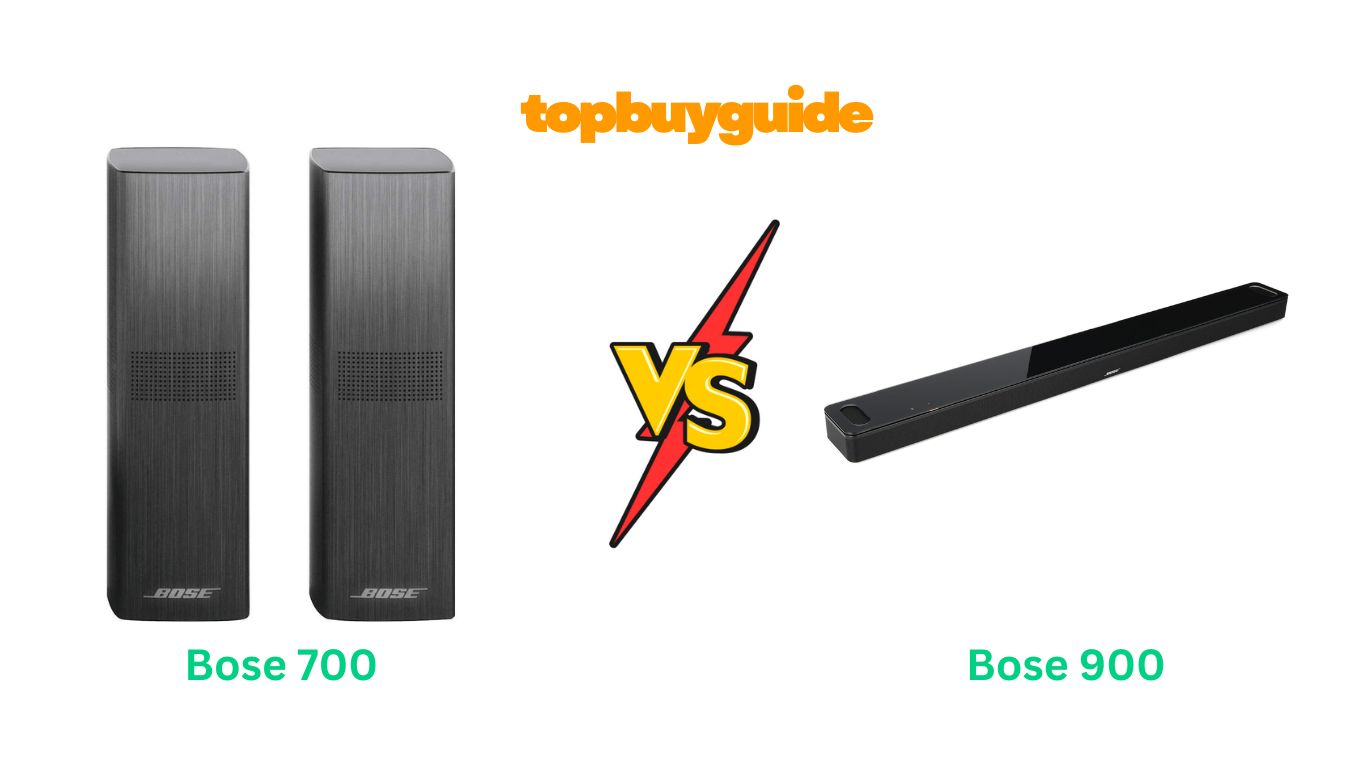
Choosing the perfect smart soundbar can feel overwhelming today. However, the superior technology in the Bose lineup makes the decision easier. We recommend the Bose Smart Soundbar 900 for serious home cinema enthusiasts. It delivers unmatched, truly three-dimensional sound, thanks to its groundbreaking Dolby Atmos integration. This advanced feature gives you an unparalleled, fully immersive listening experience at home.
Why Do I Recommend The Bose Smart Soundbar 900?
The Bose Smart Soundbar 900 represents a significant generational leap in home audio technology. It takes the outstanding features of the earlier Bose Smart Soundbar 700 and elevates them further. My recommendation for the 900 is based on several key performance and design upgrades. These enhancements make it the definitive choice for movie lovers and audiophiles alike.
1. Unmatched Three-Dimensional Sound with Dolby Atmos
The biggest difference lies in the Soundbar 900’s support for Dolby Atmos. This advanced technology allows sound designers to place specific audio objects in 3D space. As a result, you hear sound coming from above you, not just in front.
- The Bose 900 achieves this effect with its powerful upward-firing dipole transducers. These speakers reflect sound off your ceiling for realistic overhead audio. For example, a helicopter sound truly hovers above you in the room. This transforms your viewing into a cinematic, fully enveloping event.
- In contrast, the older Bose 700 does not support native Dolby Atmos content. It relies on Dolby Digital and DTS formats. While the 700 still offers spacious and high-quality sound, it lacks this crucial vertical dimension. Therefore, the 700 can only create a wide, horizontal soundstage across the front of your room.
2. Superior Speaker Array and Acoustic Performance
The internal speaker configuration of the Soundbar 900 is far more complex and capable. It is engineered to create a much deeper and wider soundstage than its predecessor.
- The Bose 900 is a 5.0.2 channel system featuring nine precisely arranged speakers. This includes the two new upward-firing speakers, significantly enhancing depth and immersion. It effectively separates dialogue, music, and effects into distinct channels. The separation makes every layer of the soundtrack clearer and more impactful.
- Conversely, the Bose 700 uses a more traditional 3.0 channel setup. While its proprietary drivers are excellent for clarity, they cannot physically reproduce overhead effects. The 700 delivers clean, powerful front-channel sound, but it remains limited to a two-dimensional presentation.
3. Advanced TrueSpace Technology for All Content
The Soundbar 900 incorporates Bose’s proprietary TrueSpace technology. This feature works alongside Dolby Atmos to enhance all content.
- When you watch older movies or standard 5.1-channel content, TrueSpace steps in. It intelligently analyzes and remixes non-Atmos signals. It adds a crucial “height” element without needing ceiling speakers. This means you gain a vertical sound dimension even when you are streaming standard programs.
- Meanwhile, the Bose 700 utilizes PhaseGuide technology to widen the soundstage horizontally. However, it lacks the TrueSpace processor to simulate overhead sound. The result is that non-Atmos content on the 700 remains fixed on a single, horizontal plane.
4. Enhanced Connectivity and Smart Features
The newer Soundbar 900 includes modern connectivity options for greater convenience. This makes it an ideal central hub for a new smart home entertainment system.
- The Bose 900 is equipped with Chromecast built-in functionality. This allows seamless streaming from a wider variety of popular mobile apps. You can also cast high-quality audio directly from your phone to the soundbar. This is a vital feature for many modern music streamers.
- On the other hand, the Bose 700 does not include Chromecast built-in. While it supports Apple AirPlay 2 and Bluetooth, its streaming versatility is more limited. This means some users may need a separate device to stream from certain apps.
5. Better Integration with the Bose Ecosystem
While both soundbars work with optional Bose Bass Modules and Surround Speakers, the 900 is engineered for seamless pairing.
- Many reviewers note the Bose 900’s improved acoustic handoff when adding components like the Bass Module 700. The entire 900 system feels more cohesive and perfectly tuned. This results in a cleaner transition between the bar and the subwoofer.
- The Bose 700 system, while still effective, can sometimes exhibit a slight gap in sound positioning. This is especially true at the far left and right edges of a large room. The 900’s superior driver arrangement eliminates these audio dead zones more effectively.
6. A More Future-Proof Investment
The Bose 900’s support for cutting-edge audio formats like Dolby Atmos makes it more future-proof.
- As more movies, games, and streaming services adopt Dolby Atmos as the standard, the 900 is ready. It allows you to immediately enjoy the most premium audio experience available today. Investing in the 900 means avoiding a replacement sooner down the line.
- The Bose 700, lacking Atmos capability, will gradually feel outdated as content evolves. While still a great speaker, its core technology is from a previous generation.
Side By Side Comparison Chart (bose 700 vs 900)
This chart focuses only on the distinct features that separate these two premium soundbars.
| Feature | Bose Smart Soundbar 700 | Bose Smart Soundbar 900 |
| Primary Immersive Audio Support | Dolby Digital, DTS (3.0 Channel) | Dolby Atmos, Dolby Digital Plus (5.0.2 Channel) |
| Vertical Sound/Height Drivers | No, Horizontal only | Yes, Two Upward-Firing Dipole Transducers |
| Channels in Speaker Array | 3.0 Channel Configuration | 5.0.2 Channel Configuration |
| Spatial Processing for Non-Atmos Content | PhaseGuide Technology only | TrueSpace Technology (Adds simulated height) |
| Additional Streaming Platform | No Chromecast Built-in | Chromecast Built-in (For wider casting options) |
| Physical Dimensions (Width) | 38.5 inches (97.8 cm) | 41.14 inches (104.5 cm) – Wider |
| Included Remote | Backlit Universal Remote | Standard Remote Control |
Common Features to Common Features Chart
What Common bose 700 vs 900 Can Do?
Both the Bose Smart Soundbar 700 and the Bose Smart Soundbar 900 share a premium lineage. They both offer a strong suite of features that define Bose’s commitment to quality. These common characteristics ensure a superior user experience, regardless of which model you select. Understanding these commonalities highlights why both are considered high-end home audio products.
Built-in Voice Assistants
Both soundbars feature integrated voice control for easy, hands-free operation. This allows you to manage your entertainment and smart home devices effortlessly. The presence of multiple voice assistants provides flexibility for all users.
The Bose Smart Soundbar 700 includes both Amazon Alexa and Google Assistant built into the unit. This powerful integration lets you use simple voice commands to control music playback. You can also adjust the volume, and even search for information online. A custom-designed, eight-microphone array ensures superior voice pickup. This array hears your commands even when the music is playing at loud volumes. The microphone array is strategically positioned to reject noise effectively. It ensures your voice is the only thing the soundbar processes.
Similarly, the Bose Smart Soundbar 900 also comes with Amazon Alexa and Google Assistant built-in. It provides the same robust voice control functionality. The noise-rejecting microphone system is also present in the 900. It guarantees clear dialogue with the assistants, regardless of the room’s noise level. The soundbar uses an elegant light bar to visually indicate when the assistant is listening or processing a command. This visual feedback adds a layer of convenience and clarity to the interaction.
ADAPTiQ Audio Calibration
ADAPTiQ is a proprietary Bose technology designed to optimize sound performance. It tailors the speaker’s output to the unique acoustic characteristics of your specific listening space. This calibration system is vital for achieving the best sound quality in any room.
The Bose Smart Soundbar 700 includes the ADAPTiQ audio room calibration system. During setup, you wear a headset that measures how sound reflects off your walls and furnishings. It analyzes the room’s size, shape, and overall environment. The soundbar then automatically adjusts its acoustic settings for optimal sound performance. This means the 700’s sound profile is perfectly customized to your living space.
The Bose Smart Soundbar 900 also features the same ADAPTiQ audio calibration system. It performs the identical function, ensuring the sound is perfectly optimized for your room. This is crucial for the 900, especially because of its upward-firing speakers. ADAPTiQ ensures the overhead audio reflections are precisely tuned to your ceiling height. This process fine-tunes the timing and equalization of every speaker driver. The goal is to provide a consistent and perfectly balanced listening experience for every user.
Wireless and Wired Connectivity Options
Both soundbars offer a comprehensive array of connections for maximum compatibility with all devices. They support both modern wireless streaming and traditional wired inputs for easy integration. This makes them versatile options for any home entertainment system setup.
The Bose Smart Soundbar 700 provides essential connectivity through Wi-Fi, Bluetooth, and Apple AirPlay 2. For wired connections, it includes both an HDMI eARC/ARC port and an optical digital input. The HDMI eARC connection is the ideal way to connect it to your TV. It allows the passage of high-quality audio with just a single cable. It also includes an Ethernet port for a secure, stable connection to your home network.
Likewise, the Bose Smart Soundbar 900 also features Wi-Fi, Bluetooth, and Apple AirPlay 2 connectivity. It uses an HDMI eARC port for uncompressed audio signals, which is necessary for Dolby Atmos. It also includes an optical input and an Ethernet port for flexibility. The strong wireless connection capabilities allow for seamless music streaming from popular services. Both bars connect easily to the Bose Music app for initial setup and system control.
Premium Design and Build Quality
Bose engineered both the 700 and 900 to be as visually stunning as they are acoustically impressive. They share a distinctive, modern aesthetic that blends seamlessly into high-end home decor. The sleek materials reflect the premium nature of both devices.
The Bose Smart Soundbar 700 features an elegant design with a tempered, scratch-resistant glass top. This premium finish is paired with a wraparound metal grille that covers the speaker drivers. The slim profile allows it to sit neatly beneath most modern televisions without obstructing the screen. It is available in Black and Arctic White color options. This sophisticated design makes it a beautiful centerpiece for your TV stand.
The Bose Smart Soundbar 900 maintains this luxurious design standard. It also features the polished, impact-resistant tempered glass top and a metal grille. While slightly wider to accommodate the extra speakers, its slim height remains consistent. The premium construction ensures that both units are durable and aesthetically pleasing. They are designed to look cohesive when paired with other optional Bose Bass Modules and Surround Speakers.
Bose SimpleSync Technology
SimpleSync is a useful feature that extends the audio from your soundbar to other compatible Bose products. This is ideal for listening to TV audio privately or expanding music into other rooms. It adds a great level of personalization to the system.
The Bose Smart Soundbar 700 uses SimpleSync to pair with select Bose headphones, such as the Noise Cancelling Headphones 700. This allows you to listen to the TV privately without disturbing others. You can even control the volume of the headphones independently from the soundbar. This is perfect for late-night viewing sessions.
The Bose Smart Soundbar 900 also includes SimpleSync technology. It offers the same ability to pair with select Bose headphones for private listening. Furthermore, SimpleSync allows you to group the soundbar with other compatible Bose smart speakers. This lets you play the same music throughout your home simultaneously. This multi-room audio capability is convenient for entertaining guests.
Common Features of bose 700 vs 900 Chart
This chart outlines the key features and technologies that both the Bose Smart Soundbar 700 and 900 share.
| Feature | Bose Smart Soundbar 700 | Bose Smart Soundbar 900 |
| Voice Assistants Built-in | Amazon Alexa & Google Assistant | Amazon Alexa & Google Assistant |
| Room Calibration System | ADAPTiQ Audio Calibration | ADAPTiQ Audio Calibration |
| Primary Wired Connection | HDMI eARC/ARC and Optical | HDMI eARC and Optical |
| Wireless Streaming | Wi-Fi, Bluetooth (4.2), Apple AirPlay 2 | Wi-Fi, Bluetooth (4.2), Apple AirPlay 2 |
| Acoustic Technology | QuietPort Technology for low distortion bass | QuietPort Technology for low distortion bass |
| Expandability | Compatible with optional Bass Modules and Surround Speakers | Compatible with optional Bass Modules and Surround Speakers |
| Design Aesthetics | Tempered glass top and metal grille | Tempered glass top and metal grille |
| Control Interface | Bose Music App and Physical Remote | Bose Music App and Physical Remote |
A Detailed Comparison Of the bose 700 vs 900
Dolby Atmos Support and Vertical Sound
The most significant difference between these two premium soundbars is their support for Dolby Atmos audio. This is the central reason for the price difference and the sound quality gap.
The Bose 700, while offering exceptional clarity and a wide soundstage, is limited to older surround sound formats like Dolby Digital and DTS. Its 3.0 channel setup produces sound that stays primarily on the horizontal plane. It cannot reproduce the verticality of modern object-based soundtracks. This means cinematic elements, such as rain or explosions, are heard in front of you instead of enveloping you.
The Bose 900’s primary selling point is its comprehensive support for Dolby Atmos. It achieves this 3D effect using two custom-engineered, upward-firing dipole transducers. These speakers precisely bounce sound off your ceiling and down to your listening position. The result is a truly immersive 5.0.2 channel experience.
Internal Speaker Configuration
The number and placement of the internal speakers are key to the sound quality of any soundbar system. A higher channel count generally indicates more directional and separated audio.
The Bose 700 features a 3.0 channel configuration utilizing five precisely angled speaker drivers. It includes a dedicated center channel driver that focuses solely on dialogue clarity. Proprietary PhaseGuide technology works with these drivers to spread sound wider than the bar’s physical size. This creates an expansive, realistic sound field across the front of your room.
Conversely, the Bose 900 steps up with a 5.0.2 channel setup, integrating nine high-performance transducers. In addition to the front-firing speakers, it includes the two upward-firing ones mentioned earlier. This complex arrangement allows the bar to not only spread sound horizontally but also add depth and height. The nine drivers work together to deliver Bose’s most realistic and spacious single-bar audio performance.
Technology for Non-Atmos Content
Most of your viewing content will still be in standard stereo or 5.1 surround sound formats. The way each soundbar handles this legacy content is a crucial part of the overall experience.
The Bose 700 employs its core acoustic technologies, PhaseGuide and QuietPort, to optimize non-Atmos content. PhaseGuide beams sound to the sides of the room for a wider field. This provides a deep, room-filling sound, making standard movies much more engaging. However, the sound still originates from a single layer on the wall.
The newer Bose 900 includes a feature called TrueSpace technology that automatically takes over for non-Atmos content. TrueSpace intelligently analyzes stereo or 5.1 signals and then upmixes them. It adds simulated height effects without needing native Atmos data. This means even old TV shows and music benefit from a larger, more three-dimensional sound experience.
Design and Physical Footprint
While both soundbars share a premium aesthetic, the 900 is slightly larger to accommodate its advanced speaker array. Size and design are important factors when placing the bar beneath a TV.
The Bose 700 measures 38.5 inches wide, making it a better fit for televisions 50 inches and smaller. Its elegant tempered glass top and metal grille are slim and sophisticated. The 700’s compact profile ensures it rarely interferes with the bottom of a TV screen or stand. It maintains a very low-profile appearance.
The Bose 900 is noticeably wider, measuring 41.14 inches across. This larger size is necessary to house the two additional upward-firing dipole transducers. While it maintains the same height and depth, its increased length suits TVs 55 inches and larger better. Its premium glass and metal build ensures it remains a stunning piece of hardware.
Included Remote Control and Control Interface
The user interaction with the system is often defined by the included remote control and app functionality. Bose provided different remote types with these two models.
The Bose 700 includes a distinctive, futuristic universal remote control. This remote is widely praised for its adaptive backlighting. It only lights up the relevant buttons for the task, whether controlling your TV or streaming. This streamlined interface makes it easy to manage your entire entertainment system.
The Bose 900, by contrast, comes with a more standard, non-universal remote control. This remote is more basic, focusing primarily on soundbar functions like volume and source. Both soundbars are primarily configured and controlled using the powerful, user-friendly Bose Music App on your smartphone.
Conclusion
For a truly future-proof and genuinely cinematic experience, you should choose the Bose Smart Soundbar 900. Its native Dolby Atmos support and 5.0.2 speaker setup are the defining features. This delivers a complete, three-dimensional sound field that the 700 cannot match. If you want overhead audio, the 900 is the clear winner for ultimate immersion. Click the Amazon link now to purchase the 900 and transform your home theater today.
FAQs
Q1: What is the main difference between the Bose 700 and 900 soundbars?
The primary difference is the support for Dolby Atmos in the Bose 900. The 900 uses two upward-firing speakers to create overhead sound effects. The older 700 model only supports traditional surround sound formats like Dolby Digital.
Q2: Does the Bose Soundbar 700 support Dolby Atmos?
No, the Bose Soundbar 700 does not natively support the Dolby Atmos format. It can process standard Dolby Digital signals, but it lacks the necessary upward-firing speaker drivers. This prevents it from creating the distinct vertical sound element of Atmos.
Q3: Which soundbar is better for music listening?
Both soundbars offer excellent audio fidelity and clarity for music. However, the Bose 900 can utilize its TrueSpace technology to add a more open and spacious feel to stereo music. This gives music on the 900 a slightly more expansive and richer quality.
Q4: Are the Bose 700 and 900 compatible with the same optional bass module?
Yes, both the Bose Smart Soundbar 700 and the newer 900 model are compatible with the optional Bose Bass Module 700. They also work wirelessly with the Bose Surround Speakers. This allows you to build a complete 5.1 or 7.1.2 home theater system.
Q5: Is the Bose Soundbar 900 too wide for smaller TVs?
The Bose Soundbar 900 is 41.14 inches wide. It is specifically designed to visually match 55-inch televisions or larger. While it will function perfectly with smaller TVs, the 38.5-inch Bose 700 may look more proportionally balanced in smaller setups.
Q6: Do both soundbars have built-in voice assistants?
Yes, both the Bose Smart Soundbar 700 and the 900 come with Amazon Alexa and Google Assistant integrated. They feature a multi-microphone array to ensure your voice commands are clearly heard. This enables hands-free control of your soundbar and other smart devices.
Q7: What is Bose TrueSpace technology on the 900?
TrueSpace technology is an exclusive feature of the Bose 900. It is designed to enhance non-Dolby Atmos content, such as 5.1 or stereo sources. It digitally remixes these signals to add a height dimension. This creates a virtual 3D sound experience from any content.
Q8: Does the Bose 900 include a universal remote like the 700?
No, the Bose 900 includes a standard remote control for basic functions. The Bose 700, on the other hand, comes with the more advanced universal remote. This remote features adaptive backlighting and can control other home entertainment components.

Alex Turner is a dedicated product researcher and reviewer at TopBuyGuide.com, known for his clear, honest, and data-driven insights. He spends countless hours testing, comparing, and analyzing products to help readers make confident and informed buying decisions.