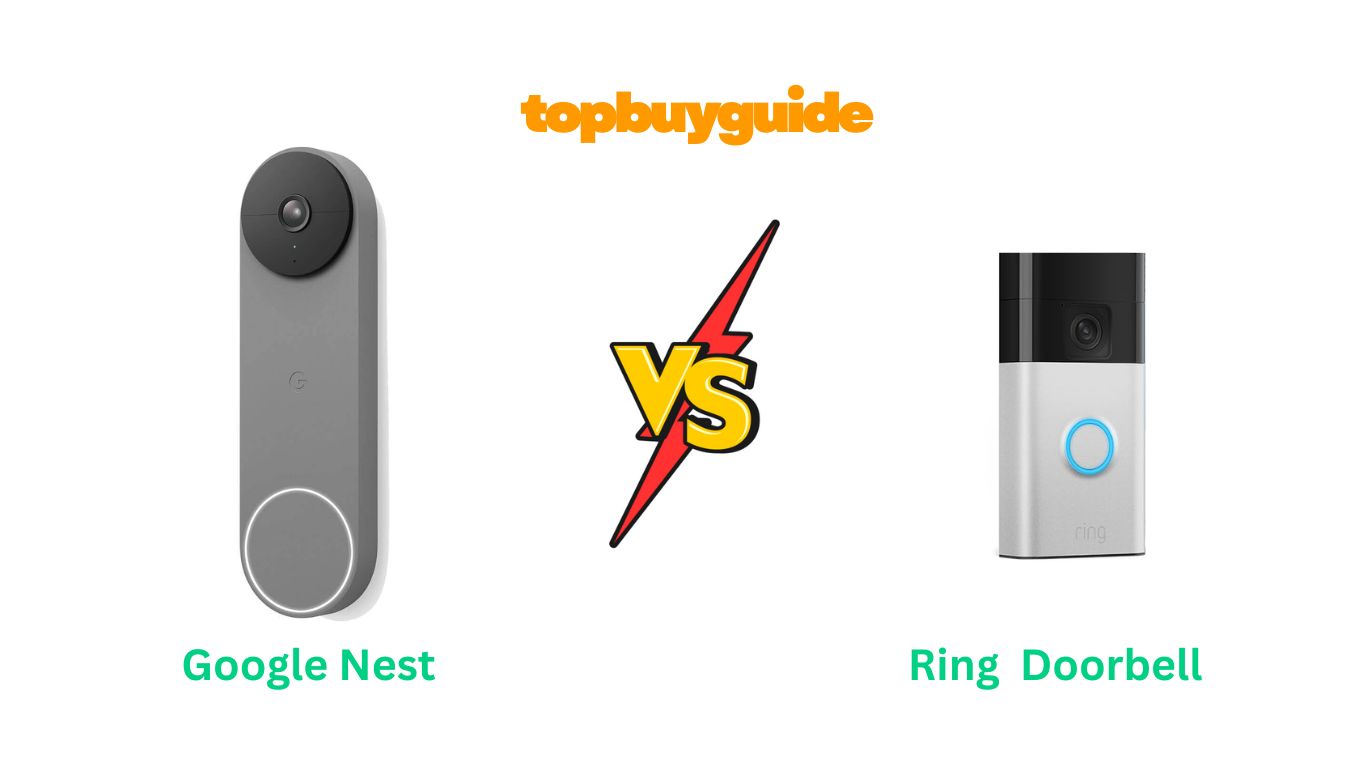
Choosing between Google Nest and Ring doorbells determines your home security approach. I recommend the Google Nest Doorbell (Battery) for value-conscious buyers. Its 3 hours of free event recording eliminates mandatory subscriptions entirely. The vertical 3:4 aspect ratio captures head-to-toe footage perfectly. At $179.99, it costs less while requiring no monthly fees for core features.
Why Do I Recommend The Google Nest Doorbell (Battery)?
The Google Nest Doorbell delivers comprehensive security features without forcing you into perpetual subscription payments.
- Genuinely Free Core Features – The Nest Doorbell includes 3 hours of free event video history with person, package, animal, and vehicle detection built-in. These AI-powered alerts work without any subscription whatsoever. Conversely, the Ring Battery Doorbell requires Ring Protect ($5/month minimum) for video recording, person detection, and package alerts. Over five years, Ring’s subscription costs $300 extra.
- Superior Vertical Field of View – Google’s 145-degree diagonal view uses a vertical 3:4 aspect ratio showing people head-to-toe and packages on the ground simultaneously. The unique perspective captures more relevant doorstep activity. While Ring offers 150×150 head-to-toe coverage, Google’s vertical orientation maximizes useful footage. The design philosophy prioritizes practical security over specifications.
- On-Device Machine Learning – The Nest Doorbell processes AI detection locally on the device using sophisticated machine learning algorithms. This ensures fast alerts without cloud processing delays. Ring relies more heavily on cloud processing for advanced features. The on-device intelligence makes Nest notifications remarkably quick and accurate.
- Larger Battery Capacity – Google’s 6,000mAh battery provides approximately 2.5-6 months between charges depending on activity levels. The substantial capacity reduces maintenance frequency significantly. Ring’s battery life varies but generally requires more frequent charging. The difference impacts convenience for busy homeowners who forget regular charging.
- HDR and Night Vision Quality – The Nest Doorbell’s HDR (High Dynamic Range) technology handles challenging lighting conditions beautifully. You can identify faces even with bright backlighting. Night vision extends up to 10 feet with four 850nm infrared LEDs providing excellent clarity. Ring offers color night vision requiring ambient light which works inconsistently.
- Google Assistant Integration – Seamless integration with Google Home ecosystem enables announcements through Nest speakers and video streaming on Nest Hubs. The cross-device compatibility creates comprehensive home monitoring. While Ring integrates with Alexa excellently, Google’s ecosystem feels more cohesive for Android users. Platform preference heavily influences doorbell satisfaction.
- Lower Total Cost of Ownership – At $179.99 with no required subscription, the Nest Doorbell costs less long-term than Ring. Ring’s $99.99 doorbell seems cheaper initially but requires minimum $60/year subscriptions making it $279.99 after three years. The five-year cost difference reaches $460 ($479.99 Nest vs $939.99 Ring). Budget-conscious buyers appreciate transparent pricing.
- Sustainable Design – Google constructed the Nest Doorbell with 45% recycled plastic content demonstrating environmental responsibility. The eco-friendly materials don’t compromise durability or weather resistance. Ring’s environmental initiatives exist but Google’s commitment to sustainability stands out. Environmentally conscious consumers value this consideration.
Side By Side Comparison Chart Google Nest vs Ring
| Feature | Google Nest Doorbell (Battery) | Ring Battery Doorbell Plus |
| Price | $179.99 | $149.99 |
| Video Resolution | 960 x 1280 (3:4 vertical) | 1536p (1536 x 1536 square) |
| Field of View | 145° diagonal | 150° x 150° head-to-toe |
| Aspect Ratio | 3:4 vertical | 1:1 square |
| Battery Capacity | 6,000mAh | Not specified (quick-release) |
| Battery Life | 2.5-6 months | 2-3 months typical |
| Free Event History | 3 hours | None |
| Subscription Cost | $8/month or $80/year (optional) | $5/month or $50/year (required for recording) |
| AI Detection (Free) | Person, Package, Animal, Vehicle | None without subscription |
| Person Detection | Free (built-in) | Requires subscription |
| Package Detection | Free (built-in) | Requires subscription |
| Familiar Face Detection | Requires Nest Aware | Not available |
| Color Night Vision | No (IR only) | Yes |
| HDR Support | Yes | Yes |
| Two-Way Audio | Yes with noise cancellation | Yes with noise cancellation |
| Local Storage | No | No |
| Installation | Battery or wired | Battery or wired |
| Quick Release Battery | No (integrated) | Yes (removable) |
| Ecosystem | Google Home | Alexa/Ring |
| Voice Assistant | Google Assistant | Alexa |
| Pre-Recorded Responses | Yes | Yes (Quick Replies) |
| Warranty | 1-year limited | 1-year limited |
| Recycled Content | 45% recycled plastic | Not specified |
| Dimensions | 6.3 x 1.8 x 0.95 inches | Similar size |
What Common Google Nest vs Ring Can Do?
Both video doorbells share fundamental security capabilities protecting homes through smart monitoring and two-way communication features.
Motion-Activated Video Recording – Both the Google Nest and Ring doorbells automatically record video when motion triggers their sensors. Customizable motion zones let you specify which areas trigger recordings, preventing false alerts from sidewalk traffic. The motion detection sensitivity adjusts through companion apps. Both devices send instant smartphone notifications when motion activates. The recording quality depends on your internet connection speed and WiFi signal strength.
Two-Way Audio Communication – Both doorbells feature built-in speakers and microphones enabling real-time conversations with visitors. Noise cancellation technology filters background sounds for clearer communication. You can speak with delivery drivers, guests, or unexpected visitors from anywhere. The audio quality remains clear even in windy conditions. Both support pre-recorded quick reply messages when you’re unavailable to respond live.
High-Definition Video Quality – Both devices record HD video capturing faces and details clearly. The cameras function effectively in various weather conditions including rain and snow. Wide-angle lenses ensure comprehensive doorstep coverage without blind spots. The video streams to your smartphone app in real-time. Both doorbells include night vision capabilities for 24/7 monitoring regardless of lighting conditions.
Smartphone App Integration – Both doorbells require companion smartphone apps for setup, configuration, and video monitoring. The apps provide live view access letting you check your front door anytime. Push notifications alert you instantly when someone presses the doorbell or triggers motion. The apps store video history for later review. Both iOS and Android platforms support full functionality.
Battery and Wired Power Options – Both doorbells offer flexible power options accommodating different home configurations. Battery operation enables installation anywhere without existing doorbell wiring. Hardwired installation connects to existing doorbell systems for continuous charging. The batteries recharge using included USB cables. Both options maintain full functionality regardless of power source choice.
Weather-Resistant Construction – Both doorbells feature weatherproof housings withstanding rain, snow, heat, and cold conditions. The temperature operating ranges ensure year-round reliability. Durable materials resist fading, cracking, and deterioration from sun exposure. The devices mount securely to various surfaces including wood, brick, and stucco. Both manufacturers design specifically for outdoor installation durability.
Privacy Features – Both doorbells include privacy controls respecting user and neighbor privacy concerns. Privacy zones block recording in specific areas like neighbor windows or public sidewalks. Physical or digital indicators show when cameras are actively recording. You can temporarily disable recording when desired. Both companies encrypt video data protecting against unauthorized access attempts.
Smart Home Integration – Both doorbells integrate with their respective smart home ecosystems enabling automation and cross-device functionality. The Nest works seamlessly with Google Home devices while Ring pairs perfectly with Alexa. Voice commands control video viewing on compatible smart displays. Integration enables automated routines triggered by doorbell events. Both expand smart home capabilities significantly beyond standalone operation.
Common Features of Google Nest vs Ring
| Feature | Google Nest Doorbell | Ring Battery Doorbell |
| Motion Detection | Yes | Yes |
| Customizable Motion Zones | Yes | Yes |
| Privacy Zones | Yes | Yes |
| Two-Way Audio | Yes | Yes |
| Noise Cancellation | Yes | Yes |
| HD Video | Yes (960×1280) | Yes (1536p) |
| Night Vision | Yes (IR) | Yes (Color) |
| HDR | Yes | Yes |
| Battery Powered | Yes | Yes |
| Wired Option | Yes | Yes |
| Smartphone App | Yes (Google Home) | Yes (Ring) |
| iOS Support | Yes | Yes |
| Android Support | Yes | Yes |
| Live View | Yes | Yes |
| Pre-Recorded Messages | Yes | Yes |
| Weather Resistant | Yes | Yes |
| Doorbell Button | Yes | Yes |
| Push Notifications | Yes | Yes |
| Video Playback | Yes | Yes |
| Smart Home Integration | Google Home | Alexa |
| Voice Assistant Compatible | Google Assistant | Alexa |
| Installation Tools Included | Yes | Yes |
A Detailed Comparison Of the Google Nest vs Ring
Video Quality and Resolution
The Ring Battery Doorbell Plus delivers sharper 1536p square video providing excellent detail for face identification. The higher resolution captures fine details like clothing patterns and vehicle license plates clearly. The 1:1 aspect ratio creates square footage ideal for smartphone viewing. The image quality impresses during daytime recording with vibrant colors and sharp edges.
The Google Nest Doorbell records 960 x 1280 resolution which technically falls slightly below full HD standards. However, the vertical 3:4 aspect ratio maximizes useful doorstep coverage showing people head-to-toe and ground-level packages simultaneously. The resolution proves adequate for identifying visitors and monitoring deliveries. HDR technology compensates for resolution limitations by improving contrast and detail visibility.
Field of View and Coverage Area
The Ring Battery Doorbell offers 150-degree horizontal and 150-degree vertical head-to-toe coverage. The expansive square field of view captures wide areas including adjacent yard spaces. You can see packages on the ground and tall visitors’ faces in the same frame. The comprehensive coverage reduces blind spots significantly.
The Google Nest Doorbell provides 145-degree diagonal field of view oriented vertically. The narrower horizontal coverage focuses specifically on doorstep activity rather than adjacent areas. The vertical orientation prioritizes seeing full-body visitors and ground deliveries over wide surveillance. The focused approach captures exactly what matters most at front doors.
Subscription Requirements and Costs
The Ring Battery Doorbell requires Ring Protect subscription ($5/month or $50/year minimum) for essential features. Without subscription, you can only view live feeds but cannot record, save, or share video clips. Person and package detection alerts require subscription activation. Video history storage, advanced notifications, and warranty extensions all hide behind the paywall.
The Google Nest Doorbell includes 3 hours of free event video history with full AI detection capabilities. Person, package, animal, and vehicle alerts work without any subscription whatsoever. The free tier proves genuinely useful for basic security needs. Nest Aware subscription ($8/month or $80/year) extends history to 30 days and adds familiar face detection. The optional nature makes budgeting transparent.
AI Detection and Smart Alerts
The Ring Battery Doorbell’s person and package detection requires Ring Protect subscription. The AI accurately identifies humans versus vehicles and animals when enabled. Package alerts notify you specifically when deliveries arrive. However, the features become inaccessible without ongoing subscription payments. The detection accuracy improves over time through machine learning.
The Google Nest Doorbell processes AI detection locally on-device using sophisticated algorithms. Person, package, animal, and vehicle detection work immediately without subscriptions. The on-device processing ensures fast alerts without cloud latency. The detection accuracy rivals competitors despite being free. The included intelligence represents significant value compared to subscription-dependent alternatives.
Battery Life and Charging
The Ring Battery Doorbell features quick-release battery packs enabling fast battery swaps. You can purchase spare batteries maintaining continuous operation while charging. The battery life typically lasts 2-3 months with moderate use. The removable design prevents complete device dismounting for charging. However, extra batteries cost additional money.
The Google Nest Doorbell includes integrated 6,000mAh battery lasting 2.5-6 months between charges. The substantial capacity reduces charging frequency significantly. The integrated design requires removing the entire doorbell for charging using the included USB-C cable. While less convenient than battery swaps, the longer life mitigates this inconvenience. Temperature affects battery performance on both devices.
Night Vision Technology
The Ring Battery Doorbell Plus offers color night vision leveraging ambient light sources. Streetlights, porch lights, or landscape lighting enable color footage after dark. The color capability helps identify vehicle colors and clothing details at night. However, performance depends entirely on available ambient lighting. Complete darkness defaults to standard infrared mode.
The Google Nest Doorbell uses traditional infrared night vision with four 850nm LEDs. The IR illumination extends up to 10 feet providing consistent monochrome footage regardless of ambient lighting. The technology works reliably in complete darkness unlike color night vision. While lacking color information, the IR approach guarantees visibility under all conditions.
Smart Home Ecosystem Integration
The Ring Battery Doorbell integrates seamlessly with Alexa-powered devices including Echo speakers and Fire TV. Voice commands view doorbell footage on Echo Show displays. Alexa routines trigger actions based on doorbell events. The Ring ecosystem includes complementary security cameras, alarm systems, and smart lighting. Amazon’s integration feels cohesive for existing Alexa users.
The Google Nest Doorbell pairs perfectly with Google Home speakers, Nest Hubs, and Chromecast devices. Google Assistant announces visitors through connected speakers. Video streams automatically on Nest Hub displays when someone rings. The integration extends to YouTube TV and other Google services. Android users especially appreciate the seamless ecosystem connectivity.
Installation Flexibility and Options
The Ring Battery Doorbell includes comprehensive installation hardware accommodating various mounting surfaces. The quick-release mounting bracket enables easy device removal for charging or maintenance. Optional angle wedges adjust camera perspective for unique installations. The wired installation option connects to existing doorbell systems utilizing their transformers. Professional installation services remain available for hesitant DIYers.
The Google Nest Doorbell provides necessary mounting hardware plus a 20-degree wedge for angled installation. The battery-powered design suits renters unable to drill into permanent structures. Wired installation connects to existing doorbell wiring when available. The installation process takes approximately 15 minutes for most users. Google offers professional installation services through partnerships.
Privacy and Data Security
The Ring Battery Doorbell encrypts video during transmission and storage protecting against interception. Privacy zones block sensitive areas from recording. Amazon faced past controversies regarding law enforcement access to user footage without consent. The company has since strengthened privacy policies and transparency. Users maintain control over footage sharing decisions.
The Google Nest Doorbell uses TLS/SSL encryption with 128-bit AES protecting video data. Two-factor authentication secures account access. Google stores footage on cloud servers raising privacy questions for some users. The company does not allow end-to-end encryption disappointing privacy advocates. However, Google’s privacy policies provide transparency about data usage and retention.
Long-Term Value Proposition
The Ring Battery Doorbell costs $149.99 initially seeming affordable. However, mandatory Ring Protect subscription ($60/year minimum) makes the five-year cost $449.99. The subscription dependency creates perpetual expenses. Users commit to ongoing payments indefinitely. For multi-camera homes, Ring Protect Plus ($100/year) covers all devices improving per-camera value.
The Google Nest Doorbell costs $179.99 with no required subscriptions. The five-year ownership cost remains $179.99 for fully functional security. Optional Nest Aware ($80/year) extends features but isn’t mandatory. The transparent pricing eliminates surprise expenses. Budget-conscious buyers appreciate knowing exact costs upfront. The value proposition favors Google significantly for single-doorbell households.
Conclusion
The Google Nest Doorbell (Battery) delivers superior value for most homeowners. Its 3 hours of free event storage with complete AI detection eliminates subscription requirements entirely. The vertical 3:4 aspect ratio captures head-to-toe footage perfectly for doorstep monitoring. At $179.99 with no hidden costs, it costs $270 less than Ring over five years. The 6,000mAh battery lasts up to six months between charges. [Check current pricing on Amazon]
FAQs
Q: Can I use Ring doorbell without paying monthly fees?
A: Yes, but functionality becomes extremely limited. Without Ring Protect subscription, you can only view live feeds when notifications arrive. You cannot record, save, or review any video footage. Person and package detection alerts don’t work. The free tier proves mostly useless compared to Nest’s comprehensive free features.
Q: Which doorbell has better video quality?
A: Ring’s 1536p resolution technically provides sharper images than Nest’s 960 x 1280 resolution. However, Nest’s HDR technology and vertical aspect ratio capture more useful doorstep information. For identifying faces and packages, both perform excellently. Resolution differences matter less than intelligent framing and lighting handling.
Q: Does Google Nest require subscription for recording?
A: No, Nest includes 3 hours of free event video history with person, package, animal, and vehicle detection. This genuinely works without any subscription. Nest Aware subscription ($8/month) extends history to 30 days and adds familiar face detection, but basic recording remains free forever.
Q: Which doorbell battery lasts longer?
A: Google’s 6,000mAh battery typically lasts 2.5-6 months depending on activity levels and settings. Ring’s battery life varies but generally requires charging every 2-3 months. However, Ring’s quick-release battery enables faster swaps. Nest’s longer life compensates for the less convenient integrated charging requirement.
Q: Can I use both doorbells with any smartphone?
A: Yes, both Google Nest and Ring support iOS and Android smartphones fully. Installation and operation work identically across platforms. However, Google Nest integrates better with Android ecosystem while Ring pairs excellently with Fire tablets and Alexa devices. Platform preference influences overall satisfaction significantly.
Q: Which doorbell works better at night?
A: Ring’s color night vision captures color footage when ambient lighting exists, helping identify details. However, it fails in complete darkness. Nest’s infrared night vision works consistently regardless of lighting conditions. For reliable 24/7 monitoring, Nest’s traditional IR approach proves more dependable than Ring’s ambient-dependent color system.
Q: Do these doorbells work during power outages?
A: Both battery-powered doorbells continue functioning during power outages since they don’t depend on home electricity. However, WiFi connectivity typically fails during outages preventing remote monitoring. Nest stores up to 1 hour of footage locally during outages, uploading when connectivity restores. This backup feature provides valuable event preservation.
Q: Which company offers better customer support?
A: Both companies provide comprehensive customer support through phone, chat, and email channels. Ring benefits from Amazon’s extensive customer service infrastructure and resources. Google offers detailed online documentation and community forums. Support quality varies by individual experience. Both honor one-year warranties with theft replacement guarantees.

Alex Turner is a dedicated product researcher and reviewer at TopBuyGuide.com, known for his clear, honest, and data-driven insights. He spends countless hours testing, comparing, and analyzing products to help readers make confident and informed buying decisions.